



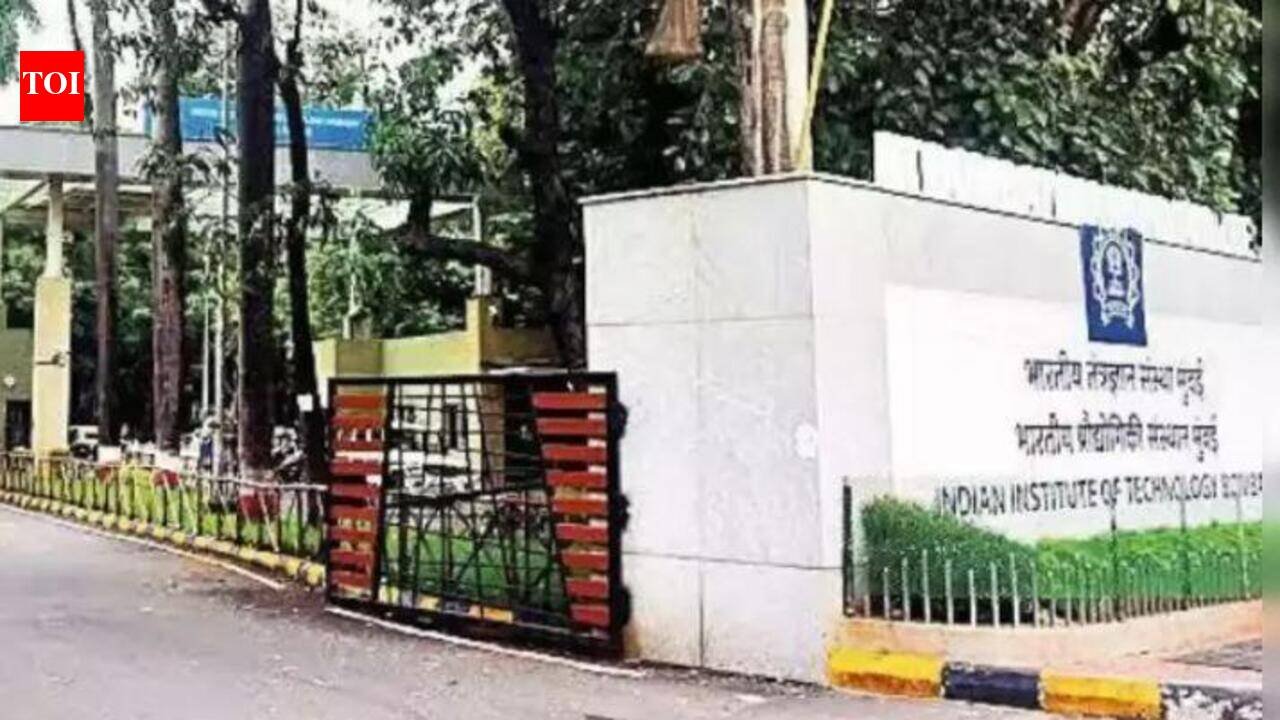
Mumbai: Only about 11% of the faculty at IIT-Bombay belong to the reserved categories. Data obtained from IIT-B, in reply to an RTI plea filed by All India OBC Students’ Association earlier this month, revealed that of the 775 filled posts, only 84 are held by teachers from the SC, ST, OBC and EWS categories. This shows a significant under-representation of reserved-category communities among IIT-B faculty, while a large number of students belong to these categories, said student groups. Of the total 1,225 sanctioned teaching posts, 450 are vacant at the institute.Representation at the entry-level assistant professor rank is relatively higher than that at professor level. The same is true for several other centrally funded technological institutions. Student groups have raised concerns that the lack of adequate representation among faculty could allegedly also affect the mentorship and support available to students from the communities. Additionally, with only professors making it to the decision-making bodies, representation remains poor there too.IIT-Bombay officials did not comment on the RTI data.The debate over caste discrimination at the country’s leading technical institutes has resurfaced after allegations by parents of 20-year-old BTech student Sahil Wakode, who died by suicide on Sept 18. Hours before his death, he was allegedly found using a phone in his exam. Wakode’s father filed an FIR alleging caste-based discrimination at the institute.A student said despite the Mission Mode Recruitment drive launched by Centre in 2021 to clear the backlog of vacant posts in reserved categories, the numbers have not gone up significantly.Gowd Kiran Kumar, national president, All India OBC Students Association, who filed the RTI for activism and for academic research purposes, said the institutions cannot deny caste discrimination, as it prevails on their campuses and is evident by the RTI responses. “When we have hundreds of PhDs from IITs, NITs and from abroad from the marginalised communities, what is stopping the institutions from hiring them?” he asked.Kiran added all Indian campuses have certified university and institute-level mechanisms for grievances such as the SC and ST cell and equal opportunities cell, etc. “There is also the academic council, executive council in universities and the IIT council. Since very few members from the marginalised section are at professor level, they do not make it to these decision-making bodies. We need representation from various sections in these councils to check any kind of discrimination. Currently, empathy and compassion are missing due to lack of representation from SC, ST and OBCs,” he said.A professor from one of the IITs said that a management professor did not make it to IIT despite having credentials stronger than full-time professors’.
