



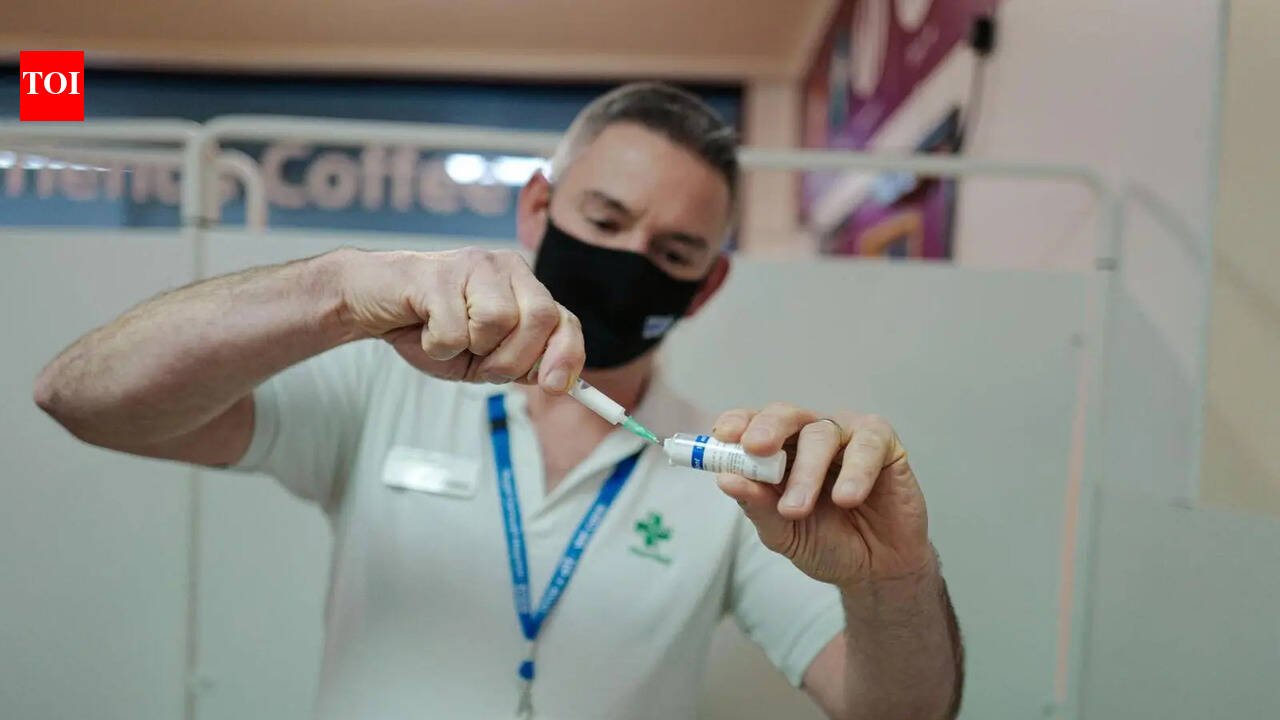
Around one million young people across the UK will be offered a meningitis B (MenB) vaccine under a major new NHS programme launched in response to a series of outbreaks that have claimed lives and raised concerns among health officials.The one-off vaccination campaign will target Year 13 students and young people under 25 who are due to start university or residential further education this autumn. Health authorities say the move is designed to protect those most at risk as they prepare to enter environments where the disease can spread more easily through close contact.The announcement follows a number of MenB outbreaks this year, including a major cluster in Kent that became the largest and fastest-growing outbreak of its kind recorded in the UK. The outbreak resulted in two deaths and more than 20 confirmed cases, while additional clusters have since been reported in areas including Reading and Dorset.
UK’s Meningitis B vaccinations
The government’s decision follows health experts identifying an increased risk of MenB infections among older teenagers and young adults, particularly those moving into university halls, shared accommodation and other residential settings.Close social contact is known to increase the risk of meningococcal disease transmission, making first-year university students one of the most vulnerable groups. According to the UK Health Security Agency (UKHSA), the risk of MenB infection among first-year university students is substantially higher than among young people who do not attend university.Health Secretary James Murray said recent outbreaks may indicate a change in how the disease is affecting young people. He said the government was acting immediately to protect those at highest risk while reviewing longer-term evidence.
Eligibility for the MenB vaccine
Under the programme, all Year 13 pupils in England, along with young people under 25 starting university or residential further education for the first time this autumn, will be eligible.The offer will include international students under 25 beginning their studies in the UK. Eligible students will receive two doses of the MenB vaccine, known as Bexsero, manufactured by GSK. The doses must be administered at least 28 days apart to provide full protection.The first vaccinations will begin from 20 July, with second doses scheduled for August. Students who are away during the summer holidays will still be able to receive their second dose in September. Eligible young people will be contacted through the NHS App, text messages, emails or letters, while others may be able to book appointments directly through participating pharmacies.
Meningitis B cases across UK
Meningitis B is caused by meningococcal group B bacteria and can lead to life-threatening illnesses including meningitis (inflammation of the protective membranes around the brain and spinal cord) and septicaemia (a severe blood infection that can develop into sepsis).Symptoms can develop rapidly and may include fever, severe headache, vomiting, drowsiness, sensitivity to light, breathing difficulties and a distinctive rash that does not fade under pressure. Even with treatment, the disease can cause permanent disability, neurological damage or death.Although the UK has routinely vaccinated babies against MenB since 2015, most teenagers and young adults were too old to receive the jab as part of the childhood programme, leaving a large population without direct protection against the strain.The vaccination programme follows intense scrutiny of the UK’s MenB strategy after the outbreak centred on Kent earlier this year.Health officials described the Kent cluster as unprecedented because of the speed at which cases emerged. More than 20 infections were linked to the outbreak, while two young people died after contracting the disease. The outbreak prompted emergency vaccination campaigns, antibiotic distribution and calls from affected families for wider access to the MenB vaccine.One of those who died was 18-year-old Juliette Kenny, whose family later campaigned for broader vaccination coverage for teenagers and young adults. The outbreak also prompted renewed questions about whether MenB vaccination should become part of the routine adolescent immunisation programme.Further MenB clusters have since been recorded in Dorset and Reading, reinforcing concerns among public health officials that young adults may face increased risks from the disease.
Looking ahead
The new rollout is currently a one-off emergency programme rather than a permanent expansion of NHS vaccination schedules.However, the Joint Committee on Vaccination and Immunisation (JCVI) is reviewing the latest evidence and is expected to advise ministers on whether a broader, long-term MenB vaccination programme for teenagers should be introduced.For now, health officials are urging eligible students to come forward for both doses before the start of the academic year, warning that early protection could help prevent further outbreaks when meningococcal disease typically peaks during the autumn months.


