



Gurgaon: MCG has decided to outsource the operation and maintenance of the city’s water supply network across multiple wards for the next two years. The contracts, covering the running, repairing and maintaining of boosting stations, tubewells, rising mains, distribution pipelines and other allied water supply infrastructure across wards, is estimated to be Rs 38 crore.MCG officials said the move is aimed at streamlining maintenance work and promptly addressing routine complaints related to water supply infrastructure. “We have now decided to bring uniformity and float tenders for the operation and maintenance of water supply networks across the city for two years. Earlier these used to be short-term tenders. The objective is to ensure that routine complaints related to water supply networks are addressed promptly,” said executive engineer Sandeep Sihag, who heads division 4A and B covering ward numbers from 19 to 26.The works have been divided across multiple wards. Maintenance of water supply network in wards 11, 14, 15 and 18 has been estimated at Rs 9.3 crore, while wards 1, 12 and 13 account for another Rs 7.9 crore.Works in wards 9, 10, 16 and 17 are estimated at Rs 6.9 crore while wards 20, 21 and 22 under division 4A will see maintenance work amounting to Rs 5.9 crore. Another Rs 3.8 crore covers the maintenance of boosting stations and water supply systems under division 3B for the financial years 2026-28. In addition, wards 24, 25 and 26 have been clubbed under a Rs 3.6 crore maintenance contract.While residents welcomed the move to issue longer contracts, they said lack of manpower deployed by agencies is responsible for gaps in maintenance work.
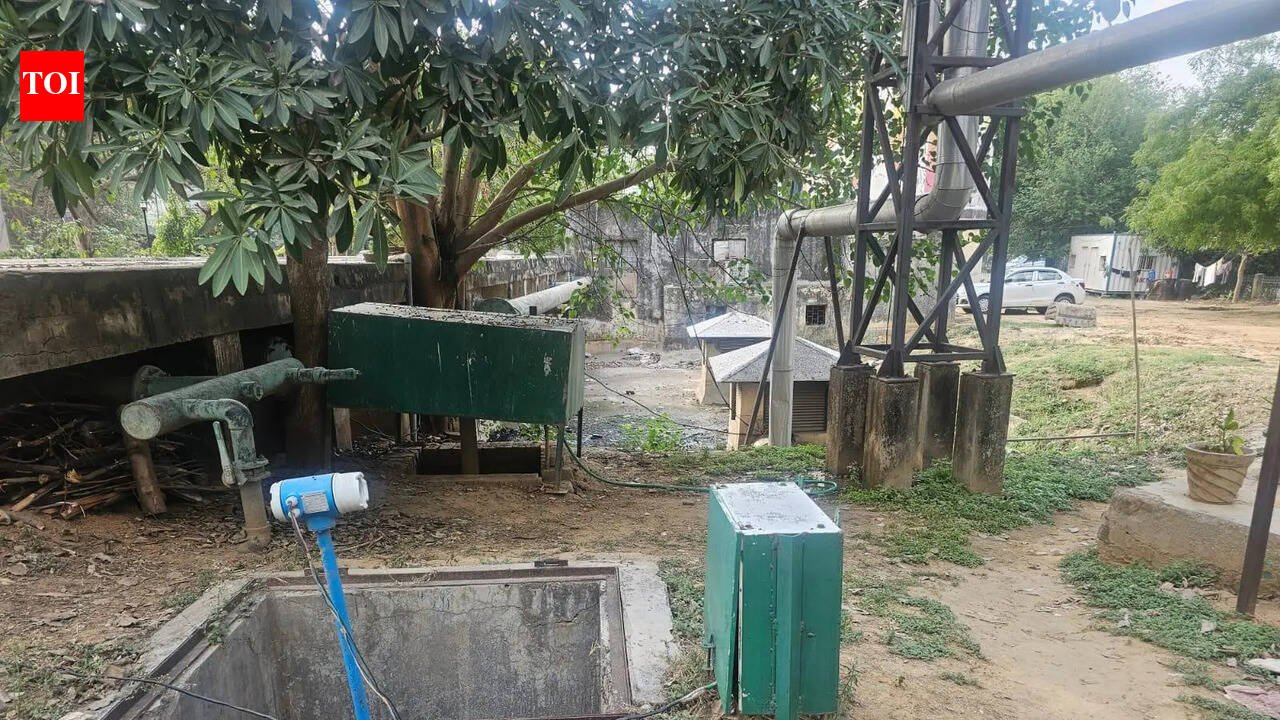
The agencies will be responsible for running, repairing and maintaining boosting stations, tubewells, rising mains, distribution pipelines and other allied water supply infrastructure
“If MCG has now decided to float tenders for two years, it is certainly a positive step. However, it must ensure the agencies hired have adequate manpower. When machinery or motors at any of our four boosting stations become faulty, the agency often takes days to repair them,” said Pawan Yadav, president of the Sushant Lok 2 and 3 residents’ welfare association.Delays often occur because a single worker is tasked with handling multiple facilities or boosting stations, he said.“Typically, they deploy only one person to handle all the boosting stations. That person repairs one motor or piece of machinery first and then moves on to the others, which delays the process. Since this work is time-sensitive, such delays cause significant inconvenience,” Yadav said.Residents have also questioned whether the penalty clauses in the contracts are strong enough to hold agencies accountable for delays.“A major concern is the condition mentioned in the new contracts. If MCG issues a notice to an agency asking them to respond within 15 days for failing to repair machinery at boosting stations or to fix leakages in water pipelines, the contractor may simply complete the repair on the 14th day, effectively rendering the notice meaningless,” said Lalit Suraj Bhola, a resident of Sector 9A.


