


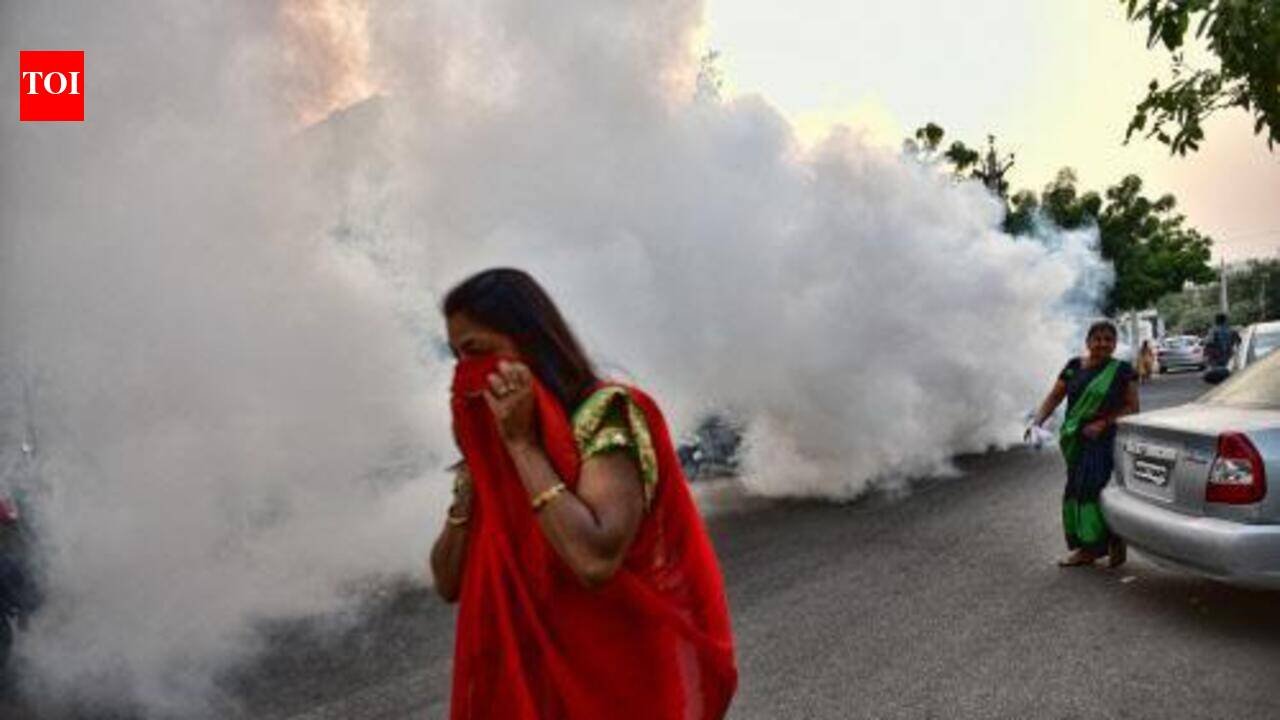
Ludhiana: In a bid to reduce recurring expenditure on mosquito control and improve the efficiency of fogging operations, the municipal corporation (MC) is working on an integrated vector management programme.Under the initiative, the MC plans to adopt water-based fogging instead of the diesel-based system currently in use. The switch is expected to help the civic body save more than Rs 1 crore annually, as it spends a substantial amount on conventional fogging.Apart from the high cost, the existing system has frequently drawn criticism over inadequate coverage and ineffective mosquito control. Councillors across party lines, as well as residents, have raised concerns over the fogging process and schedule.Under the proposed arrangement, the MC plans to hire a private firm that will be responsible for carrying out fogging in designated areas. This will reduce the civic body’s dependence on its own resources for routine fogging operations.According to an official, the firm will identify mosquito breeding hotspots and determine the type of medicine required based on the mosquito species found. The firm will also study population dynamics and environmental factors contributing to vector proliferation. In addition, it will conduct public awareness campaigns.Besides offering a cost-effective alternative to the conventional diesel-based fogging system, the move is expected to ensure more systematic and regular coverage of residential areas and other mosquito-prone locations.At present, the MC incurs expenditure on diesel, manpower, maintenance and operation of fogging machines. These recurring costs have remained a concern, particularly as residents continue to complain about the mosquito menace and demand more effective fogging in their localities. The civic body spends more than Rs 8 crore annually on fogging and related activities. The new scheme is expected to reduce this expenditure to around Rs 7 crore.MC commissioner Ojasvi Alankar said, “We are working on the vector management programme, and officials will send the proposal to the govt for vetting. Once we get clearance, we will move ahead. Next year, we can bring about a transformation in the fogging process and management of vector-borne diseases. Ludhiana will be the first MC to implement this new programme.”Box 1: Current Fogging Expenditure–Diesel for fogging vehicles–Manpower costs–Maintenance of fogging machines–Operational expensesMC spends over Rs 8 crore annually on fogging and related mosquito-control measures. The new system is expected to reduce annual expenditure to around Rs 7 croreBox 2: Agency’s Role Under New Programme–Conduct water-based fogging in designated areas–Identify mosquito breeding hotspots–Determine the appropriate insecticides/medicines based on mosquito species–Study mosquito population dynamics–Assess environmental factors contributing to vector growth–Ensure systematic and regular coverage of vulnerable areas–Run public awareness campaigns on mosquito control and prevention–Support monitoring and management of vector-borne diseases across the city
