






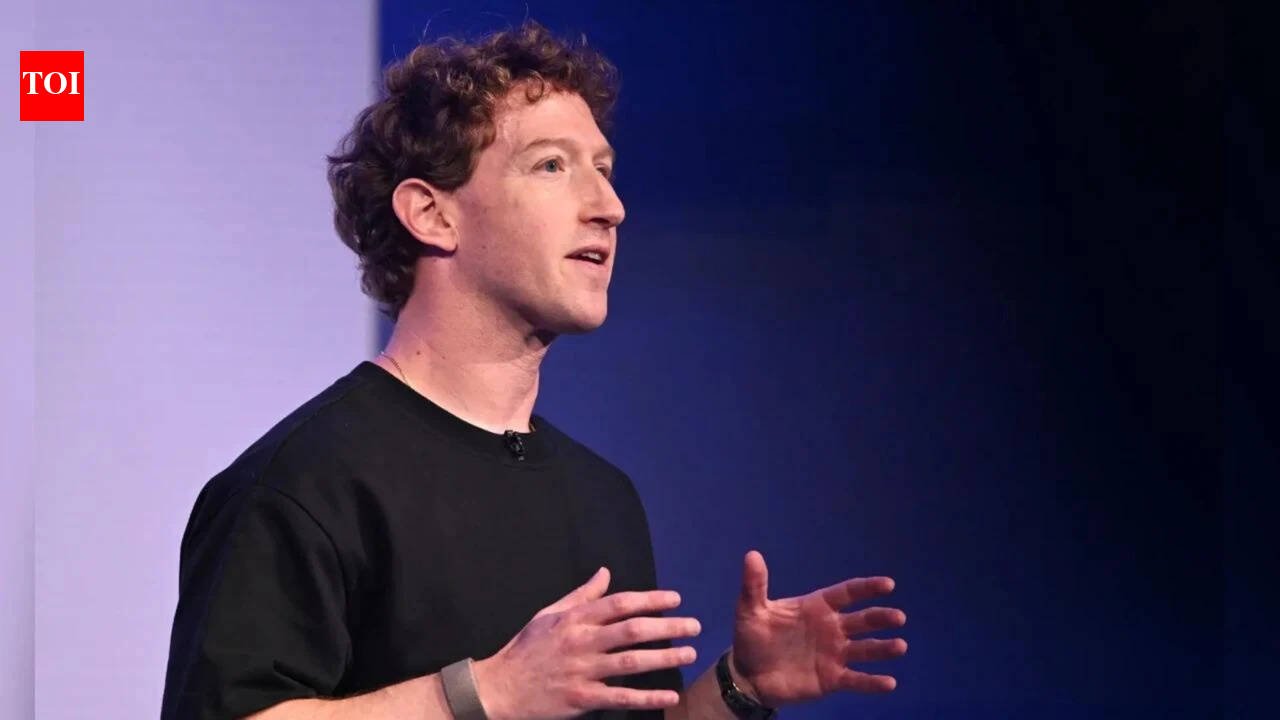
Meta CEO Mark Zuckerberg has acknowledged that the technology industry is deeply divided over how to regulate artificial intelligence. In a new post titled “The Future Is for Everyone”, Zuckerberg said that while some labs, including OpenAI and Anthropic, are calling for slower progress until safety measures catch up, his view is that alignment and trust are becoming the most important differentiators for AI agents.
‘Your Agents, Your Responsibility’: Mark Zuckerberg
Zuckerberg emphasised that labs have a natural incentive to ensure their AI agents are aligned with users, warning rivals that misaligned systems will quickly lose trust. “People won’t want to use agents that don’t do what they ask,” he wrote, adding that liability risks also push companies to prevent harm. He pointed to Meta’s decision to delay shipping its Muse model for several months to strengthen safety and security, saying: “We didn’t call for everyone else to do this before we would. We just did it because it was clearly the right thing.”
Independent oversight and compute allocation
Zuckerberg argued that engaging independent evaluators should be industry best practice, noting that Meta already works with external advisors. He also highlighted Meta’s commitment to dedicating the majority of its compute power to serving people rather than racing toward recursive self-improvement, framing this as a safer path for AI development.
Read Mark Zuckerberg’s complete post here
Last month I wrote about how we can build a positive and safe future for everyone: Every lab has the responsibility and incentive to move at the pace required to train its models safely, and the ability to take its own actions to ensure that happens.The reality is:– People won’t want to use agents that are misaligned with them and that don’t do what they ask, so labs have a strong natural incentive to make their models more aligned.There is a lot of debate about slowing progress on capabilities until alignment catches up. My view is that trust and alignment are quickly becoming the most important capabilities that will differentiate agents and models. Any lab that doesn’t focus on alignment will fall behind.– Labs face significant liability if their models cause harm, so they have a strong incentive to prevent this as well.Meta delayed shipping Muse for several months to focus on safety and security. We didn’t call for everyone else to do this before we would. We just did it as part of our day-to-day work because it was clearly the right thing for people and for us. I’m proud of the security foundations we’ve built.– Engaging independent evaluators and advisors is industry best practice. MSL already does this today in several areas because it helps produce better work. Other labs can just do this too. In general, it would be helpful for there to be a larger and more diverse ecosystem of evaluators.– Committing the significant majority of compute towards serving people rather than racing towards recursive self-improvement is one of the best ways to ensure we develop this technology safely. Meta has made this commitment and other labs can do this as well.I believe the key to building a positive future for everyone is maintaining the right balance of power. This is within our power to do.


