



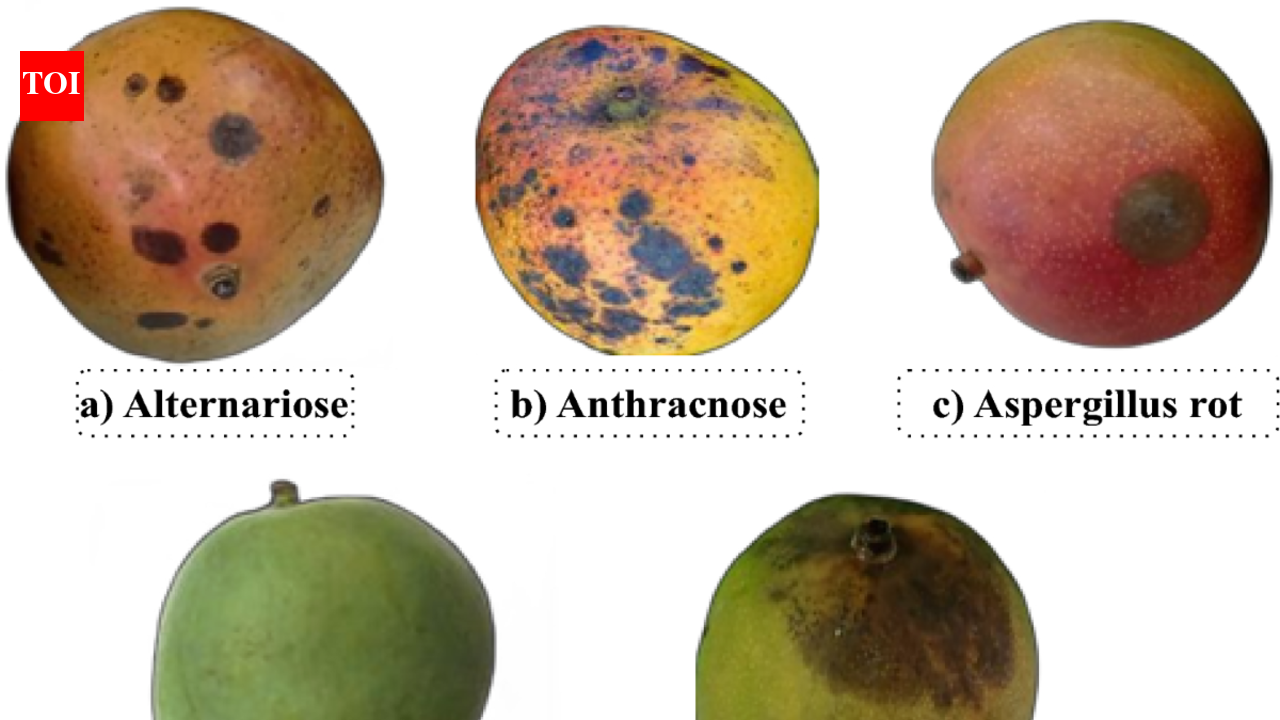
It can be very demotivating for you to see the Mango fruits appear healthy at first and then begin to develop black spots as you approach harvesting time. This phenomenon does not just have an effect on the overall appeal of the product; it also impacts its qualitative value. But fear not, because the good news is that there is a way to solve this common problem among growers. It is possible to save your fruits from discoloration using simple methods. And when you learn how mangoes change color, you will realise how to stop this process from occurring.
Why do Mangoes turn black on the tree
Among other causes, one of the key factors causing blackened mangoes is the fungus attack, which results in various plant diseases such as anthracnose. Based on the study conducted by the Indian Council of Agricultural Research (ICAR), Colletotrichum gloeosporioides, Alternaria alternata and Capnodium mangiferae have been established as “one of the most serious diseases of mango affecting leaves, flowers and fruits,” which results in the occurrence of sunken black spots on the fruit surface.As mentioned above, the presence of these fungi in high humidity increases their chances of growing and thriving. It should be emphasised that high humidity is typical during the flowering and fruit formation stages.Another cause of blackened mangoes is sap burn. In case a fruit is picked up or gets any kind of injury, the released sap causes its dark appearance. As indicated by agricultural scientists, “improper handling of fruits during growth or harvest can result in skin discolouration and reduced quality.”
Essential steps to protect Mango quality
Fortunately, timely interventions can prevent many of the aforementioned issues.
- First, the affected trees must be monitored regularly: Infected fruits and leaves should be pruned off to prevent the spread of the infection.
- It is recommended to spray the crops to prevent diseases: As stated in ICAR guidelines, the right use of fungicides during specific developmental stages of fruit-bearing trees will significantly help to reduce the incidence of disease and improve fruit quality.
- Appropriate spacing between the tree’s branches is also crucial: Pruning will promote airflow and ensure adequate sun exposure, thus preventing fungus growth.
- Proper watering of fruit-bearing trees is another important practice to adopt: In case of excessive water, high humidity conditions will lead to the rapid growth of pathogens. On the contrary, balanced irrigation will foster fruit ripening.
- Finally, care must be taken during harvesting: It is essential not to injure the fruits while picking.
How better care can give you double the produce
However, healthy and spot-free mangoes always attract higher market prices. Consumers tend to be attracted to fresh-looking produce. Just a little black spot on a fruit can lower its market price considerably.Enhancement of produce quality positively affects profitability. According to the Food and Agriculture Organisation (FAO), “improved practices can increase market value and decrease losses substantially’ as stated in their ‘Mango Post-harvest Operations.’Moreover, good quality fruits in terms of colour and being disease-free increase the chances of meeting export requirements. Thus, such products will bring even higher income due to larger markets.In other words, prevention of mangoes’ blackening is more than just saving the produce; it can ensure the maximum possible benefits. Proper actions at the right time can result in considerable profits for your farm.


