


Last Updated:
Lord Shiva manifested in the form of Lingam around midnight on Maha Shivaratri. Many devotees remain awake, offering prayers, hoping to receive spiritual grace during this hour
Many devotees also believe that Shivratri is the night when the divine wedding of Lord Shiva and Goddess Parvati took place.
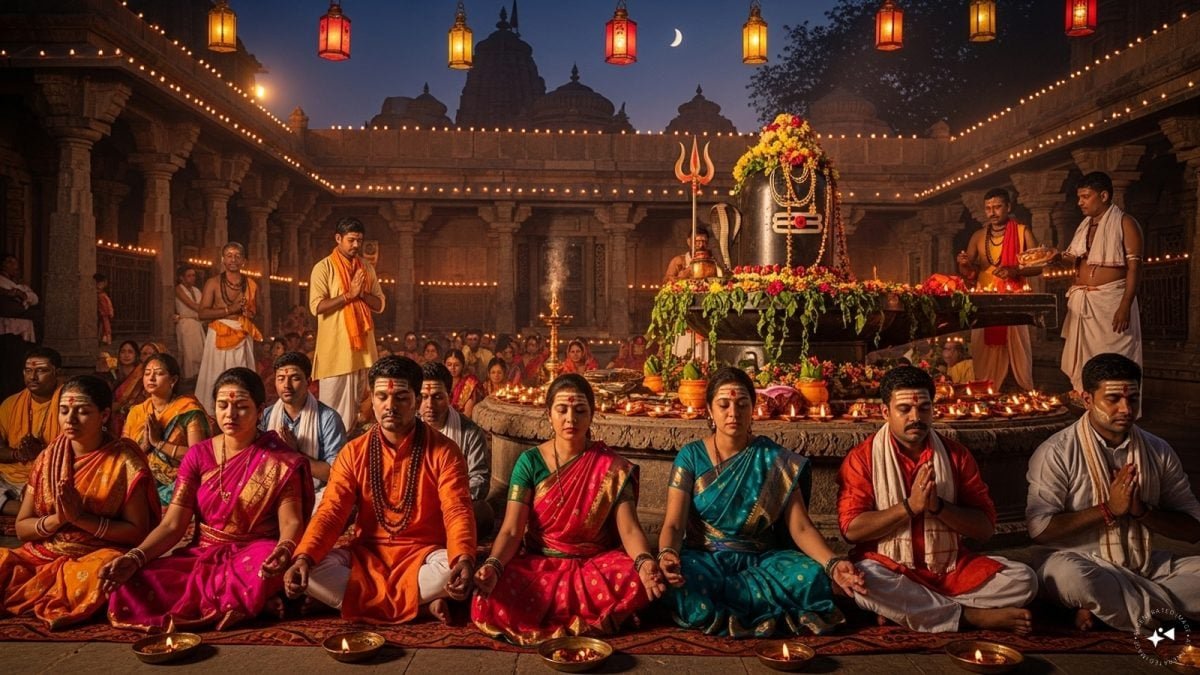
Maha Shivaratri, celebrated across the country, sees devotees observing a fast, offering prayers, and staying awake through the night. Jagran brings spiritual merit and blessings. In Hindu tradition, Maha Shivaratri holds immense religious importance and is observed on the Chaturdashi (14th day) of the lunar month of Magha.
When people think of Shivaratri, the first ritual that comes to mind is the all-night vigil. According to belief, the essence of the festival lies in the night itself. Special abhishekas (ritual bathing of the Shiva Lingam) and prayers are performed after sunset. Many devotees also believe that this is the night when the divine wedding of Lord Shiva and Goddess Parvati took place, which is why symbolic wedding ceremonies are organised in temples late at night.
The Spiritual Meaning Behind Jagran
Staying awake on Maha Shivaratri is not merely a ritual but carries symbolic meaning. Priests and scholars explain that the tradition traces back to mythology. According to temple priest Rajini Kumar from the Kashi Vishweshwara Temple in Warangal, when Lord Shiva consumed the deadly poison Halahala to save the universe, the gods stayed awake throughout the night to keep him conscious and protect him. Devotees observe Jagran each year in remembrance of this act.
Another belief states that Lord Shiva manifested in the form of a divine Lingam around midnight on Maha Shivaratri. Many devotees, therefore, remain awake, chanting hymns and prayers, hoping to receive spiritual grace during this auspicious hour.
Fasting And Night-Long Worship
On Maha Shivaratri, devotees typically observe a day-long fast, refraining from regular meals and snacks. Many choose to consume only fruits and water. The night is spent in prayer, chanting “Om Namah Shivaya,” visiting temples, and participating in devotional singing. Worship often continues until before sunrise the following morning.
Religious scholars also note that Jagran is associated with discipline and mindfulness. Staying awake in devotion is believed to purify thoughts and strengthen spiritual focus. Some even associate the practice with health benefits linked to fasting and meditation, though the primary emphasis remains spiritual.
How Devotees Are Advised To Observe The Vigil
Those observing Jagran are encouraged to maintain purity of mind and body, beginning the day with ritual cleansing before prayers. Devotional activities such as reading the Shiva Purana, listening to bhajans, or watching spiritual discourses are recommended. Priests advise against spending the night on entertainment such as television shows or excessive mobile phone use, as the essence of the vigil lies in spiritual reflection rather than distraction.
The belief among devotees is that sincere prayer, fasting, and remembrance of Lord Shiva on Maha Shivaratri invite divine blessings and inner peace. Whether through temple rituals or quiet meditation at home, the night is seen as an opportunity to reconnect with faith and mindfulness, making Jagran not just a tradition, but a deeply personal spiritual experience.
Warangal, India, India
February 13, 2026, 15:20 IST
When people think of Shivaratri, the first ritual that comes to mind is the all-night vigil. According to belief, the essence of the festival lies in the night itself. Special abhishekas (ritual bathing of the Shiva Lingam) and prayers are performed after sunset. Many devotees also believe that this is the night when the divine wedding of Lord Shiva and Goddess Parvati took place, which is why symbolic wedding ceremonies are organised in temples late at night.
The Spiritual Meaning Behind Jagran
Staying awake on Maha Shivaratri is not merely a ritual but carries symbolic meaning. Priests and scholars explain that the tradition traces back to mythology. According to temple priest Rajini Kumar from the Kashi Vishweshwara Temple in Warangal, when Lord Shiva consumed the deadly poison Halahala to save the universe, the gods stayed awake throughout the night to keep him conscious and protect him. Devotees observe Jagran each year in remembrance of this act.
Another belief states that Lord Shiva manifested in the form of a divine Lingam around midnight on Maha Shivaratri. Many devotees, therefore, remain awake, chanting hymns and prayers, hoping to receive spiritual grace during this auspicious hour.
Fasting And Night-Long Worship
On Maha Shivaratri, devotees typically observe a day-long fast, refraining from regular meals and snacks. Many choose to consume only fruits and water. The night is spent in prayer, chanting “Om Namah Shivaya,” visiting temples, and participating in devotional singing. Worship often continues until before sunrise the following morning.
Religious scholars also note that Jagran is associated with discipline and mindfulness. Staying awake in devotion is believed to purify thoughts and strengthen spiritual focus. Some even associate the practice with health benefits linked to fasting and meditation, though the primary emphasis remains spiritual.
How Devotees Are Advised To Observe The Vigil
Those observing Jagran are encouraged to maintain purity of mind and body, beginning the day with ritual cleansing before prayers. Devotional activities such as reading the Shiva Purana, listening to bhajans, or watching spiritual discourses are recommended. Priests advise against spending the night on entertainment such as television shows or excessive mobile phone use, as the essence of the vigil lies in spiritual reflection rather than distraction.
The belief among devotees is that sincere prayer, fasting, and remembrance of Lord Shiva on Maha Shivaratri invite divine blessings and inner peace. Whether through temple rituals or quiet meditation at home, the night is seen as an opportunity to reconnect with faith and mindfulness, making Jagran not just a tradition, but a deeply personal spiritual experience.
Stay Ahead, Read Faster
Scan the QR code to download the News18 app and enjoy a seamless news experience anytime, anywhere.


