



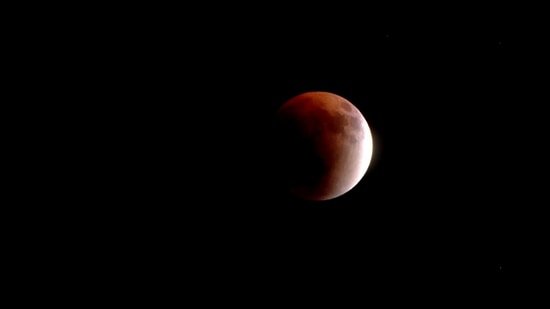
Lunar Eclipse 2026: Get ready to look up at the sky this March! The first total lunar eclipse of 2026, also called Chandra Grahan, is set to light up the evening of March 3, and the best part is, it will be visible across most parts of India if the skies stay clear. A lunar eclipse happens when the Earth slips directly between the Sun and the Moon, casting its shadow on the lunar surface. As the shadow slowly moves across, the Moon begins to darken.
During a total lunar eclipse, it can even turn a deep reddish shade, a dramatic sight often called a “Blood Moon.” While eclipses occur a few times each year somewhere in the world, not all are visible from India. That’s what makes this one extra exciting for skywatchers here. (Also read: Holika Dahan 2026: Is it on March 2 or 3? Know correct date, shubh muhurat, Purnima tithi and all about the festival )
Lunar Eclipse timings in India (IST)
According to data shared by Time and Date, the key phases are expected at the following times:
- Penumbral phase begins: 4:58 pm
- Total eclipse begins: 4:58 pm
- Total eclipse ends: 5:32 pm
- Penumbral phase ends: 7:53 pm
In most parts of India, the Moon will rise while the eclipse is already underway. As a result, many viewers may only catch the latter portion of the event. The best time to look toward the sky will be around sunset. As the Moon appears on the eastern horizon, it may look dimmer than usual or carry a faint reddish tint. In several cities, the visible window could last only about 20 minutes.
Cities likely to witness the full eclipse
While most regions will see only a partial phase at moonrise, parts of Northeast India are expected to have a clearer and more complete view of the total eclipse. These include:
- Dibrugarh, Assam
- Dispur, Assam
- Guwahati, Assam
- Itanagar, Arunachal Pradesh
- Shillong, Meghalaya
In these cities, the maximum phase of the eclipse is likely between approximately 5:10 pm and 5:25 pm IST, depending on the exact location.
How to watch
Viewing a lunar eclipse is completely safe and requires no protective eyewear. Simply step outdoors around sunset and look toward the eastern sky. Choose an open space free from tall buildings or trees that could obstruct your view. If the skies are clear, you should be able to observe the gradual shift in the Moon’s brightness and colour. Binoculars can enhance the experience, but they are not essential.
For many across India, the eclipse may be brief, but it promises to be a rare and beautiful spectacle. Sometimes, all it takes is a few quiet moments under the open sky to witness something truly remarkable.


