






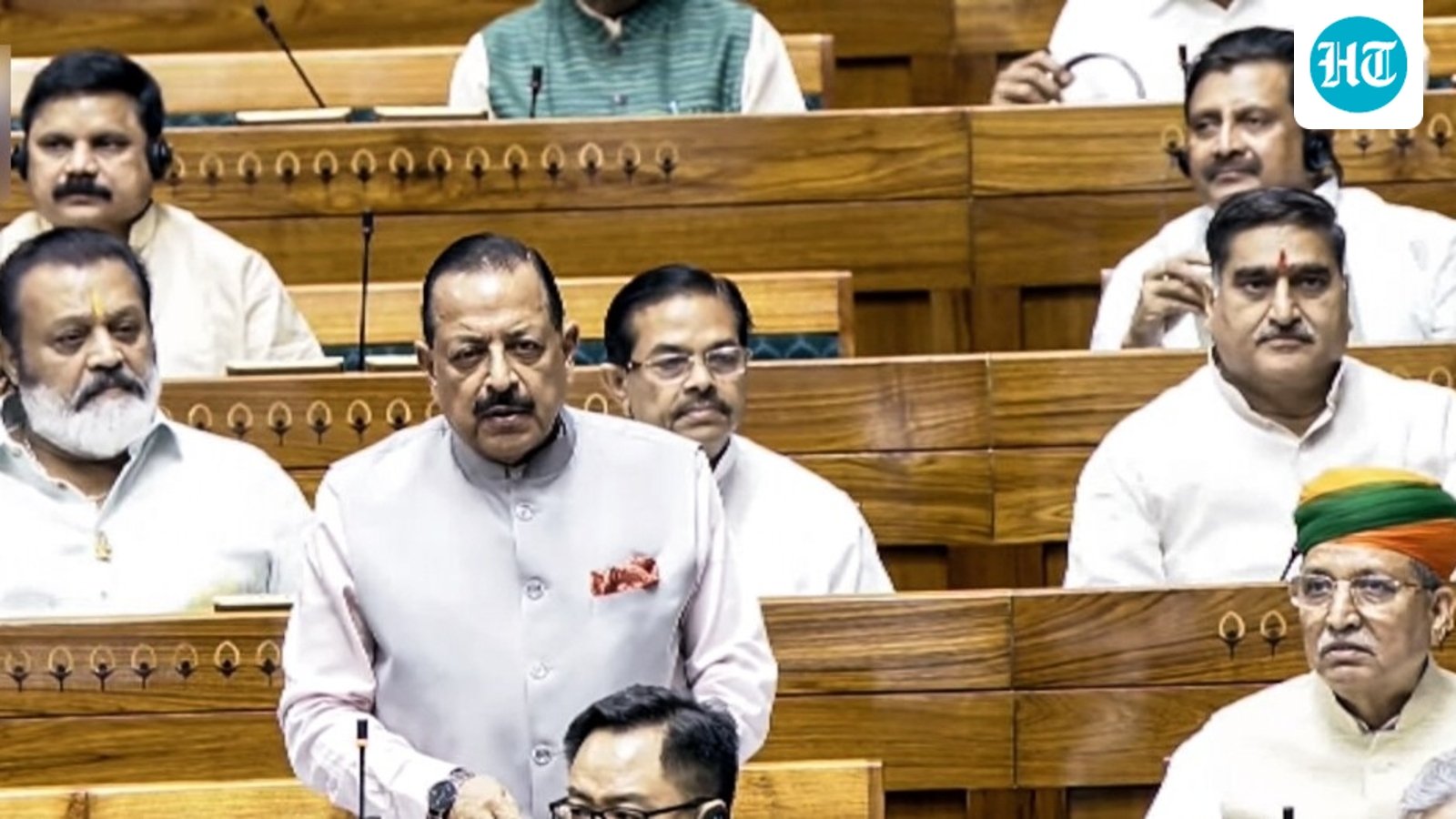
The Lok Sabha on Wednesday passed the Public Examinations (Prevention of Unfair Means) Amendment Bill, 2026 by voice vote, clearing the path towards a law that steeply raises penalties for exam paper leaks in the wake of the NEET-UG controversy that forced Dharmendra Pradhan’s resignation as education minister last week.

The bill now goes to the Rajya Sabha, as it will need to clear the Upper House before going to President Droupadi Murmu for assent. This will amend the original 2024 law.
Piloting the bill, Union minister of state Jitendra Singh said the amendment showed the government was open to “learning from experience”.
The debate itself turned heated on Tuesday, when parliamentary affairs minister Kiren Rijiju objected to remarks by Leader of Opposition Rahul Gandhi targeting Union home minister Amit Shah over police action at the Cockroach Janta Party march in Delhi on July 20. This prompted LS speaker Om Birla to ask Gandhi to confine himself to the bill; the House was adjourned multiple times over the exchange.
PM Narendra Modi had originally announced the amendment bill as major step towards exam reforms, but it failed to assuage the Cockroach Janta Party and the Congress as they separately pressed for the minister’s resignation that came day after that.
What changes
The amendments strengthen the Public Examinations (Prevention of Unfair Means) Act of 2024, which had already made every offence under it cognisable, non-bailable and non-compoundable, while keeping candidates themselves outside its scope. The basics do not change. Timelines and punishments become stricter.
- For individuals convicted of using unfair means, the minimum jail term rises from three to five years, the maximum from five to 10 years, and the fine ceiling from ₹10 lakh to ₹50 lakh.
- Service providers hired to conduct exams face a fine of up to ₹5 crore, against ₹1 crore earlier, along with an eight-year debarment from examination work, up from four years, if they are found guilty. For “organised”, coordinated attempts to compromise an exam, the minimum sentence moves from five to seven years, with fines going up to ₹10 crore.
- Two new provisions, Sections 12A and 12B, put firm timelines on the process for the first time. Investigations must now be completed within two months of a case being referred by the Centre, whether handled by a central agency or by a newly created Special Task Force route. Every state and UT must set up a designated Fast Track Court, in consultation with the high court concerned, to try these cases on a day-to-day basis, with trials to conclude within three months of the chargesheet being filed. Appeals will go to at least two-judge HC benches, expected to be disposed of within three months of admission “as far as possible”.
The bill’s Objects and Reasons sections explain the changes as necessary “to facilitate speedy trial and ensure time-bound investigations”.


