



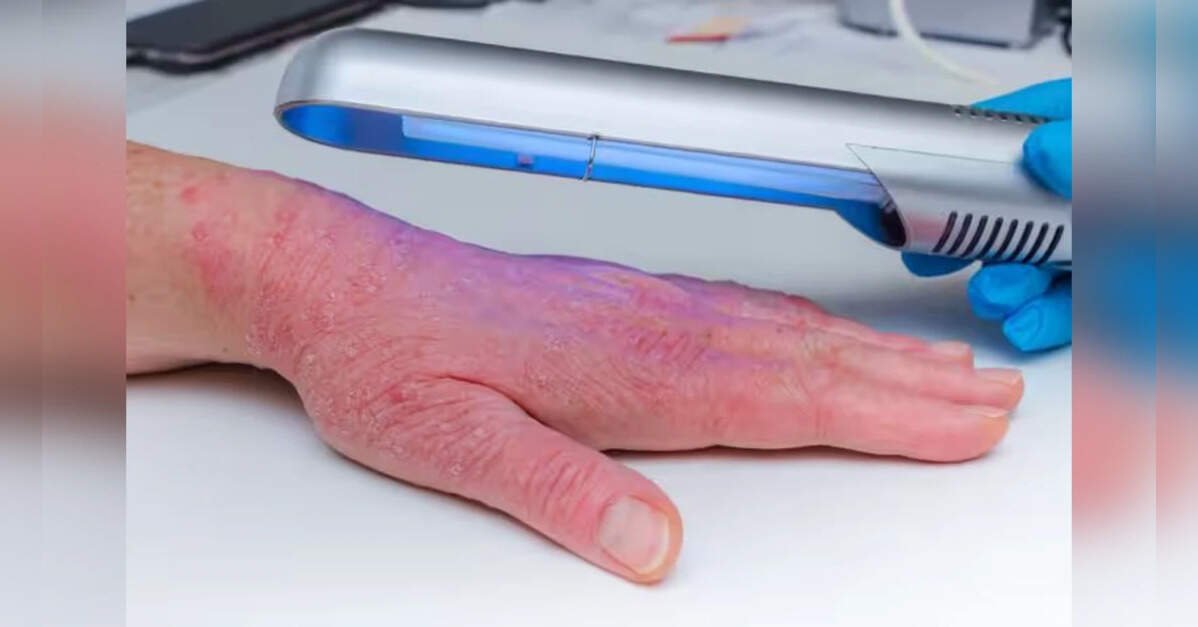
Dehradun: A treatment using red and near-infrared light to promote healing and reduce inflammation could emerge as a useful addition to conventional medical care, experts said at a scientific meeting in Dehradun. Photobiomodulation therapy (PBM) uses specific wavelengths of light to stimulate cellular activity involved in tissue repair without burning or damaging tissue.
Experts discussed the therapy during a press interaction titled “The Future of Healing with Light-Advancing Photobiomodulation Therapy (PBM) in India” on Monday, highlighting ongoing research into its use in wound healing, pain management and post-surgical recovery.
Dr Praveen R Arany, a visiting Fulbright-Nehru scholar and guest lecturer at the event, said PBM used controlled light to influence cellular activity and could help regulate pain, inflammation and tissue repair. Research has also indicated that the treatment may activate a protein called TGF-β1, which plays a role in wound healing, tissue repair and the body’s immune response.
Studies are also examining whether PBM could help cancer patients manage some treatment-related side effects, besides supporting dental care, post-surgical recovery and management of muscle and joint pain. Dr Nitish Kamboj, founder of Luxmi Dental Laser & Implant Center and Yald Wellness Center, said PBM could serve as a supportive treatment rather than replace conventional medical care. “The treatment is used in oral healthcare, post-surgical recovery and musculoskeletal pain management under clinical supervision,” he said.
Experts said wider adoption of PBM would require further clinical trials to establish standardised treatment protocols and demonstrate reproducible results. Light therapy is already used in some consumer products, including LED face masks for skin conditions and acne, but experts said further research was required to establish the benefits of different wavelengths and their medical applications.
PBM was discovered by Hungarian physician Endre Mester in 1967 while he was studying whether lasers could cause cancer in mice. During the research, Mester found that exposure to a low-powered ruby laser appeared to accelerate hair growth and wound healing.
