



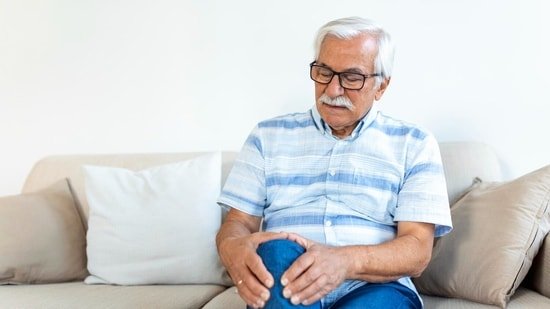
Leg pain is common among older adults because ageing typically affects the joints and leads to wear and tear. This can make everyday activities like walking, climbing stairs or standing for long periods more difficult. However, besides ageing, there may also be other underlying conditions responsible for the pain. As mobility declines, independence can also be affected. But, with the right mix of low-impact exercises, older adults can continue to stay active, mobile and independent.
HT Lifestyle connected with Dr Gagan Tiwari, MD at Kailash Health Village, who shared insights on leg pain and explained that it may not arise from a single cause but from multiple medical conditions, including osteoarthritis, sarcopenia, venous insufficiency, and impaired blood flow due to Peripheral Artery Disease (PAD)
This suggests that several age-related health issues cause leg pain. But structured low-impact exercises can help older adults stay independent while preserving their physical abilities.
Low-impact aerobic exercises for mobility
The doctor recommended aerobic exercises because they are beneficial in many ways, including better blood circulation, increased body flexibility, and improved performance. Here are the three types of exercises:
1. Walking
“Walking ranks as the safest exercise because it helps people maintain their heart health and mental well-being through its simple execution,” Dr Tiwari revealed the benefits of walking, hailing it as the safest for the elderly. It is easy and low-risk.
2. Water-based exercises
The second type the doctor suggested was water-based exercises. He elaborated, “Water-based exercises such as swimming and water aerobics provide low-stress movement options because of buoyancy, which allows for complete muscle conditioning.” So activities like these minimise the risk of injury or overexertion. They improve strength gently.
3. Chair yoga
The physician also advised doing chair yoga, as it helps to stretch and improve flexibility, enhancing joint health. Besides chair yoga, even everyday activities like gardening offer both physical and mental benefits.
Strength training
Dr Tiwari recommended strength training. You might think strength training is too intense for older adults, but it actually helps preserve muscle strength, bone density, and joint stability. He advised two to three weekly sessions of progressive resistance exercises, including sit-to-stand exercises (chair squats), calf raises, seated leg extensions, and side leg raises, as these also improve balance and coordination while reducing risk of falls.
Warning signs
The physician urged older adults to seek medical care if they experience persistent symptoms such as pain, swelling, discolouration, or numbness, as these may require testing to rule out Peripheral Artery Disease (PAD) and deep vein thrombosis.
Note to readers: This article is for informational purposes only and not a substitute for professional medical advice. Always seek the advice of your doctor with any questions about a medical condition.


