



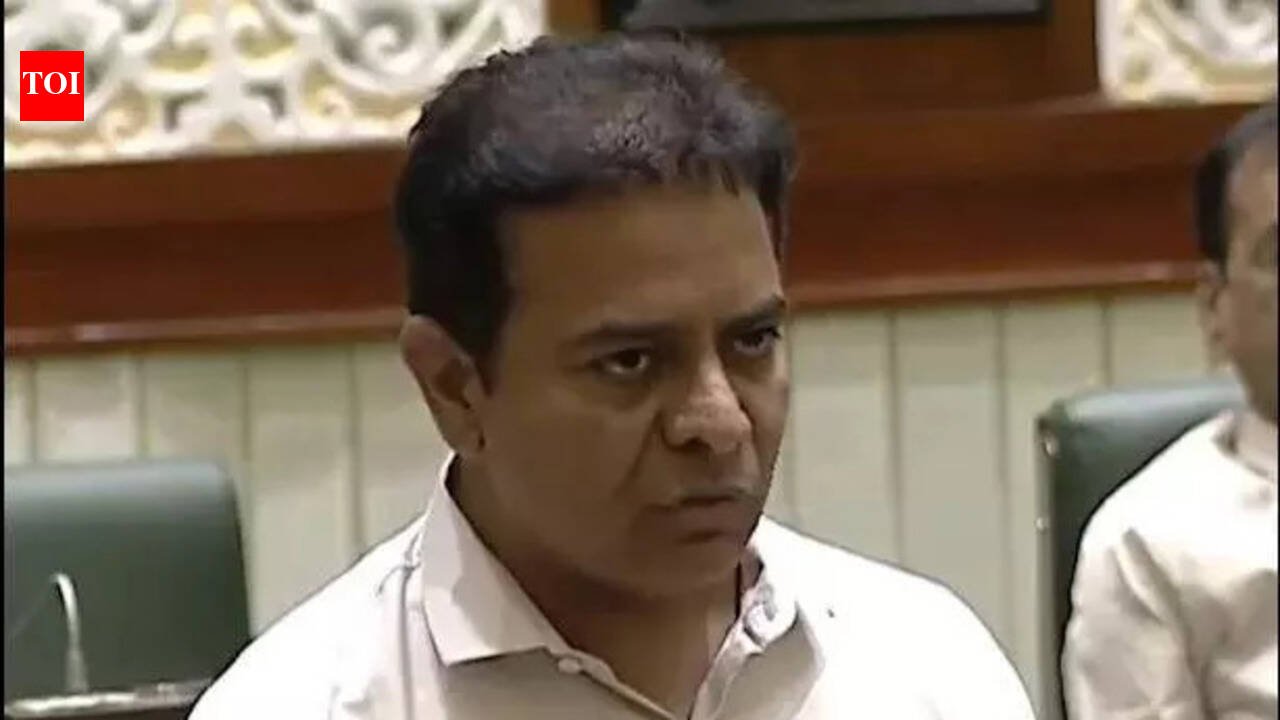
Hyderabad: BRS working president KT Rama Rao condemned the Telangana Hate Speech and Hate Crimes (Prevention) Bill introduced by the Congress govt, calling it a draconian tool to curb free speech. He raised serious constitutional, democratic, and civil liberties concerns if the bill becomes law. “While preventing genuine hate speech and maintaining social harmony is an important responsibility of any govt, the present framework appears dangerously broad, vague, and open to misuse,” he said.In a statement, KTR said that instead of protecting public order, the bill risks becoming an instrument for the selective targeting of opposition leaders, critics, journalists, and ordinary citizens expressing dissent.“The bill defines hate speech using sweeping expressions such as ‘promoting ill-will,’ ‘distorting harmony,’ and ‘spreading false information.’ These phrases are subjective and lack clear legal boundaries. Without precise definitions, enforcement becomes dependent on interpretation rather than evidence, he stated.KTR added that this creates a serious risk that criticism of govt decisions could be labelled as “disharmony” or “fake news,” thereby criminalising democratic expression. He also said the bill contradicts Supreme Court judgments. “The SC, in its landmark judgment in Shreya Singhal vs Union of India, clearly held that only speech directly inciting violence or public disorder can be restricted. Mere criticism, advocacy, satire, or disagreement cannot be punished,” he said.One of the most worrying aspects of the proposed framework is the possibility of executive authorities deciding what constitutes ‘fake news.’ “Allowing the govt to determine the truth about matters concerning itself undermines democratic accountability. Such provisions create a situation where the govt becomes both a participant in public debate and the authority deciding what citizens are allowed to say,” the former minister said.KTR also expressed serious concern that the bill proposes stringent penalties, including imprisonment of up to seven years for first-time offences and up to ten years for repeat offences. He warned that these harsh punishments are likely to discourage journalists from reporting sensitive issues, students from expressing opinions, citizens from criticising policies, and opposition parties from questioning the govt.


