


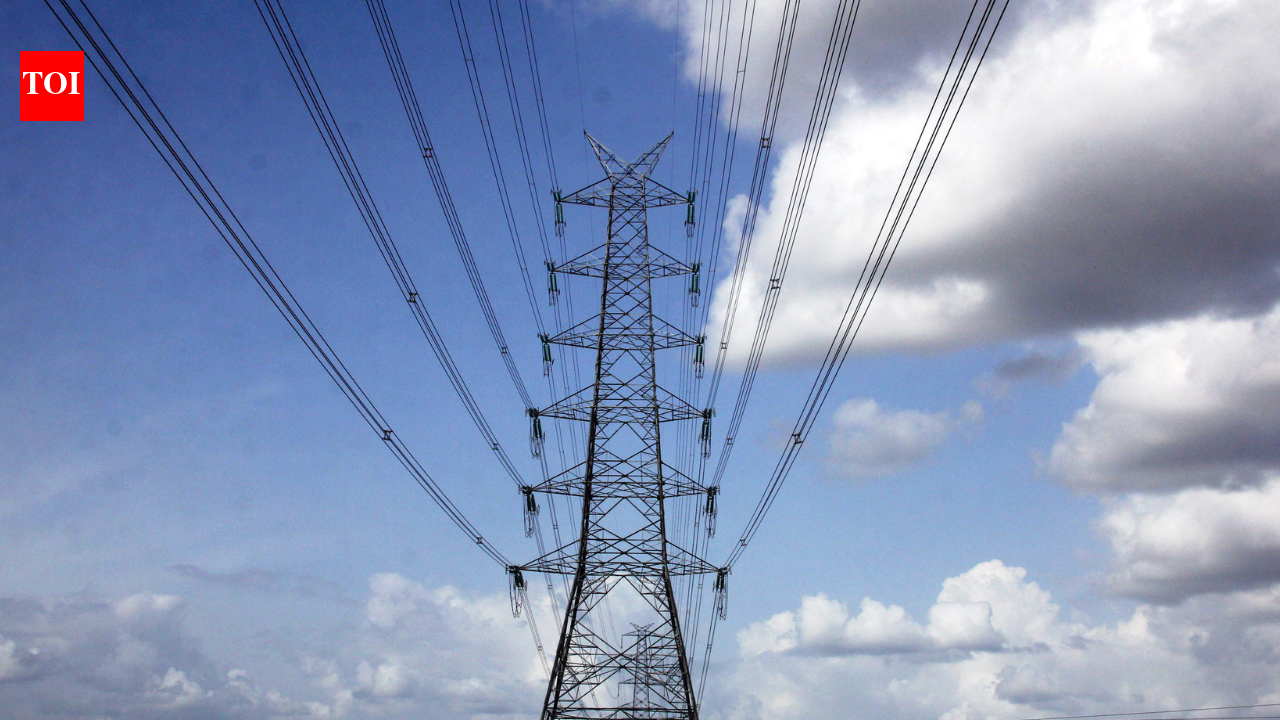
BENGALURU: A proposed Rs 2,588-crore intra state transmission project in Mandya district, Karnataka’s first to be implemented under the tariff-based competitive bidding (TBCB) model, has trig-gered concerns over its long-term financial impact on electricity consumers. The Karnataka Electrici-ty Board (KEB) Engineers’ Association has filed objec tions before the Karnataka Electricity Regulatory Com-mission (KERC), arguing that the project is unnecessary at present and could impose a burden of more than Rs 14,100 crore on consumers over the next 35 years through transmission charges.The project aims to strengthen Karnataka’s so-uthern power grid to meet fu-ture demand and improve supply reliability. Hampapura Power Transmission Ltd (HPTL), a special purpose vehicle promoted by REC Power Development and Consultancy Ltd, has awarded the project to Gurgaon-based Resonia Ltd and has sought a transmission licence from KERC. In its submission, the as-sociation stated that Karnataka’s existing and under construction 400kV and 220kV substations have sufficient spare capacity to meet projected power demand for at least the next five years. It argued that there is no immediate technical requirement for an additional 400kV substation and questioned why consumers sho-uld bear the cost of a project that may not yet be needed. The association also objected to HPTL’s proposed annual transmission char ge of Rs 402.9 crore. According to its calculations, this would translate into a finan-cial commitment exceeding Rs 14,100 crore during the 35-year concession period. It claimed the tariff is around 15% higher than estimates prepared by the project’s own cost committee and sig-nificantly higher than char ges approved by KERC for comparable projects. It further contended that if the project were executed by Karnataka Power Trans mission Corporation Ltd (KPTCL), which has reported profits in recent years and operates nearly 1,500 substations across the state, the infrastructure could be developed at a substantially lower cost. Questioning the transparency of the proposal, the as-sociation noted that no assessment has been presented on the likely impact of the transmission charges on electricity tariffs, Escom finances or consumer bills. It also highlighted the absence of a cost-benefit analysis demonstrating savings from reduced transmission losses, improved reliability or congestion relief. The association expres-sed concern that there is no mechanism to lower annual charges if project costs decli-ne during implementation. It warned that several similar TBCB projects plan-ned in Karnataka could collectively cost consumers ne-arly Rs 4,000 crore more annually than if they were executed by KPTCL. Invoking consumer pro-tection provisions under the Electricity Act, the associa-tion urged KERC to reject HPTL’s licence application until the project’s technical necessity, economic viability and public interest are conclusively established.
