


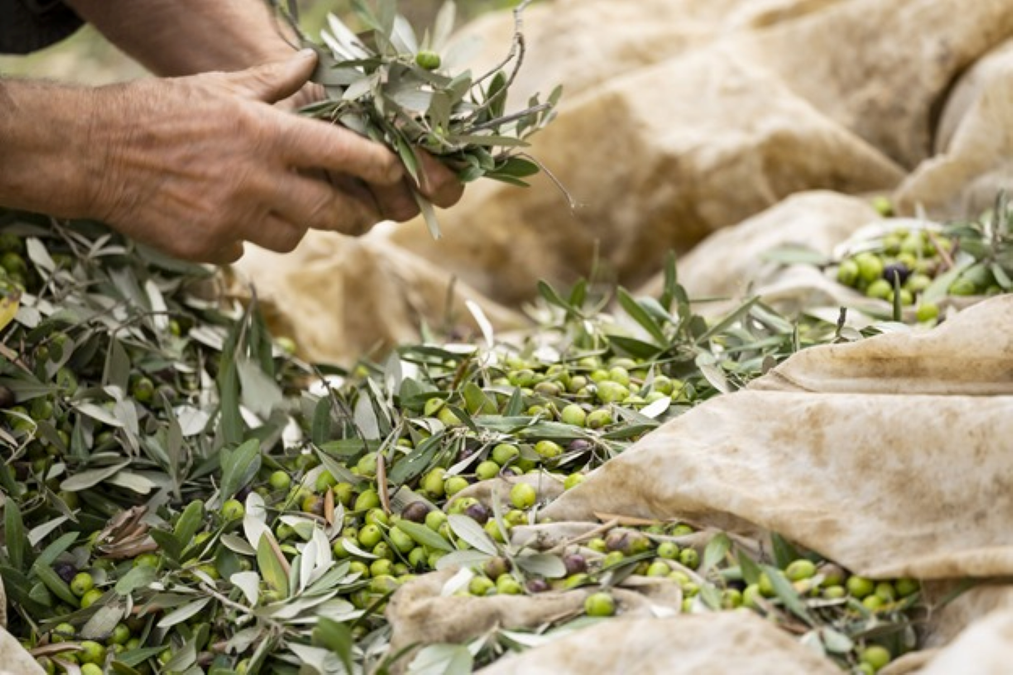
Srinagar, Aug 30: Kashmir’s only olive cultivation belt in Salamabad area of Uri near Line of Control (LoC) is dying a silent death as the plantation continues to suffer from the lack of a reliable irrigation facility, with declining productivity threatening the future of the region’s unique olive-growing legacy.
To revive the 29-kanal olive plantation, the Horticulture Department is now planning to explore the possibility of lifting water from the Jhelum River to irrigate the orchard in Salamabad area of north Kashmir’s Baramulla district.
Officials said a Detailed Project Report (DPR) will be prepared to assess the feasibility of drawing water from the river and supplying it to the plantation, which has depended largely on rainfall for moisture after its original irrigation system was damaged in the 2005 earthquake.
“Since there is no irrigation facility in the area, we are exploring the possibility of using water from the Jhelum River. Department will prepare a DPR and submit it to the higher authorities. Lifting water from the river is the only viable option available to restore irrigation to the plantation,” a Horticulture Department official told Rising Kashmir.
Another senior official said the prolonged absence of irrigation had significantly affected the health and productivity of the olive trees.
“The growth and productivity of olive trees have reduced considerably. Without a dependable source of irrigation, sustaining the plantation has become increasingly difficult,” the official said.
The plantation, established in 1987 under an Indo-Italian collaboration, originally had access to a natural stream. Water from the stream was collected in a tank and subsequently used to irrigate the olive orchard.
However, the 2005 earthquake damaged the water supply system, leaving the plantation without a dependable source of irrigation. Since then, rainfall has remained the primary source of moisture for the trees, contributing to a gradual decline in their growth and yield.
The department also explored other options to restore irrigation. In 2024, the Irrigation Department inspected the site to assess the feasibility of developing a groundwater source.
“They had proposed digging a borewell, but the plan could not be implemented because of the area’s higher elevation, which makes groundwater extraction technically infeasible,” the official said.
The irrigation crisis has affected not only olive production but also the plantation’s broader objective of promoting olive oil extraction in the region.
Olive cultivation in Kashmir remains largely confined to the Uri region, where relatively warmer climatic conditions and suitable soil have provided a favourable environment for the Mediterranean crop.
The Salamabad plantation was established after soil studies by a British team identified the area as suitable for olive cultivation. The project was subsequently taken up in 1987 under an Indo-Italian collaboration, making it an important experiment in diversifying horticulture in the region.
Local residents and growers have expressed concern over the gradual deterioration of the plantation, saying immediate intervention is needed to prevent Kashmir’s only established olive-growing belt from further declining.
“Irrigation is the lifeline of olive cultivation. The trees require timely watering for healthy growth and better yields. Without a proper irrigation system, the plantation will continue to suffer,” said 80-year-old Azad Khan, a resident of Shadra village in the Kamalkote area.
Joint Director Horticulture Kashmir Javaid Bhat told Rising Kashmir that the department has written to the Executive Engineer of the Irrigation Department in Uri in this regard.
“We have requested a detailed assessment of the site and preparation of a Detailed Project Report (DPR) for a proposed lift irrigation scheme to draw water from the River Jhelum. We are awaiting their response,” he said.
