



Srinagar, Oct 19: Kashmir’s tourism sector is stabilising after last year’s setback and is poised for an upward winter season, Director Tourism Kashmir Syed Qamar Sajjad has said.
The overall trend, he said, is pointing upwards, and the upcoming winter season is expected to bring a fresh influx of visitors, provided snowfall remains favourable and transport routes stay accessible.
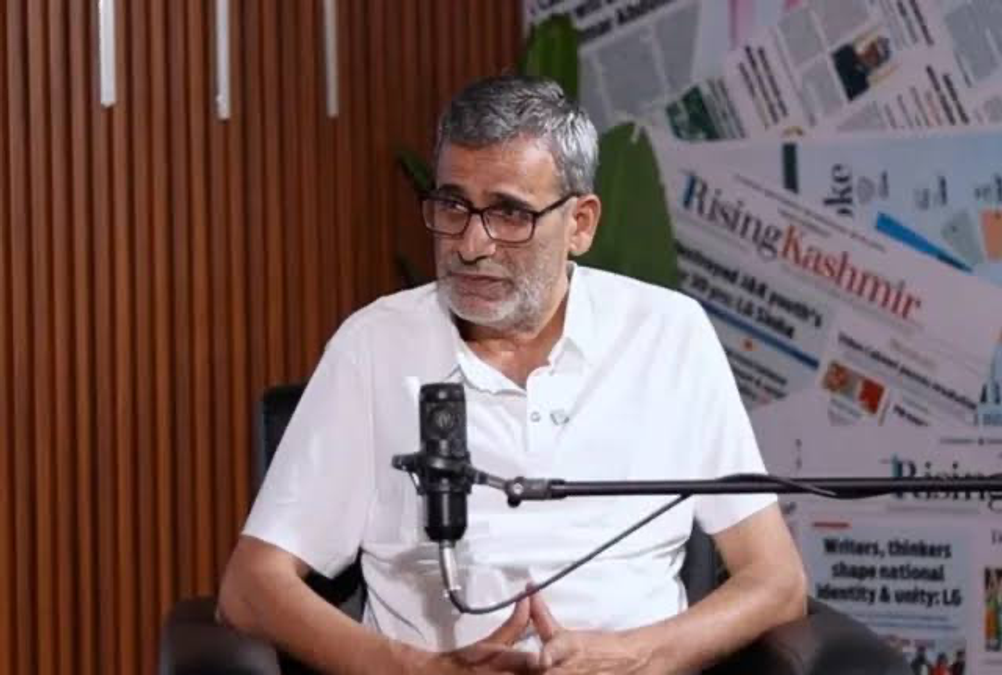
In an exclusive interview with Rising Kashmir, Sajjad said the department was preparing to expand winter tourism activities beyond traditional destinations, organise carnivals at multiple locations, promote skiing among children and explore artificial snowmaking to address the growing challenge of declining snowfall linked to global warming.
“Overall, the tourism graph is upward,” he said, adding that while the sector had yet to regain the tourist footfall recorded in 2023, it was showing signs of stability.
Sajjas said tourist arrivals in Kashmir were closely linked to weather conditions, with snowfall playing a significant role in attracting visitors during November, December and January. He added that if weather conditions remained favourable and roads stayed accessible, the Valley could witness a good number of tourists in the upcoming winter season.
The Director said the department traditionally organised a seven-day carnival in Gulmarg around New Year, but this year it planned to hold additional carnivals at other destinations, potentially extending the events to two or three days at different locations.
The department also intends to continue its integrated skiing training programme, introduced last year, to encourage children to take up the sport. The programme is planned for Gulmarg, Sonamarg and Pahalgam, besides Doodhpathri, subject to its accessibility.
Sajjad acknowledged that the absence of a foolproof system for counting tourist arrivals made it difficult to provide precise figures, with the department relying largely on feedback from tourism stakeholders to assess the sector’s performance.
He described tourism as one of the major employment-generating sectors in Jammu and Kashmir after agriculture and horticulture, supporting not only hoteliers, transporters and pony operators but also artisans associated with handicrafts, including papier-mâché.
“Tourism provides livelihoods to a large number of people at the grassroots level,” he said, expressing confidence that the sector would emerge as one of the principal sources of employment for the youth in the coming years.
Environment, service quality key challenges
The Director said balancing tourism development with environmental protection remained one of the department’s biggest challenges, stressing that tourism activities must not disturb the natural habitats and surroundings that attract visitors to Kashmir.
He said upgrading existing tourism infrastructure and outsourcing its operation, wherever appropriate, were among the department’s priorities, with the objective of generating local employment and improving service delivery.
Emphasising the need to make tourist services more responsive, Sajjad said visitors increasingly researched destinations through mobile phones and judged their experiences by the quality of services and the way their grievances were addressed.
He urged tourism stakeholders, including transporters, hoteliers, restaurant owners and travel service providers, to establish effective grievance-redressal mechanisms and improve their responsiveness to visitors.
Sajjad also stressed the need to cater to the food preferences of tourists from different parts of the country, suggesting that businesses train local staff or engage chefs familiar with regional cuisines.
While promoting Kashmir’s own food, handicrafts and cultural traditions remained important, he said, meeting visitors’ basic preferences would help improve their experience and strengthen the Valley’s reputation as a tourism destination.
Skiing, golf and cultural tourism in focus
Outlining preparations for winter, Sajjad said a new ski shop had been established in Gulmarg and efforts were underway to make it operational this season. The existing ski shop would also be upgraded, while new skis had been purchased.
The department plans to promote skiing in Pahalgam and Doodhpathri, subject to feasibility and organise at least one or two skiing tournaments during the season. It is also looking to host one or two national-level competitive winter sports events.
The Director said the department was exploring artificial snowmaking and alternative facilities, including a skating rink, to reduce the impact of declining snowfall on winter tourism.
Consultants are working on a Detailed Project Report (DPR) for an artificial snowmaking facility at Kongdori in Gulmarg, he said, adding that the initiative was aimed at helping sustain the skiing season despite the effects of global warming.
Beyond winter sports, the department is seeking to strengthen golf tourism by bringing tournaments back onto the calendar. Kashmir has around five to six golf courses, which Sajjad said could attract visitors from outside the region and generate additional economic activity.
He identified infrastructure upgradation, training of human resources and promotion of tourism activities as key priorities for the coming years.
“The department is also working with other agencies to showcase Kashmir’s cultural heritage and traditional livelihoods. A five-day festival at Zabarwan Park was organised to highlight local food culture, while the handicrafts department had offered tourists free visits to downtown Srinagar to introduce them to local artisans,” he said.
Sajjad said such initiatives were intended not only to promote Kashmir’s cultural identity but also to expand livelihood opportunities and increase the income of local communities.
