


Sources in the BJP told ET that the party did not favour putting up the eighth candidate. JDS leaders approached the BJP and asked about putting up the eighth candidate despite the party lacking the necessary numbers. BJP was sure of its two candidates and with the JDS insisting, the state party leaders consulted the central leadership. Once the central leadership green-flagged it, the party agreed to transfer its remaining votes to the JDS. BJP has 63 MLAs and it needed 56 votes for its two candidates. The party stated that it would transfer votes to JDS after ensuring the victory of its two candidates. JDS has 18 MLAs and even if the BJP agreed to transfer the remaining seven votes, JDS was still lacking the required number of 28 votes to ensure its candidate’s victory. JDS hoped that some Congress MLAs might cross-vote. However, just the opposite happened. JDS candidate Govindaraju received only 14 votes with four JDS MLAs cross-voting for the Congress candidate along with some BJP MLAs.
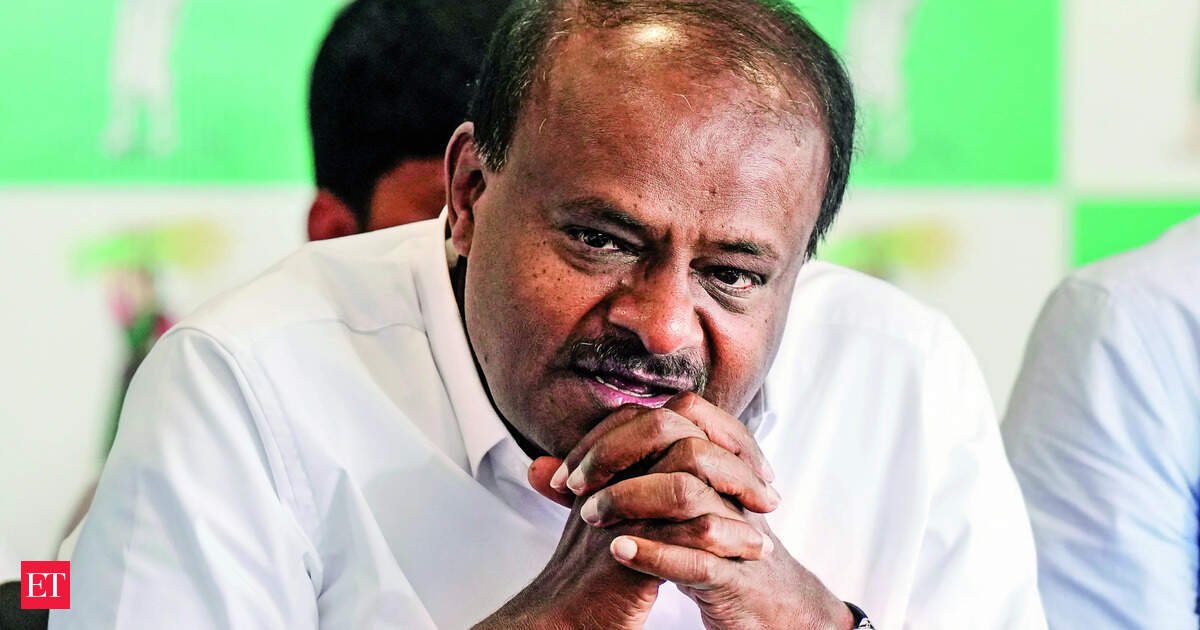
JDS leader HD Kumaraswamy said he was testing the loyalty of his party MLAs, and the loss is not a concern for him.
Sources in the BJP told ET that this irked the party, as the JDS was unsure of its candidate’s win.
A section of state BJP leaders feels that after the elevation of DK Shivakumar as CM, the support base of the JDS is shrinking, and the Vokkaliga community is now trying to side with DK.
BJP is now focusing on Lingayat and OBC votes, which form a large chunk in the state. Within the alliance, BJP leaders from North Karnataka are unwilling to yield space to JDS. Similarly, JDS doesn’t want to give much space to the BJP in Old Mysuru region which has long been its bastion. BJP is analysing its electoral preferences going forward, which might change the alliance dynamics before the 2028 assembly elections.
