



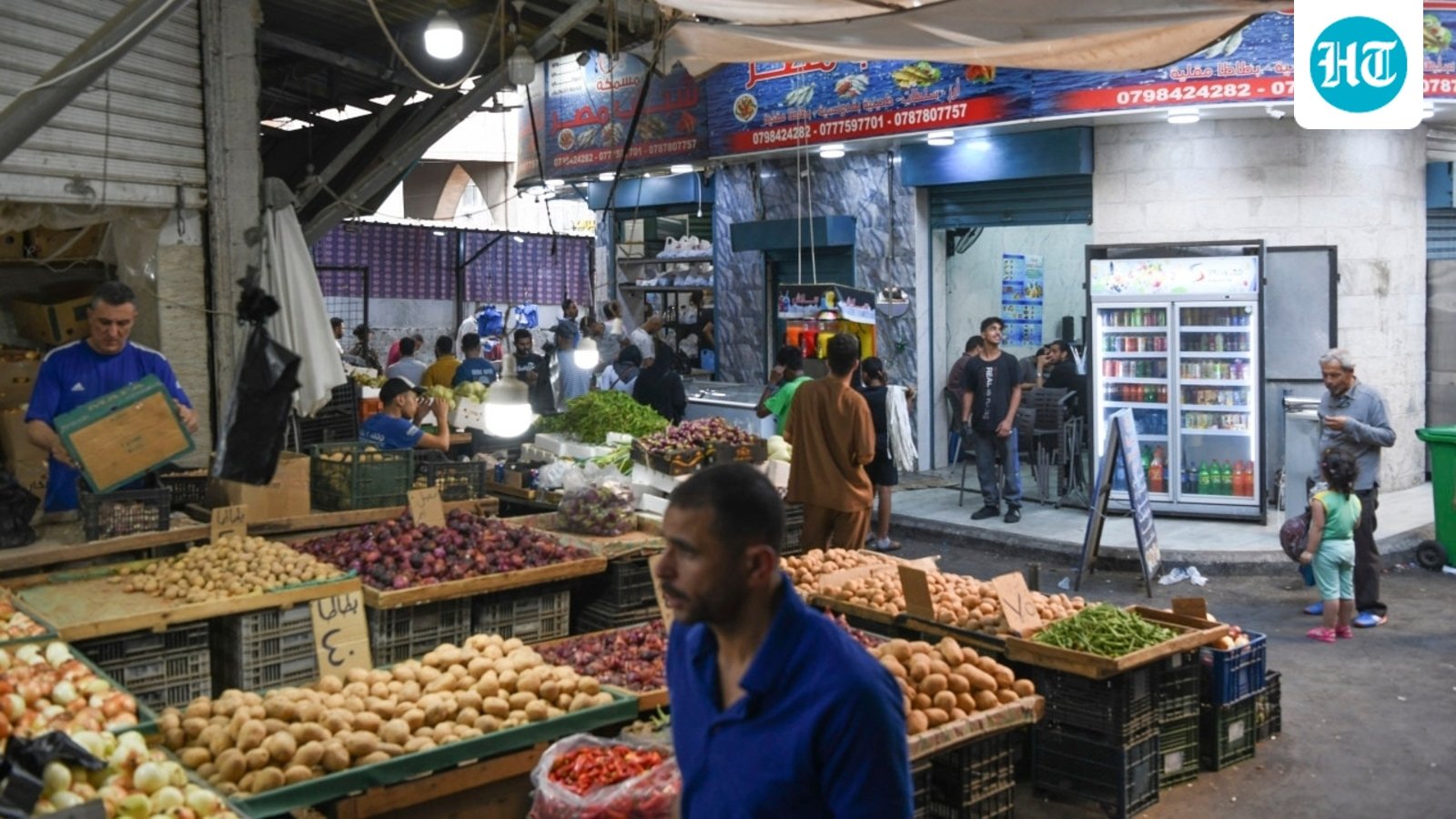
For much of the past month, Iran fired missiles and drones day after day at Jordan. But for many Jordanians, the blame for putting their small country on the front lines falls on President Trump.


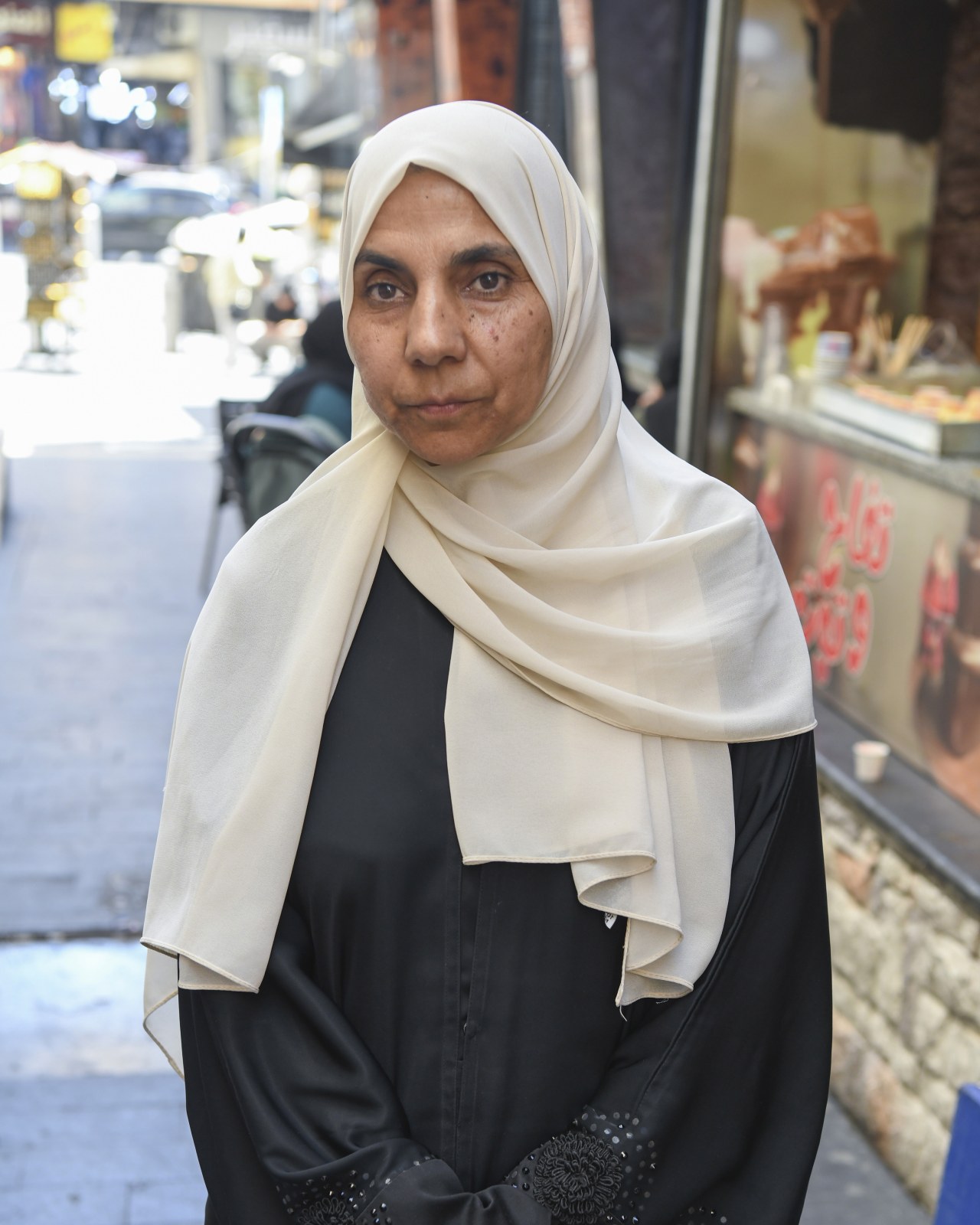
“Trump is the cause of this war,” said Tahani Khalaf, 63 years old, as she walked with her sisters here in the Jordanian capital on a recent day, hours after another attack. “America forced Jordan to become part of this.”
Lacking oil and surrounded by bigger powers, Jordan has relied on the U.S. for decades as a protector and for as much as $2 billion in annual military and economic aid.

Now, the U.S. needs Amman’s help more than ever. Jordan’s greater distance from Iran and willingness to let the Pentagon use its territory have made the country an increasingly important partner as the war drags on and Kuwait and other Persian Gulf allies have reduced their role.
But the expanded American footprint at bases in Jordan has come with risks, pulling the kingdom closer to a conflict that has already damaged its economy and shattered its sense of security. Trump’s decision to hold off on a planned attack this weekend provides hope for a respite, but over more than five months of conflict, renewed violence has often broken the calm suddenly.
Jordan is now firmly in Iran’s crosshairs. On eight of the last 14 days, Jordan’s military has reported on its website intercepting missiles or drones fired from Iran.
By raising the military pressure, Iran is seeking to stir up opposition to the war in Jordan and to the U.S. presence, analysts say.
It is a strategy that puts Jordan’s King Abdullah II in a bind. Even more so than other U.S. allies in the region, he is heavily dependent on Washington and one of its most reliable partners. But many Jordanians and much of the country’s large Palestinian population oppose U.S. Middle East policies and its backing of Israel.
“Jordan is so dependent on the U.S. that they can’t say no to them launching attacks from their territory,” said Danny Citrinowicz, a senior fellow at the Institute for National Security Studies, an Israel-based think tank. “But at the same time, these attacks could weaken the fragile stability in Jordan.”

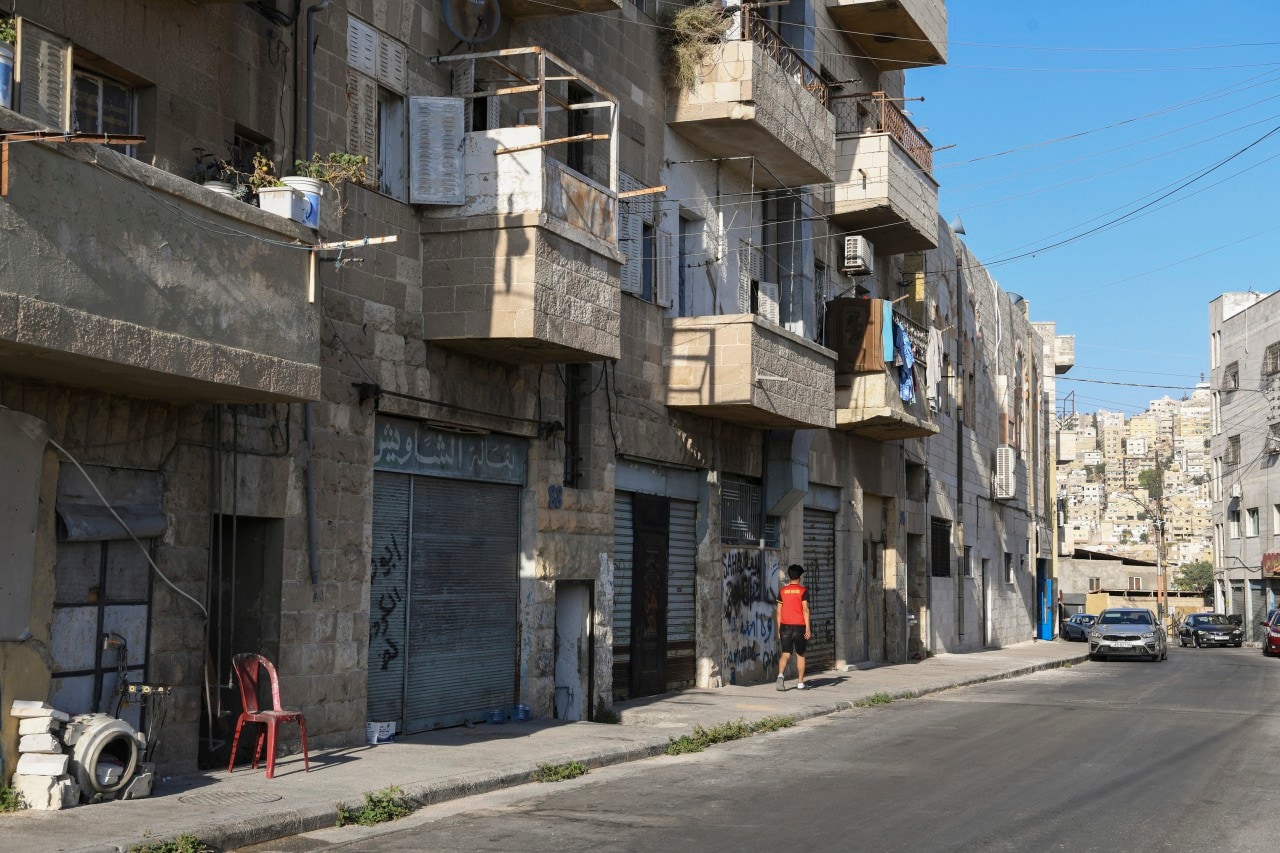
Iran has fired at least 60 missiles and drones at Jordan since a ceasefire between Tehran and Washington collapsed July 8, said the Jordanian military, a faster pace than early in the conflict when the kingdom was targeted by 125 attacks over three months.
Most salvos have been aimed at bases hosting U.S. forces and have been intercepted, U.S. and Jordanian officials said. Three American servicemembers were killed on July 17 in a missile strike that struck prefabricated housing units at Muwaffaq Salti Air Base in Jordan’s eastern desert. Iran launched another four-missile barrage last Wednesday that the U.S. military said was “an attempted surprise attack” on troops in Jordan’s eastern desert. At least one attack targeted Jordan’s only port, Aqaba.
“Jordan’s orientation regarding the U.S. or the presence of U.S. forces is unlikely to change,” said Behnam Ben Taleblu, an Iran expert at the Foundation for Defense of Democracies, a policy organization that opposes Iran’s rulers. “But Tehran is comfortable just dialing up the pressure.”
Tehran hasn’t hit civilian targets in Jordan, but air-raid sirens have sounded multiple times in recent weeks in the capital and other areas, residents say.
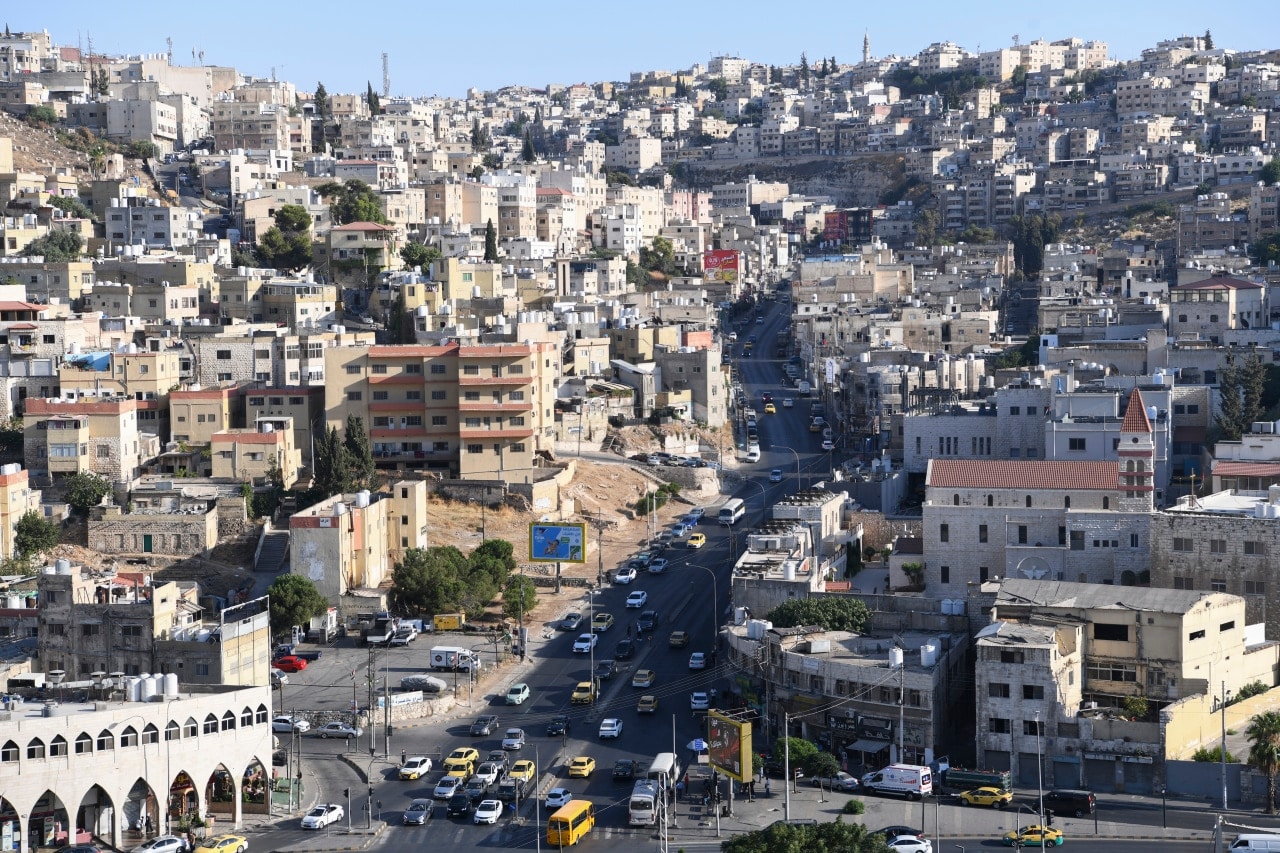
That has sparked a rare public display of opposition to the government over the past month by over 300 former members of the kingdom’s Parliament, tribal leaders and civic activists who called for the removal of U.S. forces.
“Jordan is not a party to this war, and its people should not bear its consequences or pay the price for policies that do not serve the country’s supreme interests,” said the letter, which demanded an end to the 2021 bilateral agreement that gives the U.S. military “unimpeded access” to Jordanian bases.
Amjad Majali, a former member of Jordan’s parliament and a former minister who signed the letter, said it “reflects the position of the overwhelming majority of Jordanians. Yes, we support the state, but we do not support all of its practices.”
For years, Jordan sought to play down its close military and intelligence cooperation with the U.S. But Jordan’s role is now becoming too visible to obscure. Jordan is an attractive base for U.S. forces because it is among the Arab world’s most permissive hosts for U.S. military operations.
Muwaffaq Salti Air Base in Jordan’s eastern desert and several other bases in the country host U.S. fighters, air defense batteries and other military units used against Iran.
The White House and U.S. military didn’t respond to requests for comment.
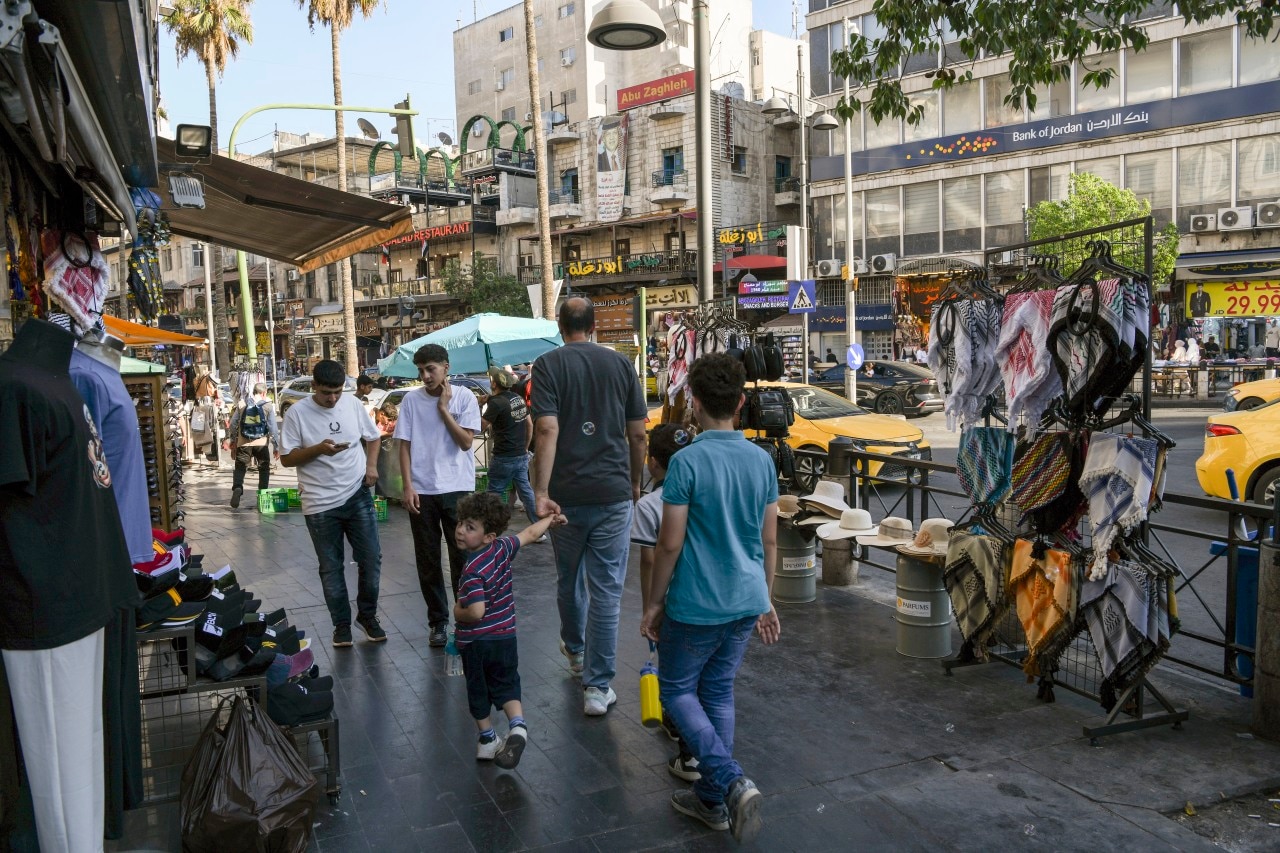
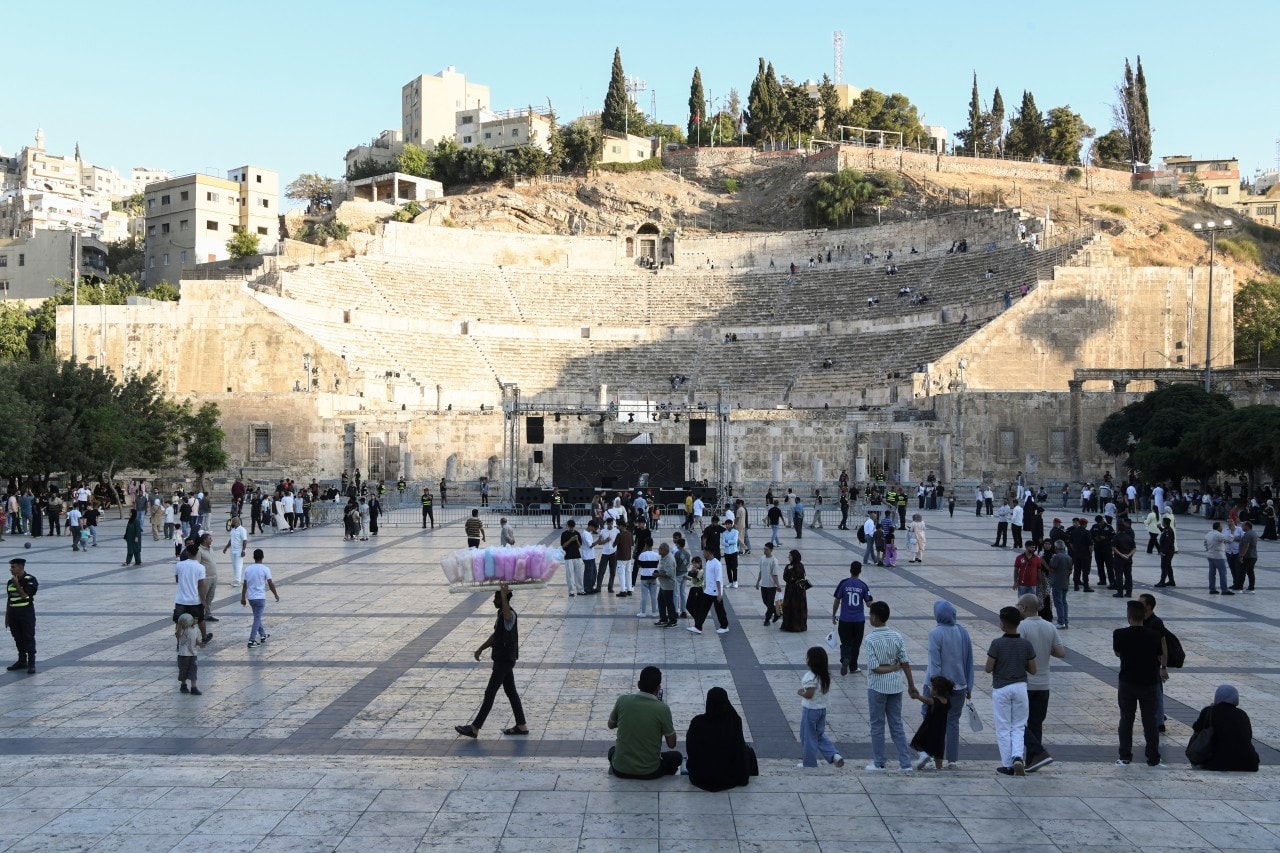
Jordanian officials have condemned Iranian missile and drone attacks as violations of the kingdom’s sovereignty, stressing that Jordan will defend its airspace and protect its citizens. But they also publicly play down Jordan’s cooperation with the U.S.
“There are no American bases in Jordan. We have American troops that are in Jordan as part of our longstanding military cooperation,” Foreign Minister Ayman Safadi said last month at the Aspen Security Forum.
Iran filed a formal protest at the United Nations against Jordan in March, accusing Amman of “facilitating hostile acts against Iranian territory.”
Jordan has tried to stay out of the region’s wars since the 1973 Arab conflict with Israel. But after the Oct. 7 Hamas attacks on Israel that plunged the region into conflict, Jordan has not only found itself attacked by Iran for hosting the U.S. military but also shooting down Iranian missiles headed toward Israel, a move that was unpopular internally.
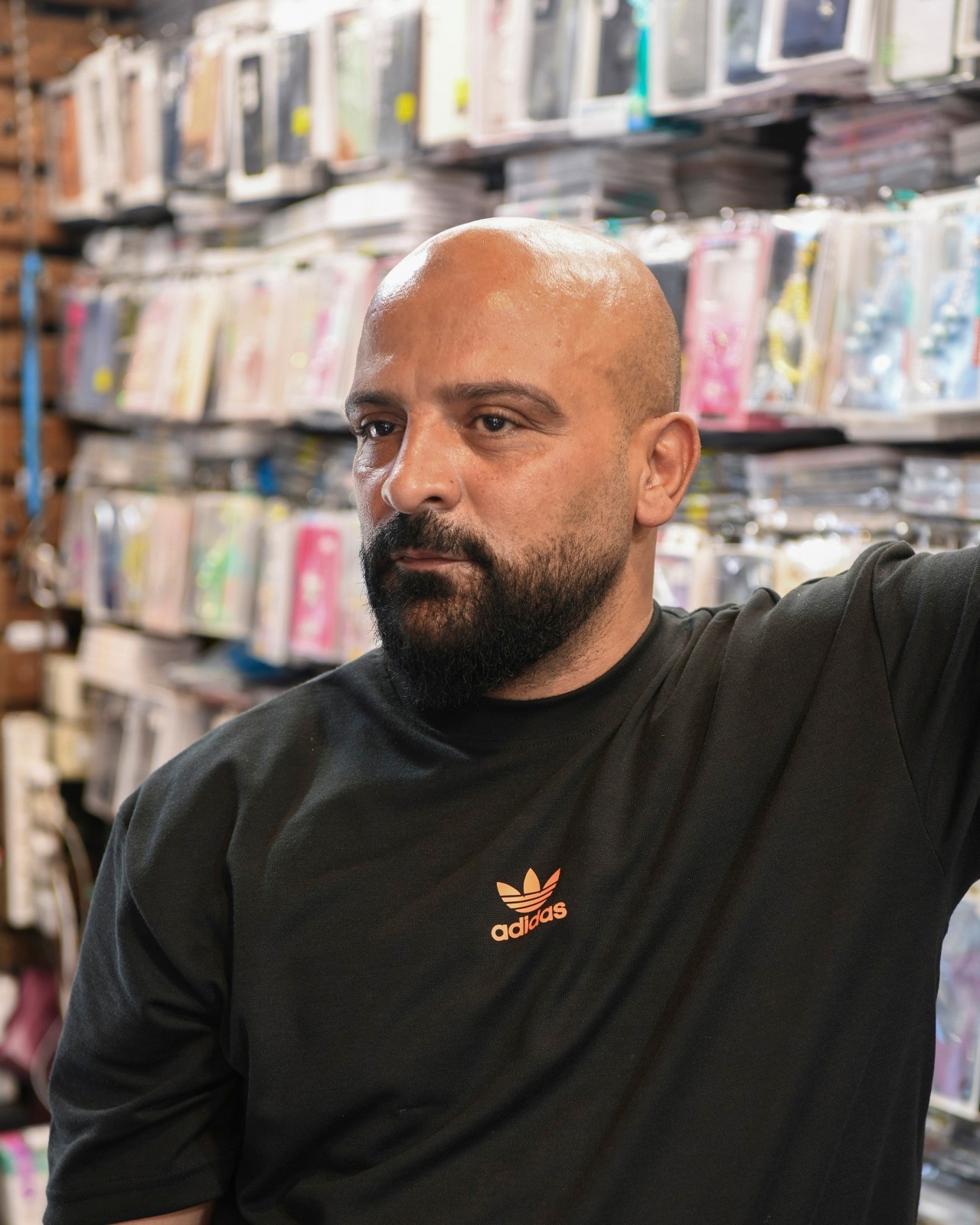
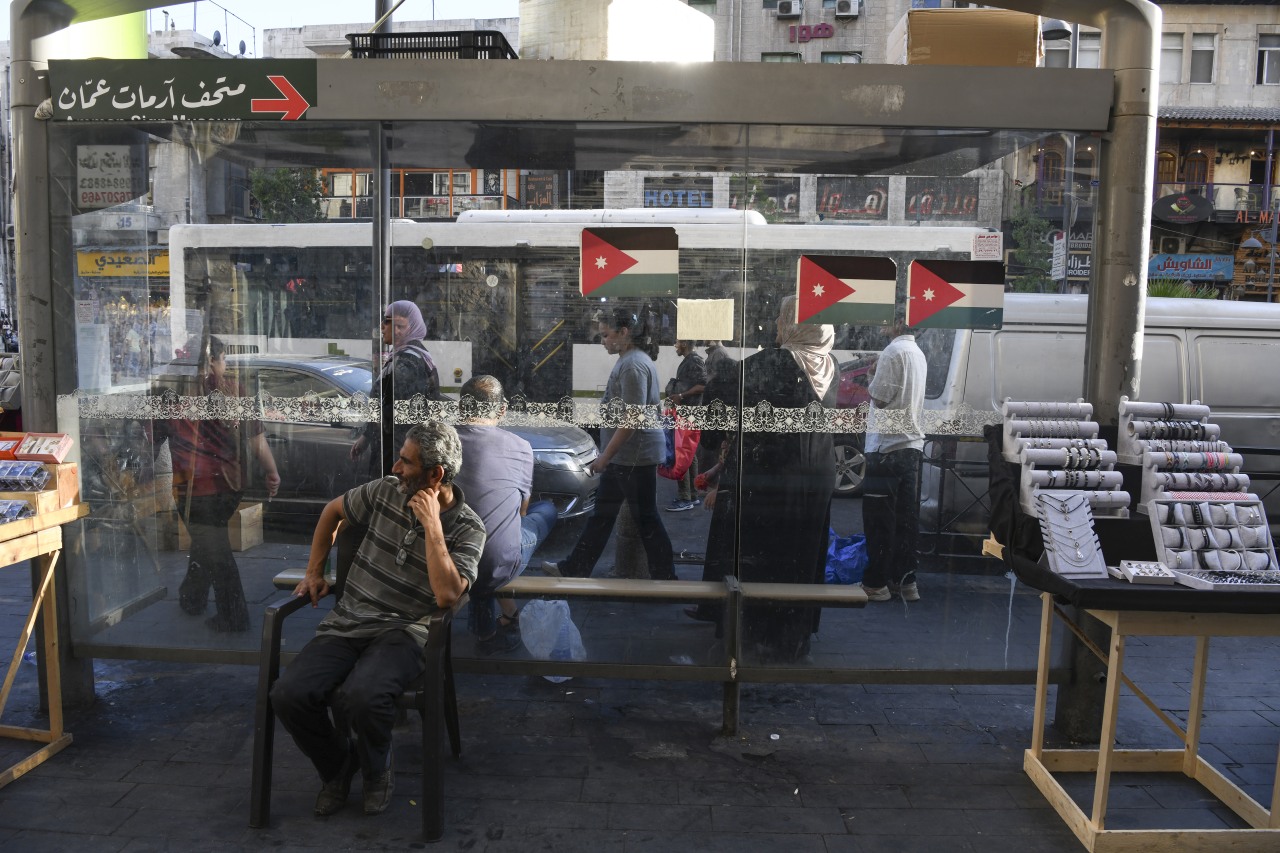
Saed Hasan, 41, who runs a stall selling mobile-phone accessories in Amman, said his sales have fallen steeply since the war began.
“Do you believe you could be sleeping in your house and a missile could fall on you? This is something we have never experienced before. Until when? God knows,” he said.
At the same time, anger at Trump for starting the Iran war doesn’t equate to support for Iran and its Shiite Muslim leadership. Jordan’s population is 95% Sunni.
“If Iran had the chance, it would wipe us off the face of the earth,” said Hamada Qrada, 52, a barber. “God willing, may the oppressors destroy one another and stay far away from us.”
Write to David S. Cloud at david.cloud@wsj.com


