



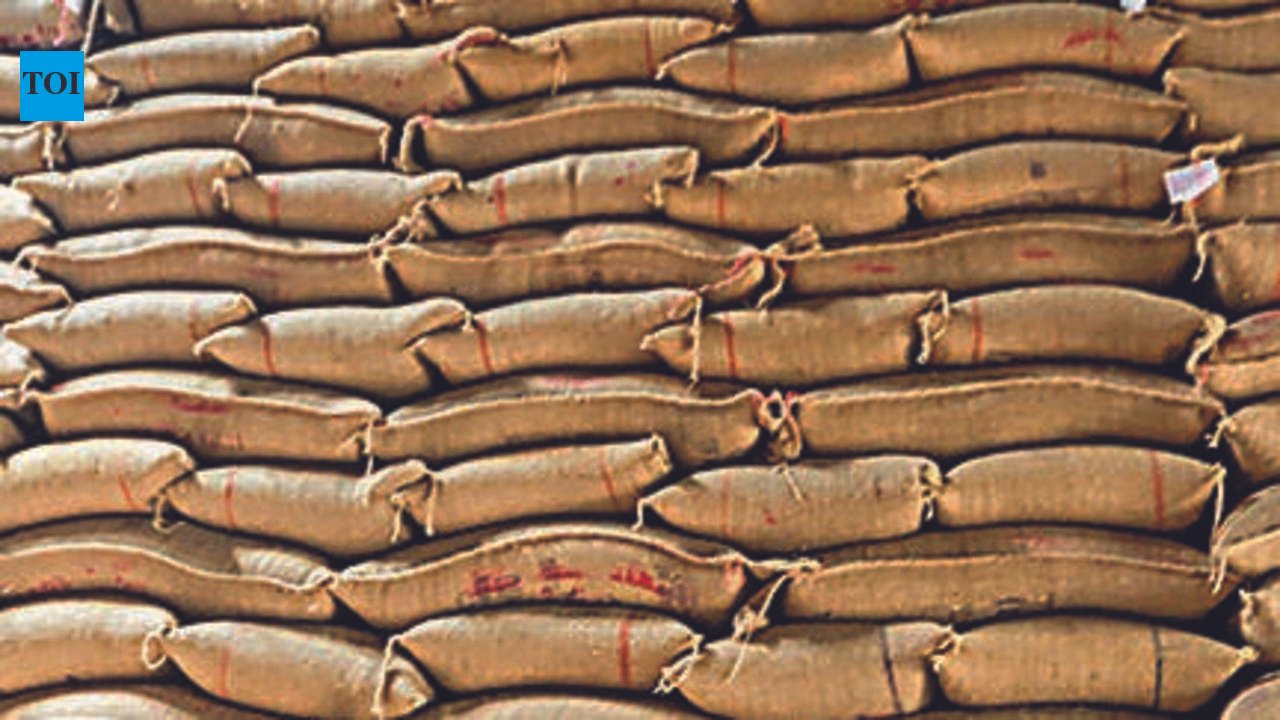
Ranchi: The Jharkhand State Food & Civil Supplies Corporation Limited (JSF&CSCL) will rope in retired quality control officers of the Food Corporation of India (FCI) to monitor and improve the quality of food grains being distributed across the state.The state-run corporation will hire 24 retired quality control cadre experts of FCI on a contractual basis. They will be deputed in all districts and will oversee inspection and storage of food grains and public distribution system (PDS) operations. Officials said that the onboarding process has already commenced with a call for applications being issued.JSF&CSCL managing director Ranjeeta Toppo said, “Grain handling requires strict scientific oversight. The deep domain expertise brought by former FCI personnel will ensure that food grains, particularly rice and maize, are monitored rigorously from the initial procurement stage right up to final distribution to end users through the PDS network.”A primary focus area for the specialists will be the paddy procurement process, where raw paddy is dispatched to rice millers for processing before re-entering the state supply chain. Toppo explained that rigorous expert oversight will now enable the corporation to verify that the custom-milled rice returned by millers strictly meets predefined govt specifications, taking swift corrective measures whenever discrepancies arise.The quality control experts will assume comprehensive responsibility for supervising overall quality protocols across all district operations. Their scope of work encompasses conducting routine inspections at procurement centres, storage warehouses, and milling facilities, whilst ensuring strict compliance with established state and national food standards.Furthermore, the experts will play a pivotal role in maintaining long-term grain health by assessing stock conditions, submitting detailed analytical reports, and advising on corrective measures whenever substandard stocks are detected. They are also slated to provide crucial technical guidance on scientific preservation, inventory maintenance, and optimal storage practices to prevent damage and grain loss.


