



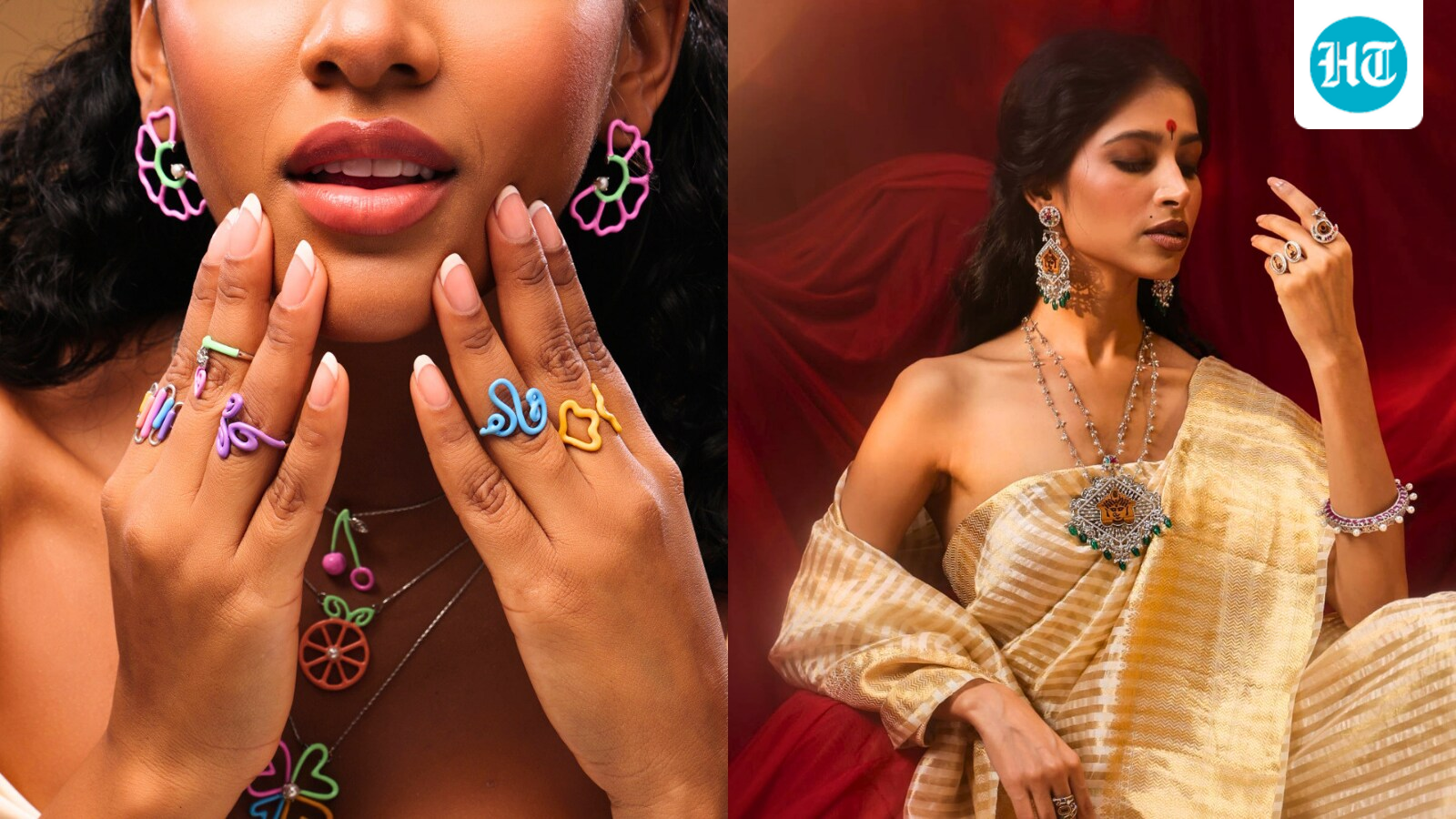
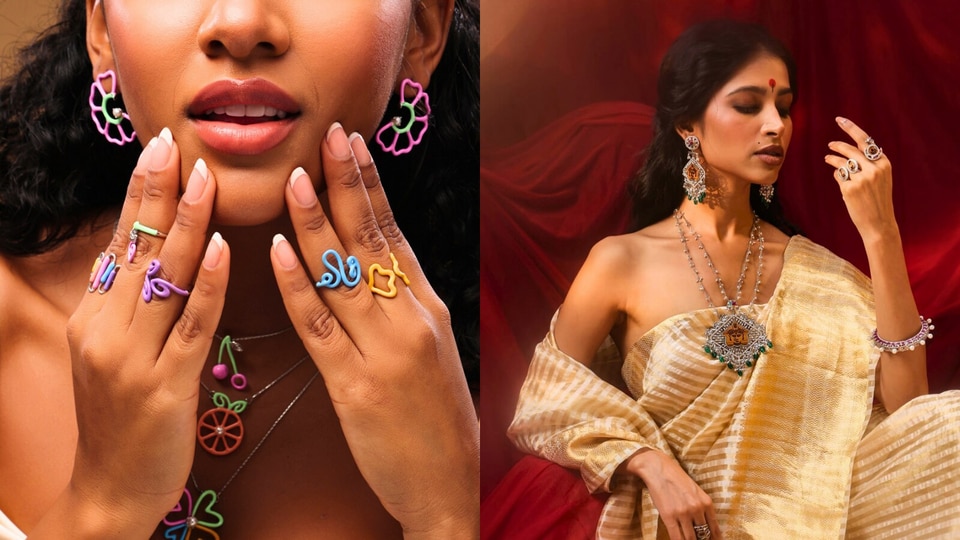

Jewellery layering is becoming a way to express personal style rather than simply accessorise an outfit. From stacking silver rings and layering necklaces of different lengths to mixing metals and combining delicate chains with statement bracelets, the idea is to make individual pieces work together without making every element match.
In 2026, this approach offers a practical way to refresh a jewellery collection without buying an entirely new set. According to Aditi Khandelwal, Founder and Creative Director of 925 sterling silver jewellery brand Kicky & Perky, the appeal lies in experimenting with pieces that reflect one’s personality.
“Layering is exciting because there is much scope for creativity. One does not have to worry about matching all the pieces of jewellery with each other,” Khandelwal explains.
The key is to find a balance between contrast, proportion and comfort. Here are six expert tips to help you experiment with jewellery layering this year.
1. Ring stacking: Mix different designs instead of matching every piece
Ring stacking is an easy starting point if you are new to jewellery layering. Instead of wearing a matching set, combine a delicate silver band with a colourful gemstone ring or a more elaborate design. Differences in shape, colour and detail can make the combination more interesting.
Khandelwal recommends starting with one ring and building the combination around it. If the first ring has a prominent stone or an elaborate design, pair it with simpler bands. If minimalism is more your style, two or three thin rings worn across different fingers can create a subtle layered effect.
You do not need to wear a ring on every finger to make the trend work. A few thoughtfully chosen pieces can look more balanced than a crowded stack.
Comfort also matters. If you type frequently, work with your hands or spend long hours outdoors, choose rings that sit comfortably and do not restrict movement. The best combination is one you can wear throughout the day without constantly adjusting it.
2. Necklace layering: Use different lengths to create definition
Layered necklaces can transform a basic T-shirt, an open shirt or a simple dress into a more considered outfit. The trick is to create visible separation between the chains so that each piece has its own place.
Khandelwal suggests combining a short chain, a medium-length pendant necklace and a longer chain without a pendant. The pieces do not have to be identical. Small charms, different chain styles or a subtle gemstone can introduce variation without making the combination look disconnected.
Your neckline should also influence your choice of necklaces. A V-neck generally works well with a pendant that follows the neckline’s shape. With a round-neck top, you can try a shorter chain paired with a longer pendant necklace.
For outfits with heavy embroidery, intricate embellishment or a prominent neckline, keep the layers more restrained. A couple of well-chosen chains can be enough to complement the outfit without competing with it.
Pay attention to the distance between necklaces, too. Chains that sit at almost the same length are more likely to overlap and tangle. Choosing noticeably different lengths helps each necklace remain visible.
3. Bracelet stacking: Combine textures, widths and finishes
Bracelets offer plenty of room to experiment because they can be mixed in different shapes, widths and finishes. A delicate chain bracelet can sit alongside a charm bracelet, a beaded design or a chunkier silver piece, provided the combination feels balanced.
For everyday wear, Khandelwal recommends starting with one bracelet that has an interesting detail and pairing it with a simpler chain or band. This creates texture without making the wrist look overcrowded.
If you prefer a bolder look, experiment with contrasting widths and finishes rather than choosing several bracelets that look nearly identical. For occasion wear, a statement bracelet can be paired with a few delicate pieces. Alternatively, two or three fine bracelets can add detail to an outfit without drawing too much attention.
Consider the practical side of styling as well. Bracelets should sit comfortably on your wrist and should not repeatedly catch on sleeves, bags or other accessories. If you are wearing long or embellished sleeves, a more streamlined stack may be easier to manage.
4. Mixing metals and gemstones: Let contrast do the work
Silver and gold do not have to be treated as separate styling choices. Mixing metal colours can give a jewellery combination a more individual feel, especially when the pieces share a visual detail, such as a similar shape, motif or proportion.
The same principle applies to gemstones and different finishes. A colourful gemstone ring can introduce a focal point among simple silver bands, while a sparkling moissanite piece can add shine to an otherwise understated combination.
You could also combine mixed-metal bracelets with a simple necklace or wear a gemstone ring alongside plain silver bands. The aim is not to make every accessory identical but to create enough visual connection for the overall look to feel intentional.
If you are unsure where to begin, choose one element to connect the pieces. It could be a repeated shape, a similar finish or a shared colour. Let the remaining details differ.
5. Make statement jewellery part of your everyday wardrobe
Statement jewellery does not need to be reserved for weddings, parties or festive occasions. The way you style a piece can make it suitable for everyday wear, too.
A large or elaborate ring, for example, can be paired with simpler bands rather than other equally prominent designs. A distinctive pendant can be worn on its own for a clean look or layered with finer chains for added detail.
Khandelwal’s advice is to give statement pieces enough room to stand out. If your rings are bold, keep your bracelets relatively understated. If you are wearing several necklaces, consider simplifying your other accessories.
This approach also helps you get more use out of the jewellery you already own. Try wearing a pendant on its own one day and layering it with two chains another time. A dramatic ring can become part of a softer combination when paired with delicate bands.
Instead of purchasing a new piece for every occasion, experiment with different combinations of familiar jewellery. Small changes in how you wear your collection can make the same pieces feel different.
6. Adapt your jewellery layers to the occasion
Jewellery layering does not have to look the same at work, during a casual outing and at a festive celebration. Adjusting the number of pieces and their visual impact can help the styling suit the occasion.
For work: Keep the combination understated with a couple of rings, a classic bracelet and a fine necklace. The aim is to add detail without allowing your accessories to distract from the overall look.
For casual outings: Experiment with charms, contrasting chain styles, textured bracelets or a bolder ring. These combinations work particularly well with simple separates, such as shirts, T-shirts and dresses.
For festive occasions: You have more room to experiment with gemstones, statement designs and contrasting finishes. However, consider your outfit before adding multiple layers. A heavily embroidered ensemble may need only a few carefully chosen pieces, while a clean, minimal silhouette can provide more space for jewellery to take centre stage.
There is no fixed number of pieces that makes a combination work. The outfit, the jewellery’s proportions and your comfort should guide the final choice.
The takeaway: Jewellery layering is about personal style, not quantity
The most effective jewellery layers are not necessarily the biggest or most elaborate. They are combinations in which each piece has a purpose, whether that is adding texture, introducing colour or creating a focal point.
Start with jewellery you already own. Try stacking a few rings, combine necklaces of visibly different lengths or pair a delicate bracelet with a more substantial design. Pay attention to how the pieces sit together and whether they feel comfortable enough for the occasion.
As Khandelwal’s approach suggests, there is no need to make every piece match. Mixing designs, finishes and proportions gives you the freedom to create combinations that feel personal.
Ultimately, jewellery layering is less about following a fixed trend and more about finding new ways to wear pieces that reflect your individual style.
Similar stories for you:
5 Capsule fashion investments for September 2026 that skip the microtrend noise
The ‘Quiet Luxury’ secret: 5 Simple fashion hacks to look expensive on a budget
Disclaimer: At Hindustan Times, we help you stay up-to-date with the latest trends and products. Hindustan Times has an affiliate partnership, so we may get a part of the revenue when you make a purchase. We shall not be liable for any claim under applicable laws, including but not limited to the Consumer Protection Act, 2019, with respect to the products. The products listed in this article are in no particular order of priority.
