





When slavery was abolished across most of the empire in 1833, the British government paid £20 million to slave owners in compensation. The loans taken out to raise the money were paid off in 2015.
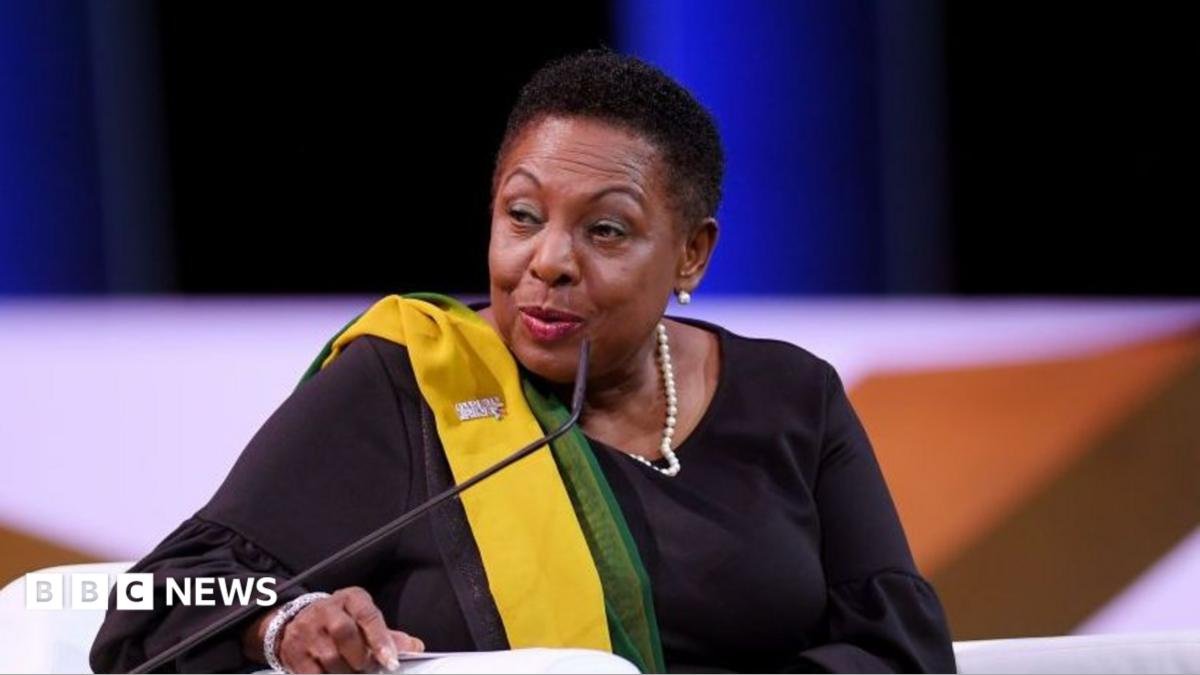
Grange said: “Up to 2015, Britain was paying the slave masters, because we were being considered property.
“The question really should be: if in modern times we’re still paying back the slave masters for the property that was our people, our ancestors, for property that was because of the abolition of slavery, then why shouldn’t we be pursuing some remedy at this time?”
Grange will also meet with British Museum officials to “advance discussions on the repatriation of artefacts” taken from Jamaica during the colonial era.
She said: “They are priceless, they are significant to the story of Jamaica and we are working to bring them home.”
In 2015, David Cameron, who was prime minister at the time, ruled out making reparations for Britain’s role in the historic slave trade, while visiting Jamaica.
Speaking to MPs in Jamaica’s parliament, Cameron said slavery was “abhorrent in all its forms”. He added that he hoped they could “move on from this painful legacy and continue to build for the future”.


