




For years, the narrative around the beauty business has been one of accessibility: It has never been easier to start a brand. Social media lowered the barrier to entry, direct-to-consumer made distribution easier and a strong point of view or the right TikTok mention could turn a single product into a viral hit. But scaling a beauty brand is a different story.
“It’s never been easier to launch a beauty brand, yet at the same time never been harder to grow one,” says Will Henderson, founder of the brand Skincare Generics. Converting attention into a scalable business, he adds, requires operational and financial infrastructure that many emerging brands simply do not have.
Across skin care, fragrance and cosmetics, founders are navigating a new reality defined by rising costs, constrained supply chains, stricter retail expectations and a widening gap between independent brands and well-funded competitors. Growth is still possible, but it now requires far more than a strong product. It requires capital, discipline and a clear strategy for what not to compromise.
The Cost of Getting Bigger
At the center of the shift is a simple but significant pressure: Everything costs more. Raw materials, packaging, freight and testing have all increased, forcing emerging brands to make harder decisions earlier in their lifecycles.
“Scaling now means facing both intense competition and elevated consumer expectations,” Iulia Scvortova, founder of makeup brand Serotonin Beauty, says. “There is more pressure to get everything right from the beginning, from product to branding to distribution.”
Photo: Courtesy of Serotonin Beauty

Those rising costs ripple across the business. “Costs have gone up across every layer—raw materials, packaging, freight and testing,” says Arielle Moody, founder of sun-care brand Mama Sol. Without the leverage of scale, emerging brands absorb those increases, tightening margins and limiting the ability to reinvest in growth.
For newer founders, that pressure is immediate. “You can have the greatest product in the world, but if you can’t meet retailer margin expectations or invest in visibility, scaling becomes very challenging,” says Dr. Whitney Hovenic, the co-founder of sun-care brand Spooge.
Even established founders are adjusting. Dimitri Weber, founder of fragrance house Goldfield & Banks, says rising costs are forcing brands to renegotiate with suppliers and, in some cases, absorb increases rather than pass them on to consumers.
Photo: Courtesy of Spooge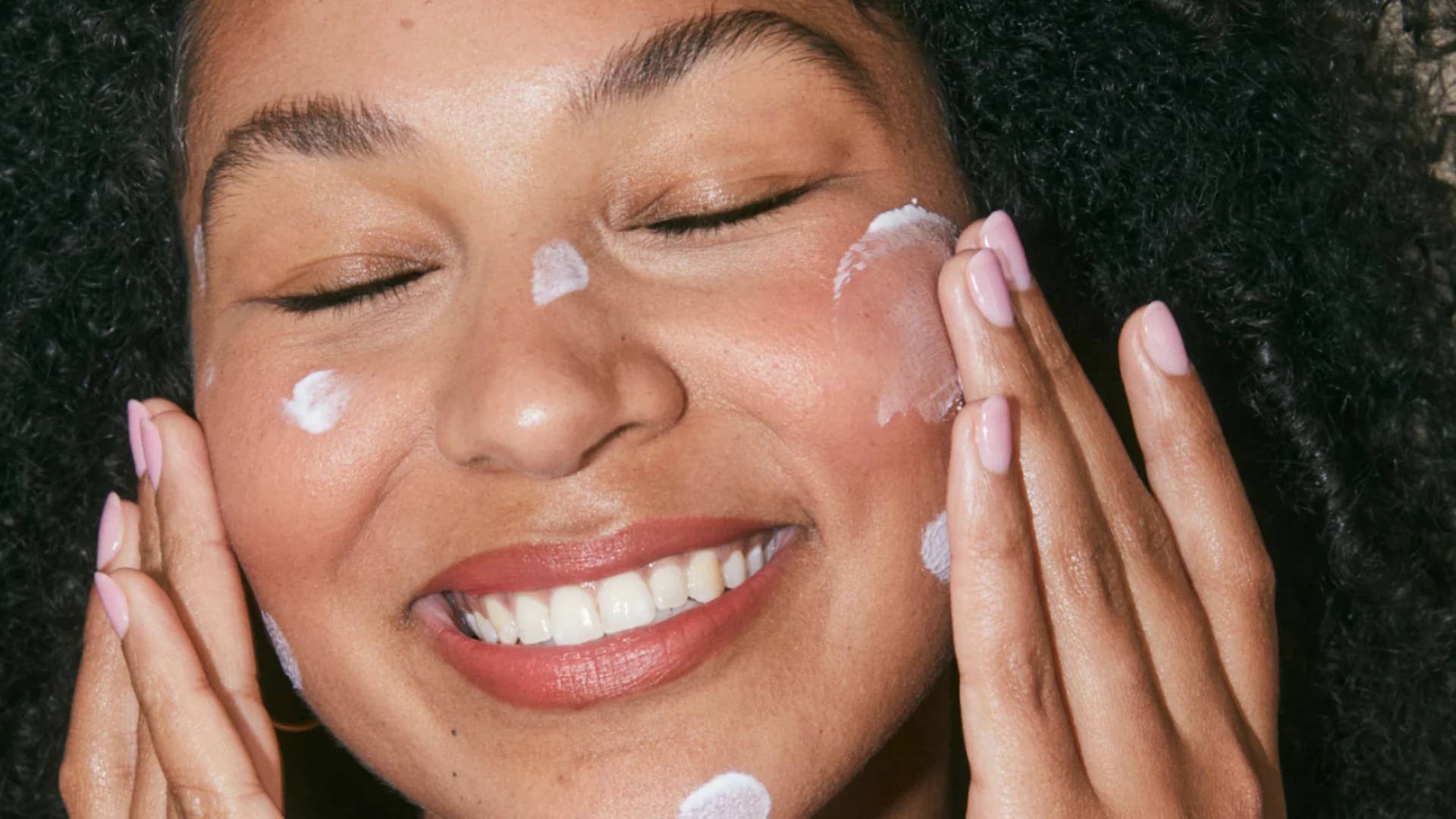

The MOQ Problem
Manufacturers’ minimum order quantities are another issue.
“You’re often required to commit to very large quantities from the beginning, sometimes 10,000 units per SKU before you’ve even proven demand,” says Luisa Slavila, founder of skin-care label Off We Glow.
For founders, that requirement transforms product development into a financial risk. “When a manufacturer tells you the minimum order is 5,000 or 10,000 units, that’s not just a production requirement. That’s a cash flow commitment, a storage challenge and a risk calculation all at once,” says Henderson.
Rising MOQs are “one of the biggest barriers right now,” adds Moody. “It’s not about product-market fit anymore, it’s about whether you can afford to play at that level.”
Brazil Edition Founder Rogerio Cavalcante says those constraints have forced a more disciplined approach: Brands are launching with tighter assortments and growing more intentionally, rather than expanding quickly. Together, these limitations are forcing founders to make bigger bets earlier, often without the data or margin to absorb mistakes.
Photo: Courtesy of Brazil Edition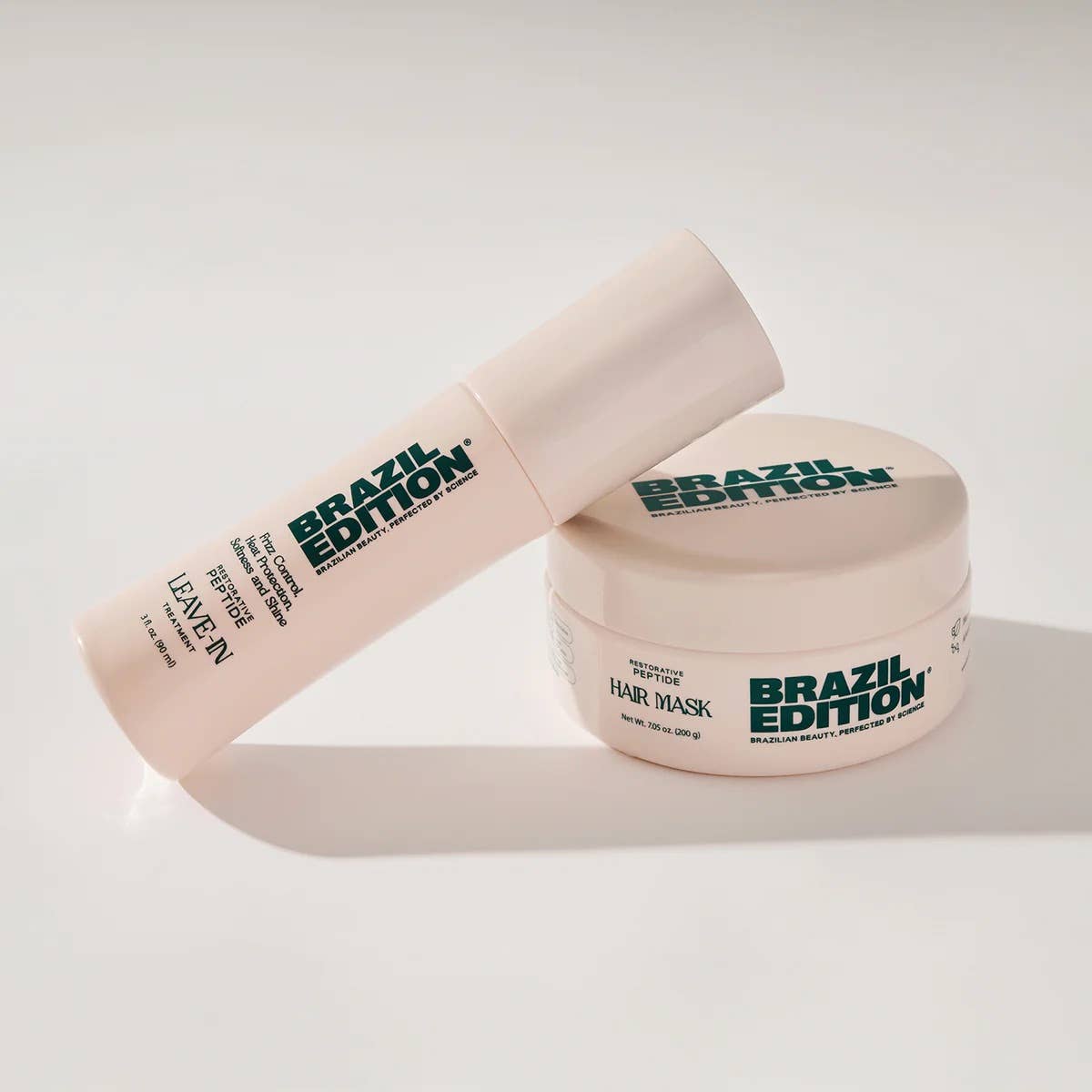
Access, or Lack of It
Beyond cost, access to the right partners has also become more constrained. As more manufacturers consolidate or prioritize larger clients, smaller brands are often pushed to the margins.
“As labs and contract manufacturers become more corporate or PE-owned and more risk-averse, they are less likely to take on newer brands,” says Charlene Valledor, co-founder of brand incubator SOS Beauty.
Even when access exists, it comes at a cost. “If you want access to labs with real experience, credentials and a proven track record, you’ll certainly pay a premium,” notes Henderson.
For founders, that dynamic is changing how partnerships are built. “Brands are becoming more collaborative with labs,” says Isha Simaga, founder of fragrance brand Siru, pointing to a shift toward long-term relationships rather than transactional production.
At the same time, alignment has become just as important as access. Aziza El Wanni, founder of The Potion Studio, says founders are becoming more intentional about who they partner with, focusing on shared standards and long-term vision rather than speed.
Related: Indie Beauty Founders Are Getting Really Real About the Challenges They’re Facing
Retail Is No Longer the Shortcut
Retail was once considered a primary driver of scale. Today, it’s something brands must be ready for before they enter.
“Partnering with a retailer has become more of a marketing lever than a true scaling engine,” says Cosmette Skincare Co-Founder Tara Fankhanel. And the retail game isn’t an easy one. “Retailers expect a lot more upfront now,” says Moody. “It’s not just about having a great product — you need strong branding, proven sell-through, marketing support and the ability to keep shelves stocked.”
Photo: Courtesy of Cosmette Skincare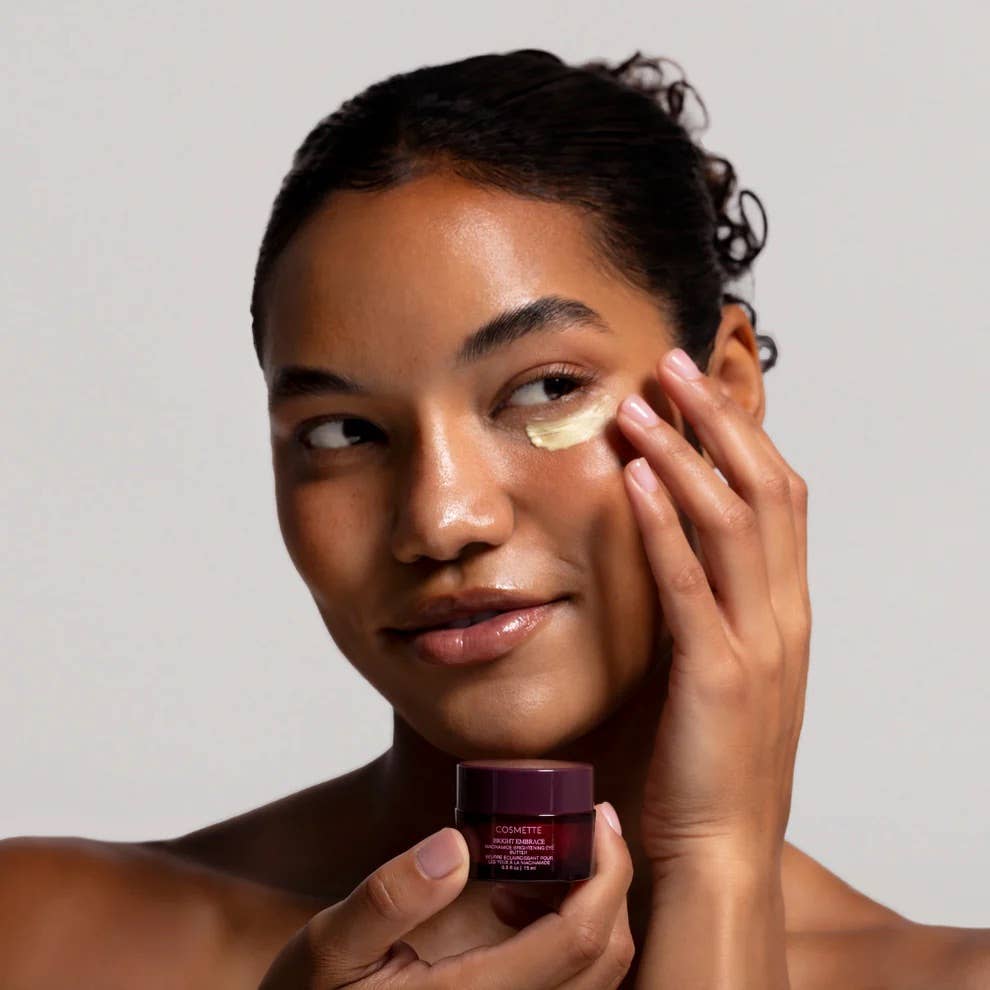
For Reshona Jessamy, founder of Novara Beauty, that has changed how she approaches expansion. “Growth, for us, is not about being everywhere, it’s about being in the right places,” she says.
Even founders preparing to enter retail are moving cautiously. Simaga says expansion is a long-term goal for her budding perfume brand, but only once the infrastructure is in place to support it without compromising brand integrity.
The Global Pressure Layer
Tariffs and shifting trade policies have added another layer of complexity to scaling, particularly for brands operating across multiple markets.
Lisa Hanna, founder and CEO of her namesake skin-care brand, says the industry is undergoing a “fundamental recalibration” in how brands approach expansion. “Every decision — where you manufacture, how you move product, which markets you prioritize — is now directly tied to policy environments that are constantly evolving,” she explains.
For founders, that means building for resilience rather than speed. Jessamy says tariffs have forced Novara Beauty to make intentional pricing decisions while protecting product quality. At The Potion Studio, El Wanni takes a similar approach, focusing on long-term sourcing strategies rather than reacting to short-term cost fluctuations.
Related: Why Mid-Priced Beauty Brands Are Feeling the Squeeze
The Widening Gap
Taken together, these pressures are widening the gap between independent brands and conglomerate-backed ones with significant funding. “Well-funded brands can launch faster, produce more and invest heavily in marketing,” says Moody. Independent brands, by contrast, are forced to be more selective and often grow more slowly.
The difference is visible in everything from inventory depth to retail presence. “If two brands are equally strong in the market, the one with deeper pockets can place larger inventory orders, weather supply chain issues and attract top talent,” says Henderson.
At the same time, consumer demand for independent brands continues to grow. “Consumers are looking for authenticity, transparency and a clear point of view,” says Fankhanel. But demand alone does not guarantee scale.
Related: Is Private Equity’s Involvement in Beauty Stifling Brand Individuality?
A More Intentional Future
Ultimately, the current environment is forcing a shift in how growth is defined. Instead of chasing rapid expansion and fast-track exits, many founders are focusing on sustainability, discipline and long-term brand building.
Scaling a beauty brand today is not just about having a great idea, it’s about navigating a system that has become more expensive, more complex and more competitive at every level. The barrier to entry may be low, but the barrier to growth has never been higher. In a category built on creativity and access, growth is no longer just about having a point of view, it’s about having the resources to sustain it.


