



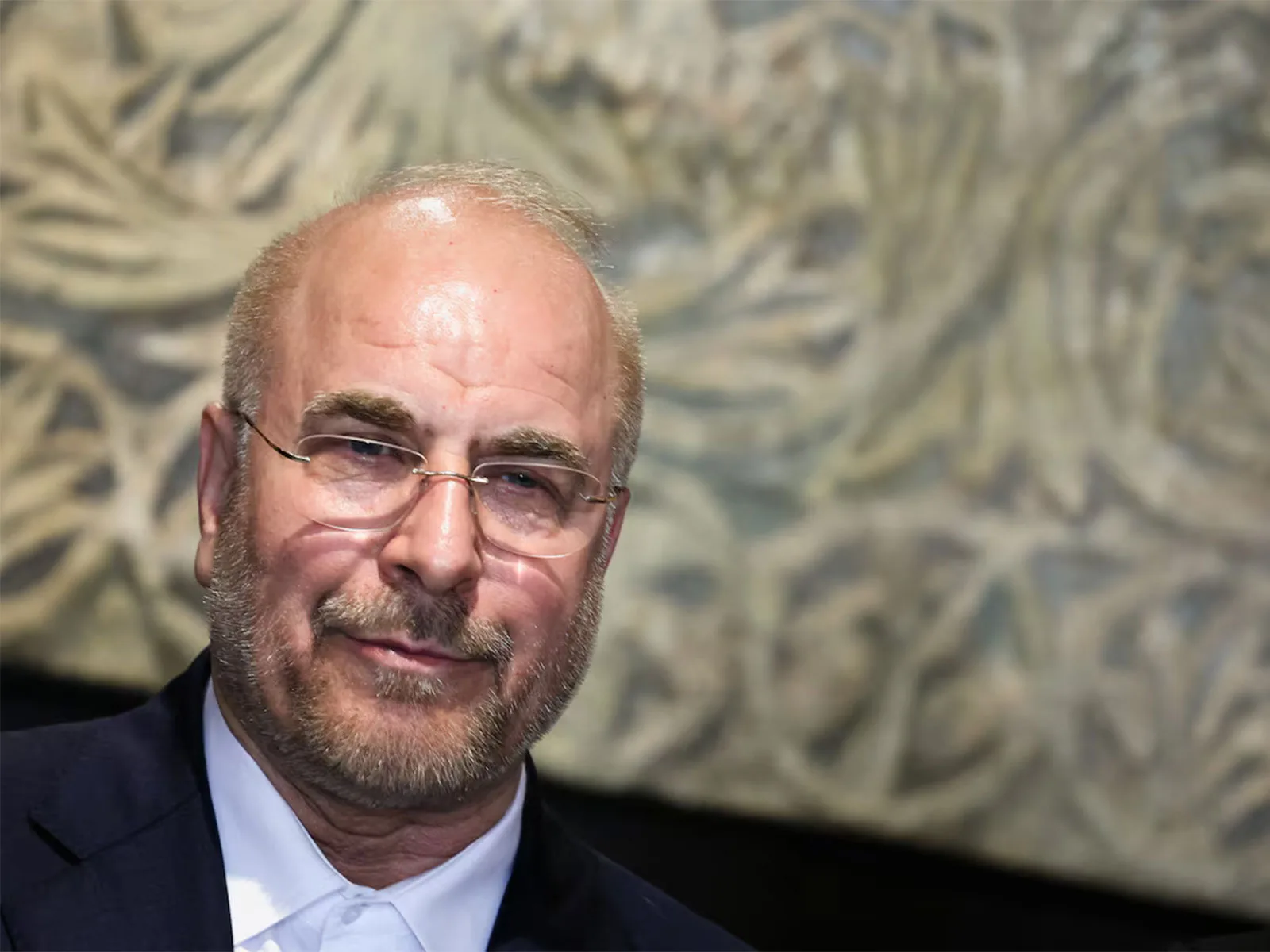
In an interview with Al-Araby Al-Jadeed media outlet, Qalibaf addressed questions regarding reactions countries in Iran’s neighbourhood on Tehran’s retaliatory strikes. “Let me set aside pleasantries, it was we who did not expect the soil of our southern neighbours to be used for aggression against Iran, compelling us to defend ourselves,” he remarked.
The Speaker criticised the presence of foreign military installations in the region, suggesting that the very “bases given to America to create security” for those nations had ultimately betrayed them and become a “source of insecurity.”
According to Press TV, Qalibaf’s comments come in the wake of the unprovoked conflict that began on February 28, following US and Israeli strikes that resulted in the killing of Ayatollah Seyyed Ali Khamenei and several high-ranking military commanders.
Since the outbreak of hostilities, Iran has launched extensive missile and drone operations against Israeli-occupied territories and US regional bases. Qalibaf asserted that while Washington claimed these bases were for regional safety, they were instead used to strike Iran, “forcing us to respond.”
“America initiated the insecurity from the soil of these countries, and it is natural that we, in an existential war, are compelled to defend ourselves,” the state broadcaster Press TV quoted him as saying.
He noted that during a previous 12-day conflict, Tehran had consciously avoided involving its neighbours until Washington became a direct participant.
Regarding the future of the region, Qalibaf maintained that Iran “will not return to pre-war conditions.” He emphasised that while Tehran is forced to defend its territory, regional stability should be managed by local nations without “foreign interference.”
Press TV reported that the Speaker expressed a readiness for permanent security pacts with neighbouring states to provide a “guarantee for both sides” and protect regional investment.
However, he remained firm on the conditions for a halt in combat, stating, “We will not accept ceasefire until enemy repents.”
He argued that a truce is only logical if it does not merely offer the adversary a chance to “resolve its problems, such as the destruction of radars or a shortage of interceptor missiles,” before resuming attacks.
He insisted that Tehran would only consider a ceasefire when the enemy showed genuine remorse and regional stability was assured.
Qalibaf further revealed that Iran had “prepared ourselves for a long war” and developed countermeasures to prevent the neutralisation of its operational abilities.
He claimed that Iran’s domestic technology allows for the rapid and cost-effective production of missiles and drones, far outpacing the enemy’s ability to manufacture interceptors.
Finally, addressing the transition of leadership following the killing of the former Leader, Qalibaf spoke on the message sent by the election of Ayatollah Mojtaba Khamenei.
According to Press TV, he stated that the world must understand that “Iran is neither Syria, whose leader would abandon the country and leave, nor Venezuela, which would submit to coercion.” (ANI)


