



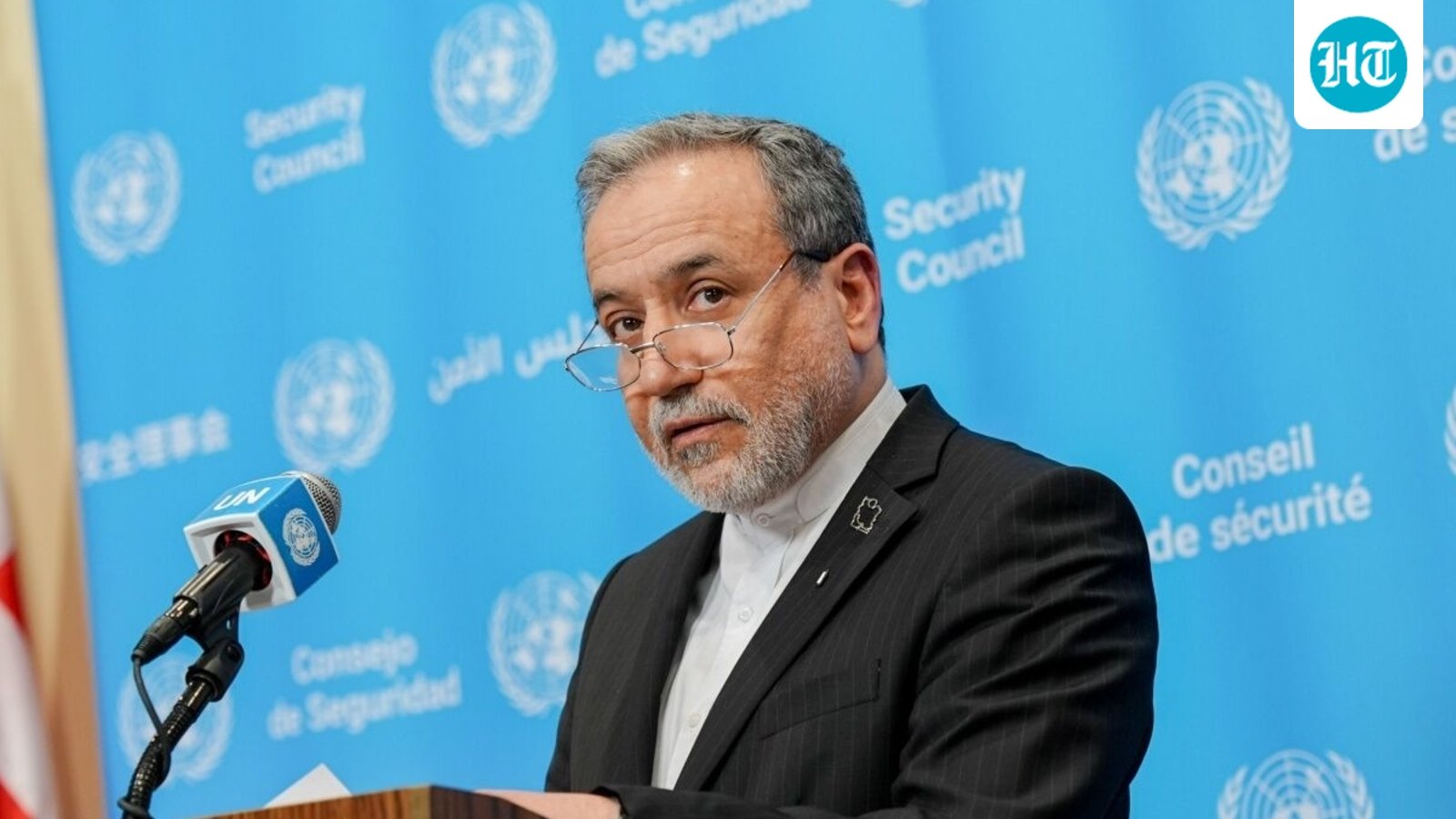
Iran would not change its policies even if the US and Israel attacked again, Iranian foreign minister Abbas Araghchi said on Sunday. He described the hostilities as a turning point in regional history and claimed that the Strait of Hormuz would not return to its pre-war status.
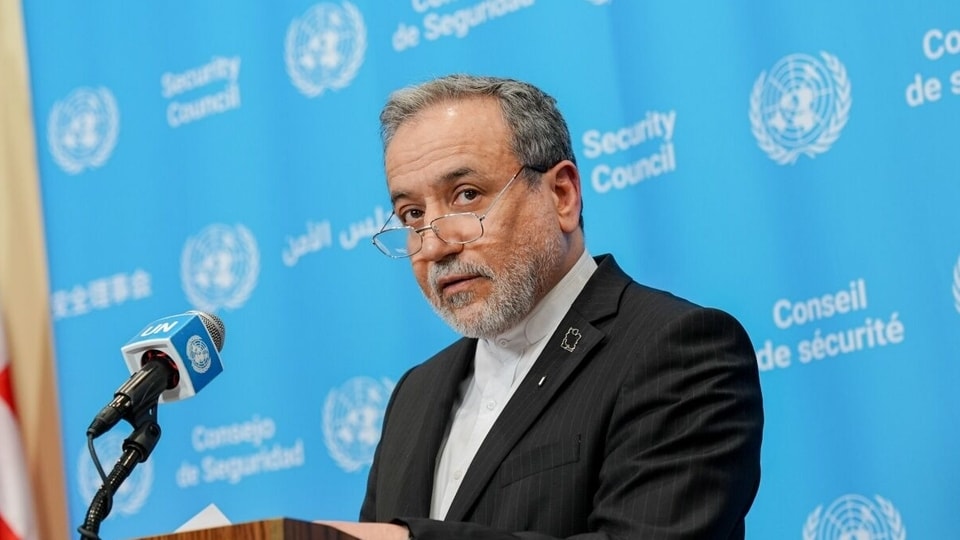
His remarks came as US President Donald Trump spoke of the possibility of fresh strikes against Iran while leaving the door open to a diplomatic agreement. Speaking at a televised event in Tehran, Araghchi said Iran was already looking beyond the ongoing war.
“Today, talk of war is resurfacing again, but…Whether war happens or not, our policies remain in place,” Araghchi said, as per AP.
“If there is any rationality, they will not try military action against Iran again,” he added. He added that the US and Israel already attacked Iran twice and would not achieve a different outcome by launching another offensive.
ALSO READ | Trump hints at fresh Iran strikes as Tehran denies offering deal to reopen Hormuz
“A new reality has taken hold in the region,” Araghchi said, adding that “nothing will be like it was in the past”.
He said the “Ramadan War” was a turning point for regional security. Araghchi claimed the war upended existing security arrangements and argued that any settlement must bring an end to hostilities on every front. “The end of this war must be across all fronts,” he said.
Hormuz will not return to pre-war status: Iran
Araghchi said the US-Israeli war fundamentally changed the regional security landscape, including the future of shipping through the Strait of Hormuz, a critical route for global energy supplies.
“The Strait of Hormuz will not be the same as before the 40-day war,” he said. Tehran has claimed control over the strategic waterway since the war began and has targeted vessels attempting to cross without its authorisation. Washington and regional countries have strongly opposed these actions.
ALSO READ | Iran’s threat to Gulf undersea cables and the network carrying nearly all international web traffic
The US has maintained a naval counter-blockade on Iranian ports in response.
Araghchi also claimed that Iranian forces destroyed more than 80 American aircraft and fighter jets during the fight. Nearly all had been hit by missiles while on the ground, he alleged.
“In this war, we destroyed more than 80 American aircraft and fighter jets, nearly all of which were hit by missiles on the ground,” he said.
Iranian attacks also obliterated nearly all American bases in the region and destroyed hundreds of buildings at those facilities, Araghchi claimed, according to Iran’s ISNA news agency. He also called for the removal of foreign forces from the region.
Trump hints at fresh strikes on Iran
Donald Trump floated the possibility of fresh attacks on Iran on Saturday. “Maybe tomorrow… There’s a possibility I will. There’s also a possibility we’ll have a nice, big, beautiful agreement,” he said.
Trump added that Iran wanted a deal but questioned whether Tehran would honour its terms.
Defending his administration’s military strategy in West Asia, Trump praised the US armed forces and claimed they had inflicted extensive damage on Iran’s military capabilities.
“We have done an amazing job. Our Navy and military have done an amazing job,” he said. Trump also claimed that 259 ships had been sunk and that Iran had been left grappling with record inflation.
On February 28, the US and Israel bombed Iran and assassinated their Supreme Leader and top officials. Tehran retaliated by striking US bases in the Gulf and shutting down the Strait of Hormuz. An April 8 ceasefire between Iran and the US halted the continuous bombardment. Tensions over the Strait of Hormuz and the naval blockade have continued.
A diplomatic framework agreed upon by the two sides in June later unravelled as both accused each other of violating its terms. Tehran has since called for a return to the agreement to secure a lasting settlement.
ALSO READ | Iranian plots to target US diplomats reach ‘advanced stages’, extend beyond Middle East: Report
Iran denies making new proposal through Pakistan
Iran has denied reports that it offered to reopen the Strait of Hormuz in exchange for Washington lifting its naval blockade.
Iran’s Tasnim news agency reported that Tehran had made no new proposal through Pakistani mediators. Press TV, citing sources quoted by Tasnim, described reports published by a Saudi media outlet as “a lie and fabrication”.
The Saudi outlet had reported that Iran conveyed a proposal to the US administration through Pakistan, offering to restore access through the strategic waterway if Washington ended its blockade.
