


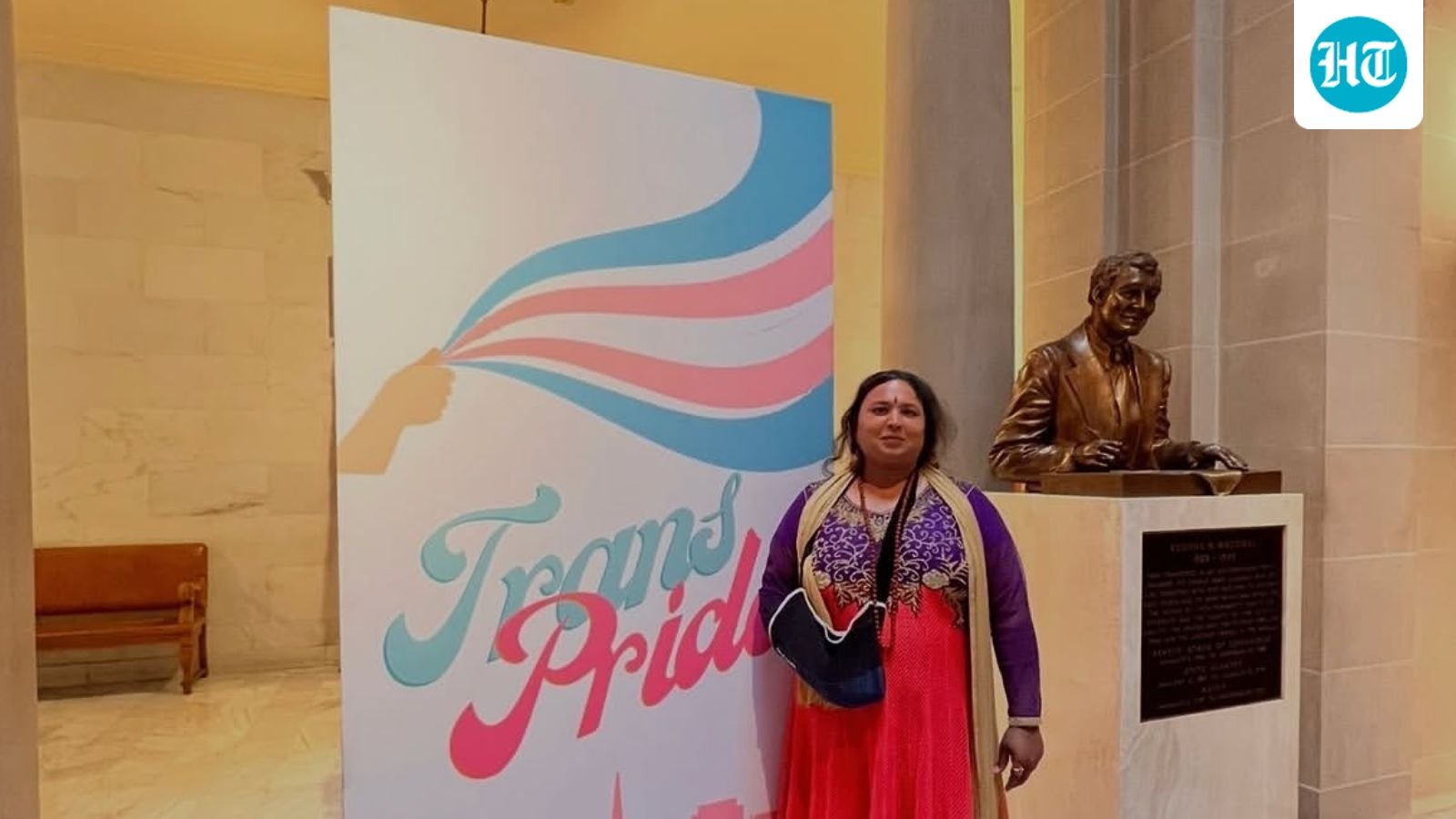
Anjali Rimi, an Indian-born transgender activist once lost her H-1B visa, became homeless after coming out, and rebuilt her life in the United States. Now, she is fighting to save one of the country’s only organizations dedicated to supporting transgender South Asian immigrants.
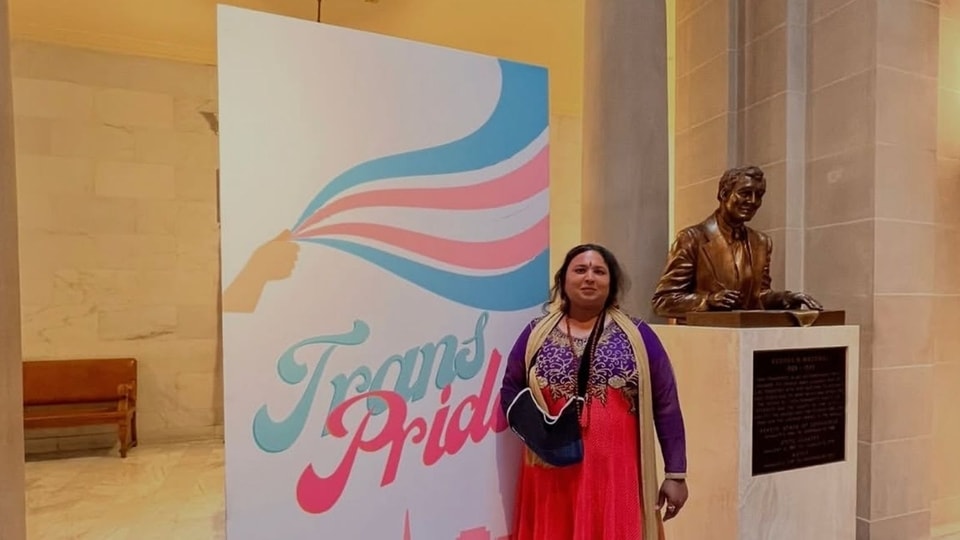
Rimi, who moved to the US from India in 2001 in search of better opportunities, says Parivar Bay Area, the nonprofit she co-founded in 2018, is on the verge of closure after losing key government funding. The funding crisis has forced the organization to suspend most of its programs since April, raising concerns for transgender immigrants and asylum seekers who rely on its legal, immigration and community support.
“I was jobless, homeless and stateless,” Rimi recalled while speaking about the period after she was fired from her job as a department store manager in San Francisco following her decision to come out as transgender. Losing her job also meant losing her H-1B visa, leaving her without legal status or financial security.
That experience, she says, shaped her mission to ensure other transgender immigrants would not face the same hardships.
From personal struggle to community lifeline
Parivar Bay Area was established to support transgender and gender-diverse immigrants from South Asia and other Global South countries. The organization serves members of communities including Hijra, Kinnar, Thirunangai, Mangalmukhi and Khwaja Sira, offering services tailored to the unique challenges they face.
Its programs include immigration and resettlement assistance, free or low-cost legal aid through a dedicated immigration clinic, career development and leadership training, emergency crisis support, and cultural events celebrating South Asian traditions such as Diwali.
According to Rimi, the nonprofit has helped more than 104,000 people worldwide since its founding, including nearly 50,000 across the San Francisco Bay Area.
Funding dries up
The organization’s future became uncertain after it lost city and state funding this year.
“Our public funding has not been awarded back to us, despite quantifiable and qualitative results and deliverables met for two fiscal years now,” Rimi said to local channel KALW. “Therefore our programming, which highly relied on public funding, has been stalled since April 2026.”
She said about 97% of Parivar’s funding since 2022 came from government sources, mainly through the City and County of San Francisco. A delayed state grant had helped sustain operations over the past two years, but those funds have now been exhausted.
As a result, nearly all of the organization’s core programs have been paused, although staff continue responding to urgent requests from transgender immigrants wherever possible.
Headquarters under threat
The funding shortfall also threatens Parivar’s headquarters on Turk Street in San Francisco, which opened less than a year ago during a Diwali celebration attended by local leaders.
“Our rent, if we want to continue to stay here, is now going back to market rate, four times more than what we are paying,” Rimi said.
The nonprofit has appealed to the San Francisco Mayor’s Office for immediate financial assistance, including the release of payments for work already completed while it seeks philanthropic and private grants to bridge the funding gap.
Following a meeting with city officials, Rimi said the mayor’s office confirmed that funds already owed to the organization would be released and expressed support for its long-term sustainability if it can survive the coming months.
A spokesperson for San Francisco’s Human Rights Commission told local media that the city remains committed to supporting immigrant and transgender communities and would continue working with Parivar.
Rising hostility
The financial uncertainty has coincided with a rise in anti-trans harassment directed at the organization and its founder on social media.
Rimi said the abuse reflects broader narratives targeting transgender people and immigrants but insisted it would not deter her work.
“I am not defeated,” she said. “Every person who walks through our doors looking for hope tells me that I need to keep going.”
She also urged people to support transgender and immigrant communities in whatever way they can.
“If not Parivar Bay Area, if not Anjali Rimi, you can support or show up, or if nothing else, be a silent ally to trans folks and immigrant folks,” she said.
For Rimi, the battle to keep Parivar alive is deeply personal. What began as an effort to spare others from the discrimination and homelessness she experienced after losing her H-1B status has grown into a lifeline for thousands of transgender South Asian immigrants. Whether that lifeline survives now depends on the organization securing emergency funding in the months ahead.
