



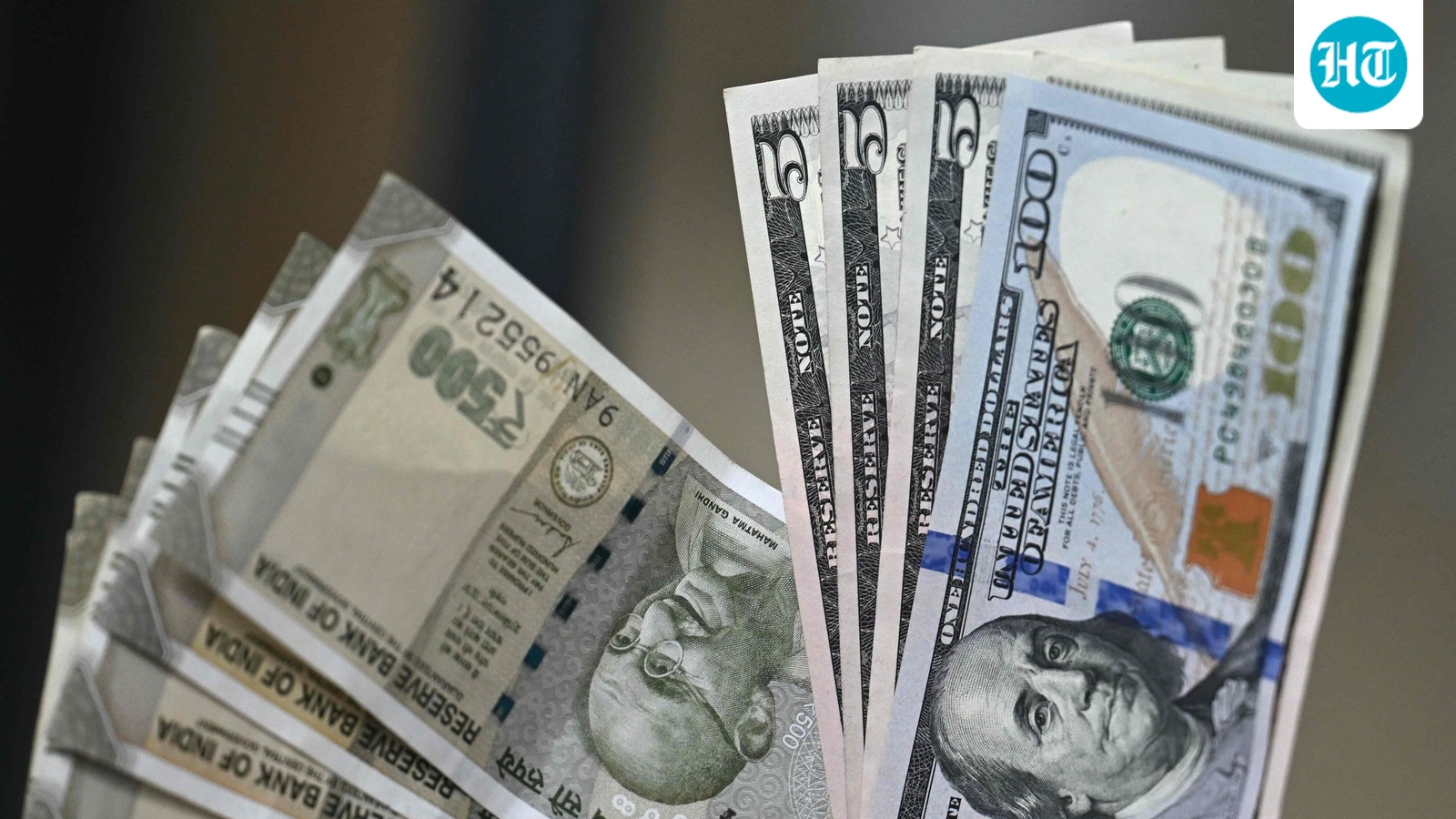
India and the US face renewed tariff tensions even as strategic cooperation deepened over the last decade. Recurring trade disputes, particularly at times of severe global crises, is a major irritant for both in the management of bilateral as well as global economies. More importantly, economic friction when colliding with geopolitical alignment has renewed the importance of sustained negotiation.

Since 2004, deepening strategic convergence has supported expanding commercial ties despite a persistent US goods deficit. Revised US Census data show that, in July 2025, US goods exports to India were $3.418 billion, while imports were $9.161 billion. Total bilateral trade in goods and services reached $241.66 billion in 2025. At the same time, shared concerns about China strengthened Indo-Pacific cooperation, illustrating how commercial friction and strategic alignment can coincide.
India’s central challenge is to manage persistent trade irritants without compromising its geopolitical interests. This requires focused negotiations, supply-chain diversification, and deeper cooperation in critical sectors such as pharmaceuticals, technology, energy, and defence.
US–India tariff tensions reflect a longstanding divide between India’s development-oriented economic policies and the American preference for freer trade. From the 1950s through the 1980s, India relied on high tariffs, licensing, and import substitution. Washington viewed these measures as trade barriers, while New Delhi defended them as necessary for industrialisation, economic sovereignty, and protection of infant industries.
After the 1991 economic reforms, India progressively lowered barriers and opened its market to US goods. The 2008 civil nuclear agreement accelerated strategic ties, while expanding commerce added economic weight to the partnership.
Deeper engagement, however, did not eliminate trade friction. Disputes and negotiations continued across agriculture, textiles, pharmaceuticals, medical devices, information technology, intellectual property, and industrial goods. Since 2000, many disagreements have entered the WTO framework, showing that growth in commercial ties has not displaced protectionist pressures in either country.
The conflict is more than an economic quarrel. It illustrates differing issues that have produced prolonged negotiations. Both approach it differently: While Washington combines market-access demands with forceful bargaining, India responds through pragmatism, selective resistance, and cooperative signaling. The sharpest escalation came during the first Trump administration.
In 2018, the US imposed national-security tariffs on steel and aluminium, including imports from India. New Delhi retaliated against selected U.S. products, including almonds, apples, and walnuts. In 2019, Washington removed India from the Generalised System of Preferences, ending duty-free access for several Indian exports and intensifying bilateral bargaining.
India has recently agreed to lower or remove tariffs on a variety of US industrial items, agricultural products (including tree nuts, fruits, and soybean oil), and technological products as part of an ongoing interim trade agreement.
Recurring tariff disputes thus test whether both sides can balance commercial interests with their geopolitical partnership and sustain bipartisan support for Indo-US relations in both countries.
Due to recent changes in US trade policy and legal modifications, the US currently imposes a temporary 10% duty on numerous qualified Indian imports. The decrease to 10% came after India changed its foreign trade regulations pertaining to supply chain norms, substituting the high punitive rates associated with former trade and oil disputes.
Current pressures also reflect links between supply-chain shifts, competition with China, energy security, and India’s Russian oil purchases. The Lindsey O Graham Sanctioning Russia and Iran Act of 2026 passed the Senate 86–11 on August 7 and the House 262–159 on September 16. It authorises tariffs of up to 100% on major buyers of Russian energy. Although India is not singled out, the measure could constrain its effort to secure affordable supplies.
The US nevertheless remains a major export market and a vital partner in defence, critical technologies, space, education, semiconductors, critical minerals, and Indo-Pacific cooperation. India must therefore protect its export interests while preserving strategic autonomy and preventing trade disputes from weakening the broader relationship.
India has reiterated its obligation to provide 1.4 billion people with energy security. It has promised to safeguard national economic interests in conjunction with industry while informing US interlocutors of the law’s potential effects on bilateral relations and international energy markets. While maintaining firmness, this balancing approach should refrain from escalatory rhetoric.
India should refine this approach through five mutually reinforcing measures.
First, pursue targeted negotiations. India should seek product-specific exemptions or lower duties where its exports support US consumers and supply chains. Priorities include textiles, pharmaceuticals, gems and jewellery, leather, marine products, engineering goods, and auto components.
Second, keep retaliation selective. Retaliation may raise input costs, burden consumers, and disrupt US technology, investment, defence, and education links. Tariffs should remain a calibrated negotiating instrument rather than an automatic reaction.
Third, protect vulnerable exporters while improving competitiveness. Labour-intensive and MSME-heavy sectors need time-bound support through faster tax refunds, working-capital assistance, export-credit guarantees, logistics support, and export insurance. Relief should cushion sudden order losses without becoming a permanent subsidy and should accompany reforms in productivity, infrastructure, and standards.
Fourth, diversify markets and deepen political engagement. India should expand trade with the EU, UK, UAE, Australia, Japan, Africa, and Southeast Asia. Simpler rules-of-origin procedures, MSME guidance, export help desks, and quality-certification support would improve use of trade agreements. Additionally, continued engagement with the US Congress, industry, and policy institutions can sustain support for the partnership.
Fifth, expand sectoral cooperation. Pharmaceuticals, semiconductors, critical minerals, clean energy, digital technology, and defence manufacturing offer scope for joint production, trusted supply chains, and regulatory coordination that favour stability over recurring tariff confrontation.
US-India trade friction is longstanding, but commercial trade and investments are embedded in a strategic partnership. India should, therefore, combine negotiation, selective retaliation, exporter support, market diversification, competitive reforms internally while enhancing critical-sector cooperation with strategic partners such as the US. This approach would protect exports while preserving strategic autonomy and the relationship’s value.
(The views expressed are personal)
This article is authored by K P Vijayalakshmi, professor and head of the Department of Geopolitics and International Relations, Manipal Institute of Social Sciences, Humanities and Arts, Manipal Academy of Higher Education.
