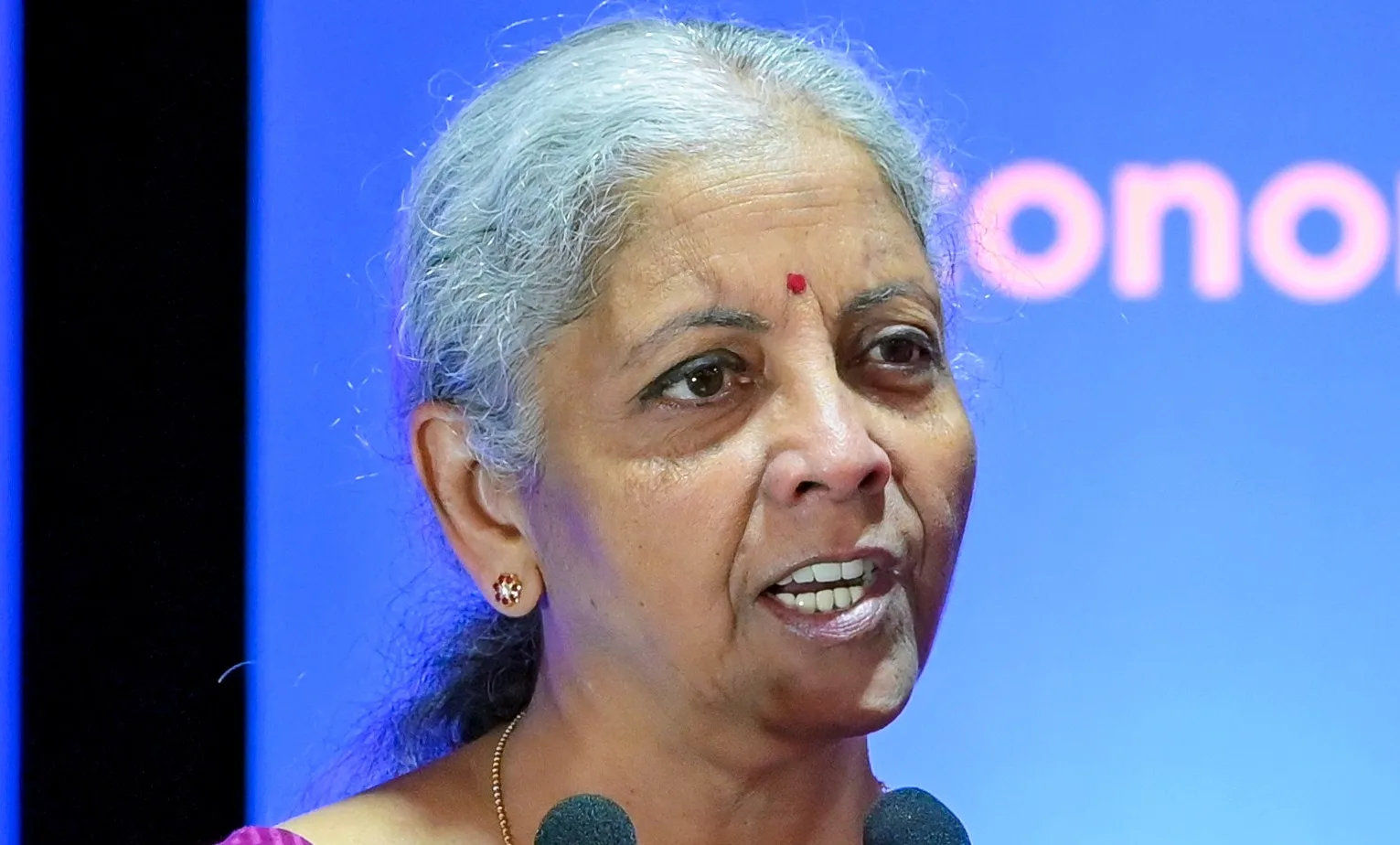
She emphasised that India is not merely waiting for international aid but is proactively investing its own resources to meet environmental goals.
“India has increased its commitment to the climate action. We were at something like 3.7 per cent of our GDP six years ago… but today, we are somewhere close to 5.6 per cent. So more than doubled in a matter of six years,” the Finance Minister stated.
She noted that while India continues to seek global technology and funds, it has moved forward with its own money to achieve its nationally determined commitments. She also highlighted the challenges faced by other regions, noting that many African countries may struggle to reach such high levels of spending due to their own economic limitations.
Beyond spending, Sitharaman called for a balanced approach that focuses as much on resilience and adaptation as it does on emission control. She warned that failing to focus on adaptation could put human lives and livestock at risk. The Finance Minister argued that the global community must adopt a “polluter pays” principle, where the cost of climate action is shared fairly based on a country’s historical contribution to emissions.
“As much attention we give for the emission control, we need to look at resilience and adaptation. Second, technologies will have to talk to each other. And third, differentiated treatment for paying for it. It cannot be that countries which have less contributed to emission are made to pay equally,” she said.
Detailing India’s domestic efforts, Sitharaman pointed out that the country is well ahead of its renewable energy targets, having achieved two-thirds of its commitments four years earlier than planned. She also mentioned that the Union Budget 2026-27 provides specific funding and incentives for carbon capture strategies. These technologies are being encouraged across the mainland and in remote areas to help businesses reduce their carbon footprint while supporting India’s transition to a greener economy. (ANI)