



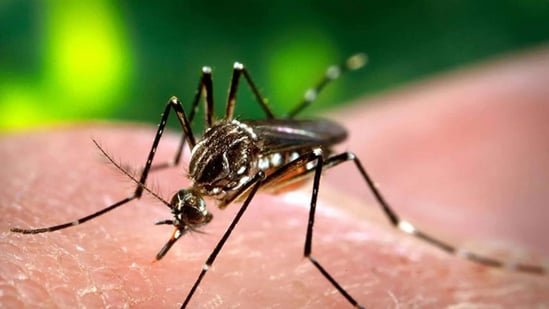
With dengue continuing to pose a major public health challenge during India’s monsoon season, the approval of QDENGA, the country’s first dengue vaccine, marks a significant milestone in disease prevention. Developed by Takeda, the vaccine has been approved for people aged 4 to 60 years and is designed to protect against all four dengue virus serotypes.
While the approval offers new hope in reducing severe illness and hospitalisations, many questions remain about who should get vaccinated, how effective it is, whether it is safe for everyone and if mosquito precautions are still necessary. HT Lifestyle reached out to infectious disease experts to answer these key questions and explain what the vaccine means for India’s fight against dengue. (Also read: ‘Your heart is begging you to stop these 15 habits’: Cardiologist Dr Sanjay Bhojraj shares simple lifestyle changes )
Who can take it and how effective is it
According to Dr Devashish Desai, Consultant, Infectious Diseases at Ruby Hall Clinic, Pune, “QDENGA is India’s first approved dengue vaccine, making it a significant milestone in the country’s efforts to reduce the burden of dengue. Developed to protect against all four dengue virus serotypes, it has the potential to lower the risk of severe disease, hospitalisation and dengue-related complications.”
He explains that the vaccine is approved for individuals aged 4 years and above and is administered in two doses, with the second dose given three months after the first. “People should consult their healthcare provider to determine whether the vaccine is appropriate for them,” he says.
Dr Desai notes that while the vaccine has demonstrated strong efficacy, it should not be viewed as complete protection against dengue.
“Clinical studies have shown that QDENGA provides good protection against symptomatic dengue and significantly reduces the risk of severe disease and hospitalisation. However, like most vaccines, it does not guarantee 100% protection, and its effectiveness may vary depending on the dengue virus serotype and individual immune response,” he explains.
Despite vaccination, experts stress that people should continue taking precautions against mosquito bites.
According to Dr Desai, “Even after receiving the vaccine, people can still develop dengue, although the illness is generally expected to be less severe. It is essential to continue preventive measures such as using mosquito repellents, wearing full-sleeved clothing, eliminating stagnant water and sleeping under mosquito nets where necessary.”
He adds, “Vaccination should complement, not replace, existing dengue control measures. Community awareness, early diagnosis, prompt medical care and effective mosquito control remain critical in reducing the impact of dengue, especially during the monsoon season.”
How does it work
Explaining how the vaccine works, Dr Aishwarya R, Consultant – Infectious Diseases, Aster RV Hospital, Bengaluru, says, “India has approved QDENGA (TAK-003), marking a significant step forward in the country’s ongoing fight against dengue. Developed by Takeda, it is the first dengue vaccine approved in India and is designed to protect against all four dengue virus serotypes—DENV-1, DENV-2, DENV-3 and DENV-4.”
She explains that the vaccine is approved for people aged 4 to 60 years and is given as two doses, three months apart, with no requirement for blood tests before vaccination.
“In simple terms, the vaccine teaches the immune system to recognise and respond to the dengue virus before it causes serious illness. It stimulates the production of protective antibodies and immune cells so that if a person is exposed to the virus later, the body can respond more quickly and effectively,” she says.
Dr Aishwarya points out that dengue infection with one serotype does not protect against the remaining three.
“This is important because infection with one dengue serotype does not provide immunity against the other three, and subsequent infections may increase the risk of severe dengue in some individuals,” she says.
She adds, “Clinical data have shown around an 80% reduction in symptomatic dengue and nearly a 90% reduction in hospitalisation during the first year after vaccination, with protection lasting up to 4.5 years. By reducing severe disease and dengue-related complications, the vaccine could also ease the burden on families and healthcare systems during seasonal outbreaks.”
Who should avoid the vaccine and why
Dr Aishwarya cautions that QDENGA is a live attenuated vaccine and may not be suitable for everyone. “Because it is a live vaccine, it is not recommended during pregnancy or for people taking immunosuppressive medications,” she says.
She concludes, “Vaccination should be seen as an additional layer of protection, not a replacement for mosquito control. Eliminating mosquito breeding sites, using insect repellents, wearing protective clothing and seeking medical attention promptly if symptoms such as persistent fever, severe headache or bleeding develop remain essential.”
Dr Devashish Desai is a well-known General Physician currently associated with Ruby Hall Clinic, Hinjawadi. He has 10 years of experience in Internal Medicine. He did his MBBS from Kasturba Medical College, Manipal in 2015. Further, he pursued his MD General Medicine and DM in Infection Diseases from All India Institute of Medical Sciences in 2018 and 2022, respectively.
Dr. Aishwarya completed her MBBS from Bangalore Medical College and Research Institute in 2014. She pursued a 6-year integrated DM in Infectious Diseases from the All India Institute of Medical Sciences – New Delhi, which she graduated with a Gold Medal. She has served as Consultant Infectious Diseases at Apollo Hospitals, Ahmedabad and U N Mehta Institute of Cardiology and Research Centre, Ahmedabad during 2023 and 2024.
Note to readers: This article is for informational purposes only and not a substitute for professional medical advice. Always seek the advice of your doctor with any questions about a medical condition.


