




Since the 1950s, teen magazines have helped young people — girls, especially — navigate the rollercoaster that is adolescence. By the late ’90s, they reached a sort of peak, with titles like Seventeen, Sassy, YM, CosmoGirl, Tiger Beat, Teen and Teen People flying off newsstands. But with the sharp rise of digital content between 2004 and 2010, teen media all but faded away. Tavi Gevinson then made a formidable attempt to bring it back in a modern, digital-meets-analog format with Rookie, but even that met its end by 2018.
While growing up, Millennials managed to experience a bit of both worlds: print magazines and social media, landlines and iPhones, CDs and streaming apps. But for those born after Y2K, the world was digital-first. With (seemingly) everything in the palms of their hands, teens have had less motivation to pick up a glossy IRL, hence the medium’s sharp decline. At the same time, beloved youth-focused media titles remained part of the cultural conversation, if only due to Millennial nostalgia. And today, teen-focused content is on an upswing once again.
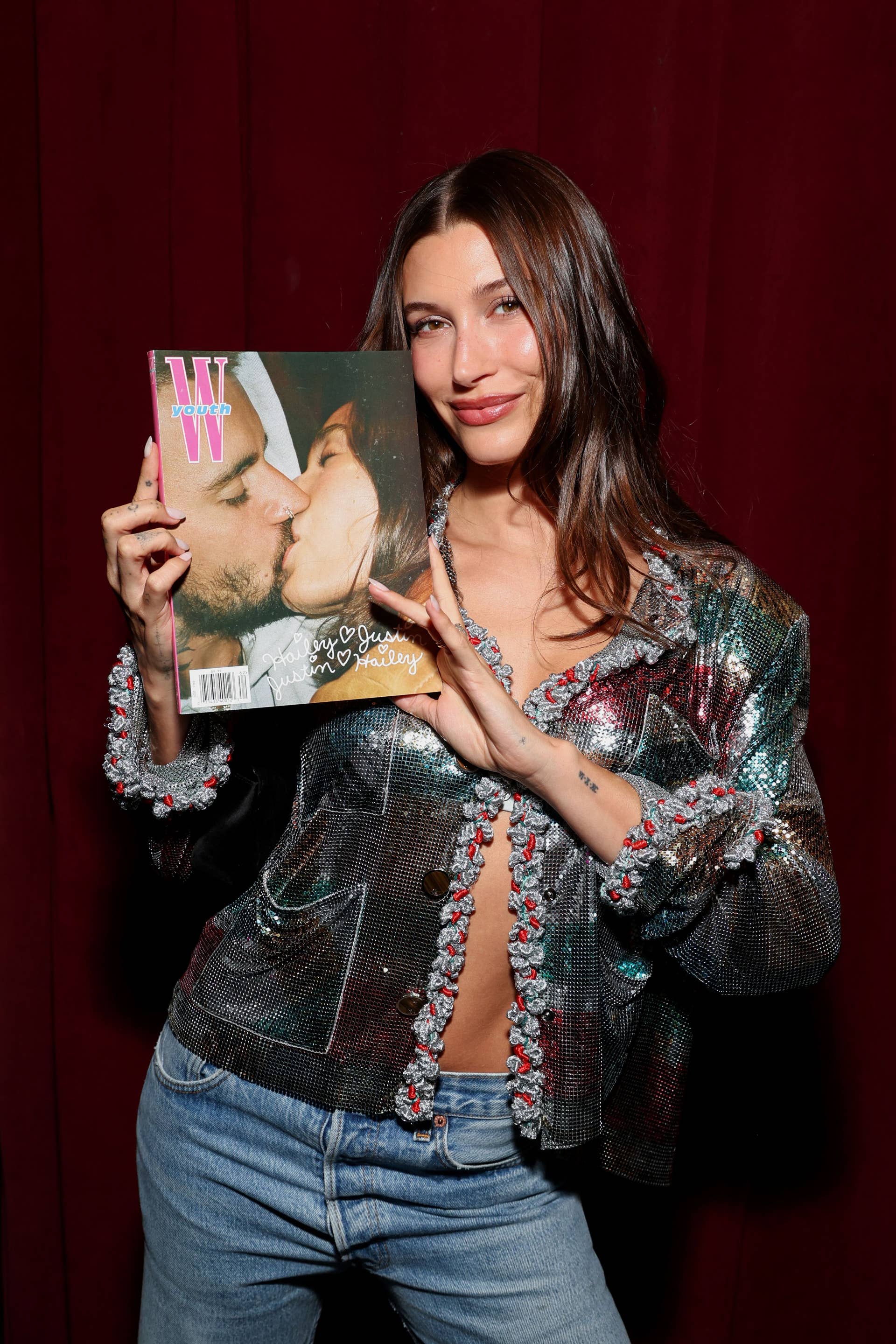
Photo: Jerritt Clark/Getty Images for W Magazine
In April, W’s Editor-in-Chief Sara Moonves announced a new publication, WYouth. With New York-based creative director Ava Nirui at its helm, the first print issue hit newsstands on Sept. 15. “The idea came from a conversation with Sofia Coppola and Moonves where we were thinking about the magazines we grew up with when we were teenagers. They were so influential and shaped all of the things we were obsessed with,” Nirui said in a press release. “We want to bring back that spirit, but for today.’’
Moonves and Nirui aren’t the only ones: In August, fashion media vet Paula James-Martinez launched Cuqui, a print magazine described as “a place for girlhood that looks you in the eye.” Meanwhile, the few remaining teen legacy titles are being reinvigorated by fresh leadership: At Condé Nast, Alyssa Hardy is leading a new era of Teen Vogue’s digital coverage following the brand’s consolidation into Vogue last year; and at Hearst, Seventeen is now led by the all-too-savvy Willa Bennett, who also oversees Cosmopolitan.
All of them are on a mission to prove that teen magazines are relevant and necessary again — and maybe they are, more than ever.
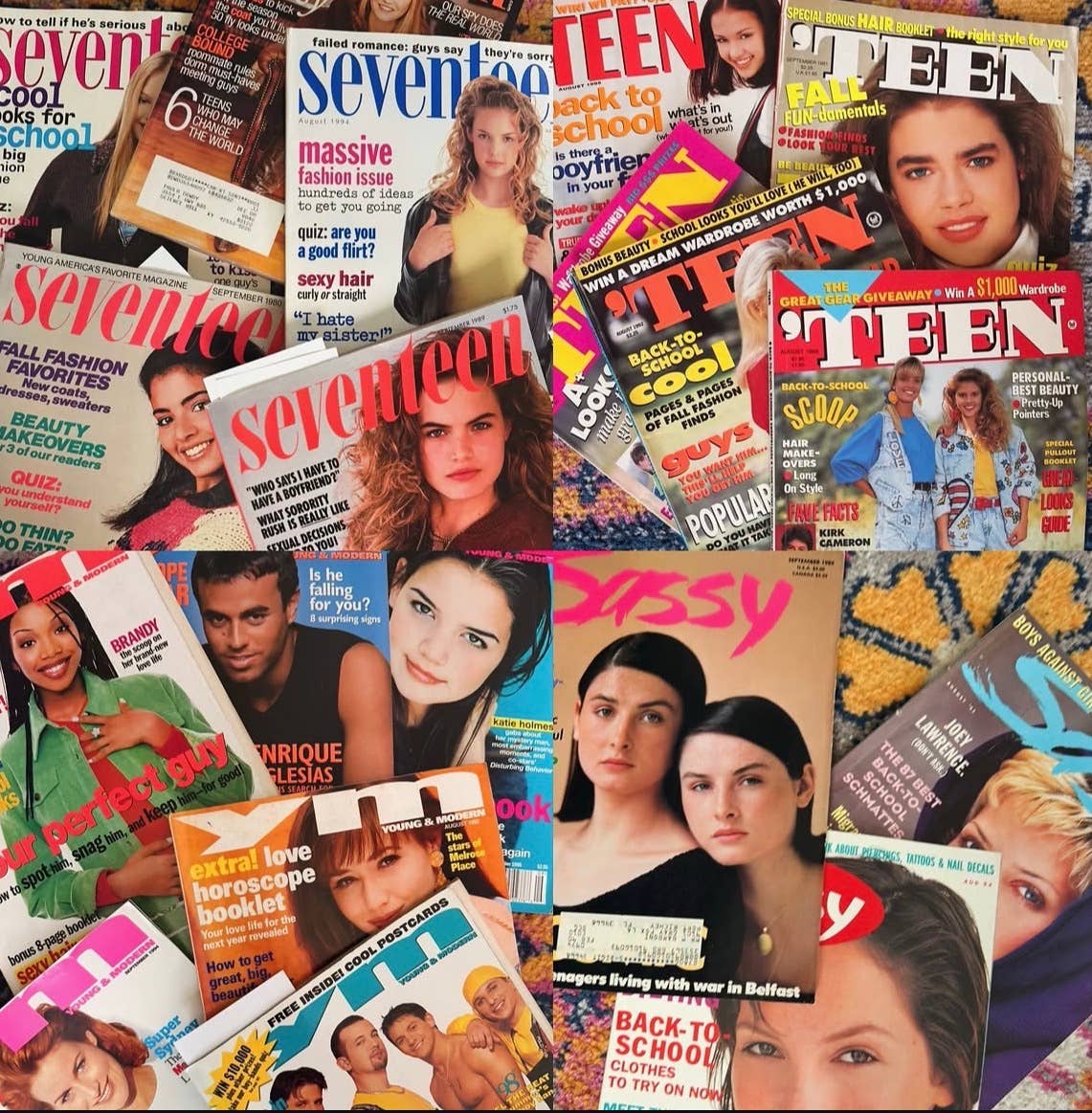
According to Morgan Baden, creator of the archive account @teenmagazinemuseum, Millennial nostalgia and a certain escapism play a big role in this budding revival. “The world is in a lot of flux, and revisiting things we loved — especially physical items like magazines, which haven’t been as accessible as other old media — is a way to escape,” she says.
Baden started collecting teen magazines when her daughter was born and postpartum hormones sparked a wave of nostalgia. “I was delighted to discover that an entire industry existed in places like eBay and Etsy,” she recalls. “I bought a few Teens and had so much fun rereading them that I began collecting Seventeen, Sassy and YM.” Eventually, she decided to showcase her compilation on Instagram with @teenmagazinemuseum, which now has 25k followers and also operates through Substack and Threads.
When reflecting on the teen magazines that shaped her, Baden holds two truths: She reveres them and, simultaneously, recognizes their limited perspectives, guided by whiteness, thinness and heteronormativity. “At their worst, they made us feel bad about our bodies, faces, hair, who we were attracted to and what that might mean, what we could afford to buy and the hidden worries we had about what people thought of us,” she admits. “But at their best, they were a lifeline, answering questions we didn’t think we could ask, normalizing the strange things puberty was doing to us, and showing us a version of young adulthood less scary than what other media showed us.”
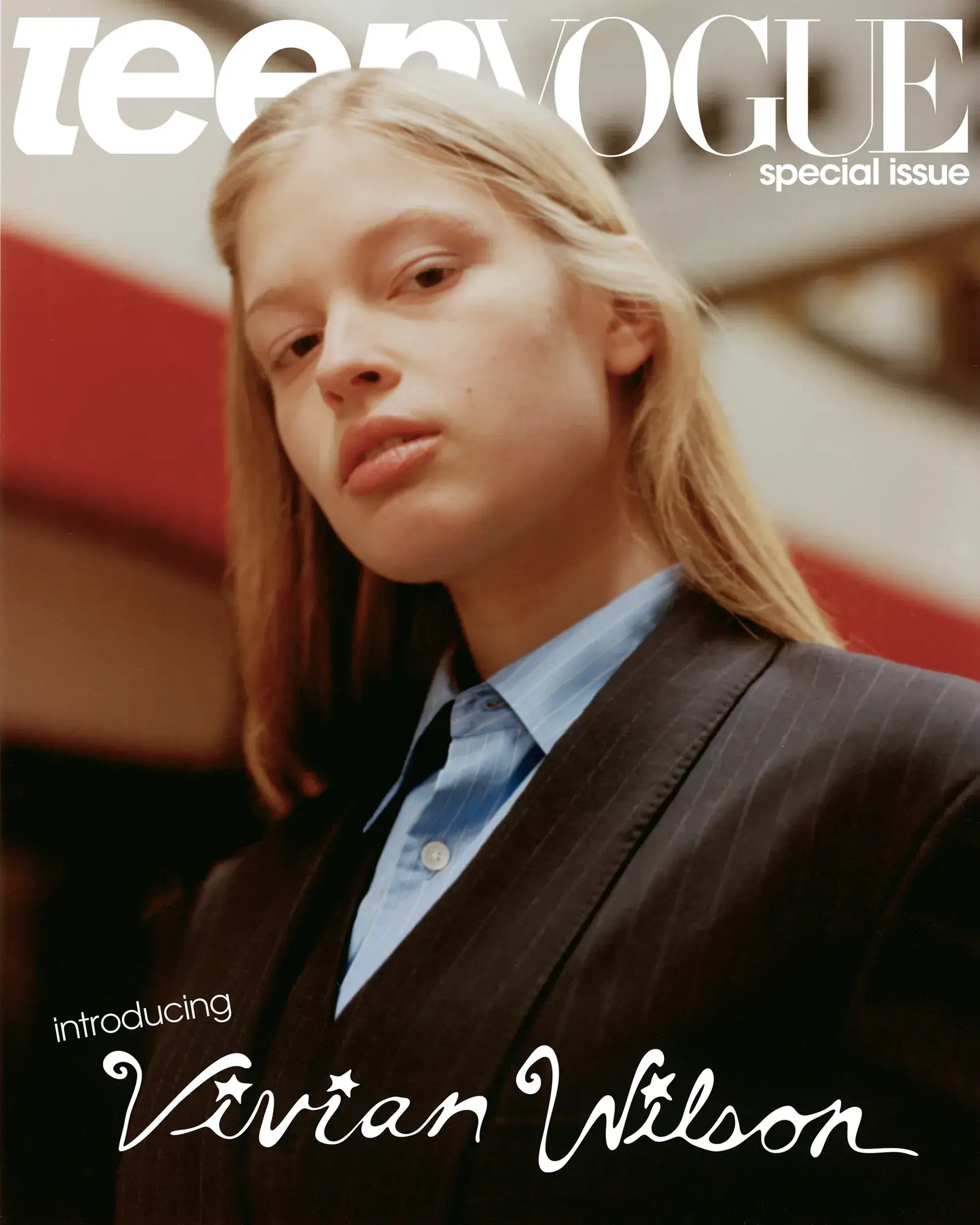
Photo: Andy Jackson/Courtesy of Teen Vogue
Since the peak of teen magazines, cultural conversations have evolved, and so has the media surrounding them. Today, Teen Vogue covers topics like a luxury fashion group investing in youth sexual violence prevention and puts transgender Gen-Z icons like Alex Consani and Vivian Wilson on its covers, while Seventeen spotlights BIPOC stars with its recent digital issue focused on fandoms.
Millennials are largely responsible for ushering in the comeback of teen magazines, but they are doing so in the name of subsequent generations. “Millennials remember how important teen media was for them and see that today’s younger generation needs that too,” says Hardy, Teen Vogue’s digital director. “Young people deserve media that reflects them in different ways while still being curated.”
Despite now operating under Vogue’s digital umbrella, Teen Vogue keeps its coverage deeply rooted in the youth and their priorities, Hardy says. “Whether it’s a celebrity or a fashion brand or a game or a book, it’s important to them and then to us,” she continues. “Their perspective is important; the issues they care about are important. We want to show just how exciting all of those things can be.”Despite now operating under Vogue’s digital umbrella, Teen Vogue keeps its coverage deeply rooted in the youth and their priorities, Hardy says. “Whether it’s a celebrity or a fashion brand or a game or a book, it’s important to them and then to us,” she continues. “Their perspective is important; the issues they care about are important. We want to show just how exciting all of those things can be.”
Now more than ever, young people are looking for places where they can explore who they are without any limitations, according to Seventeen’s Bennett. “Gen Z and Gen Alpha are constantly being told who they should become by algorithms, influencers and social platforms,” she says. “They’re being served versions of themselves before they’ve had the chance to discover who they actually are. We ought to ask to our readers: ‘Who do you want to become?'”
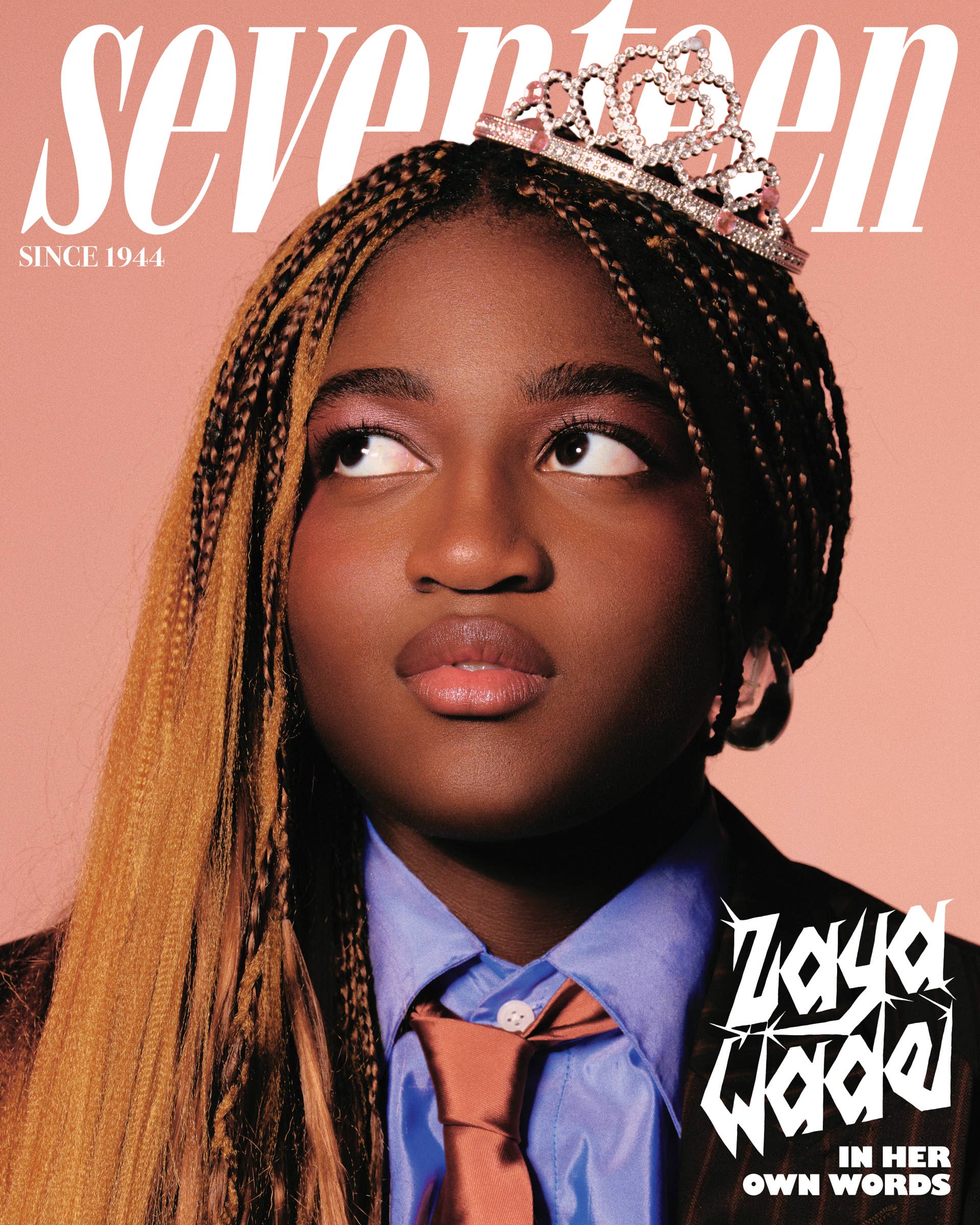
Photo: Alex G. Harper/Courtesy of Seventeen
Bennett grew up reading both magazines she now oversees, making her job a full-circle, pinch-me moment. “I want to preserve the special feeling I got when I read them as a teen, but I want to reimagine that experience,” she argues. Besides championing LGBTQ+, mid- and plus-size, and Black voices, Bennett extends the experience beyond print, now involving YouTube, newsletters, TikTok and live events. “The magazine is no longer confined to the page; it’s an ecosystem,” she notes.
Cuqui’s James-Martinez approached things differently by founding her own, print-only monthly magazine. Growing up in the U.K., she was head over heels for Dazed and Confused, which she began working for at 19. After stints at Dazed, Purple and Refinery29, she noticed a void for teen-friendly spaces, especially one “that isn’t exposing them to predatory algorithms.” That led her to launch Cuqui alongside an editorial board that includes alumni of Teen Vogue, Nylon and The New York Times.
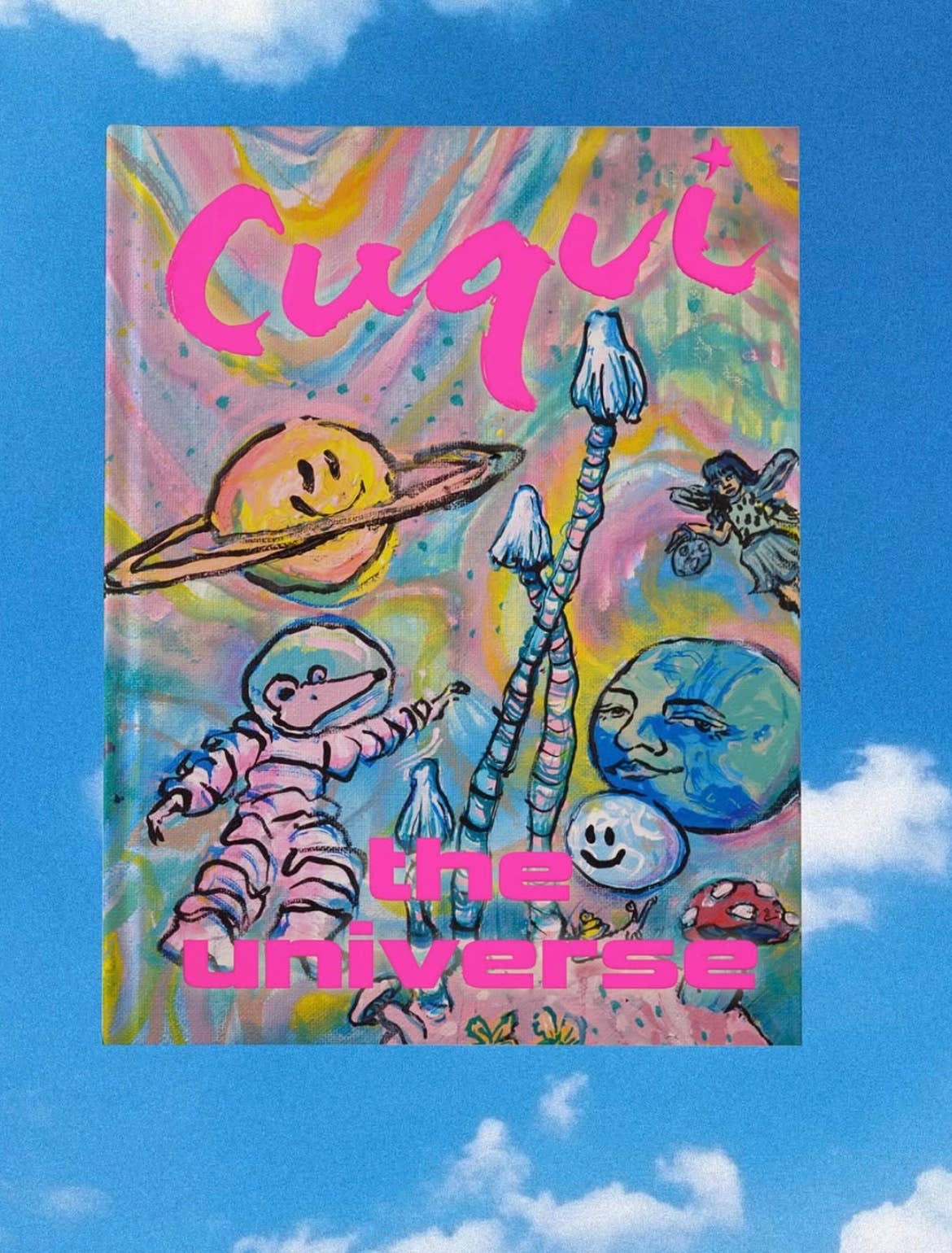
Photo: Courtesy of Cuqui
Despite her highly skilled team, the founder takes the most pride in stories created with — and by — teenagers. “I just spent two weeks at summer camp with 100 teens, and it was one of the coolest things I’ve ever done,” she shares. She spent that time “winning their trust, asking how we should build this and hearing their fears, wants and ideas.”
James-Martinez sees the analog format as a refuge from “the noise of social media that no longer feels social” — no comments, likes or infinite scroll. With a magazine in hand, readers can get lost in its pages and eventually close them. Baden echoes this sentiment, adding that “our brains deserve that kind of experience, where we can enter and exit, and consume at our own pace.”
Younger generations seem to agree: YPulse data from its recent “Going Analog” trend report indicates that 57% of 13–to-39 year-olds are interested in consuming print, rather than digital, content. According to Annie Corser, senior editor for pop culture and media at the trend-tracking platform Stylus, online fatigue is real: Gen Z might still view social media as vital for discovery and their identity, but they are seeking some sort of digital balance.
“Teen magazines sit perfectly in this type of media diet,” Corser says, “especially if they balance both a nimble, agile sense of the shifting sands of teen culture, as captured by social media, with a willingness to invest in mature, thought-provoking content beyond TikTok trends and fleeting -cores.”
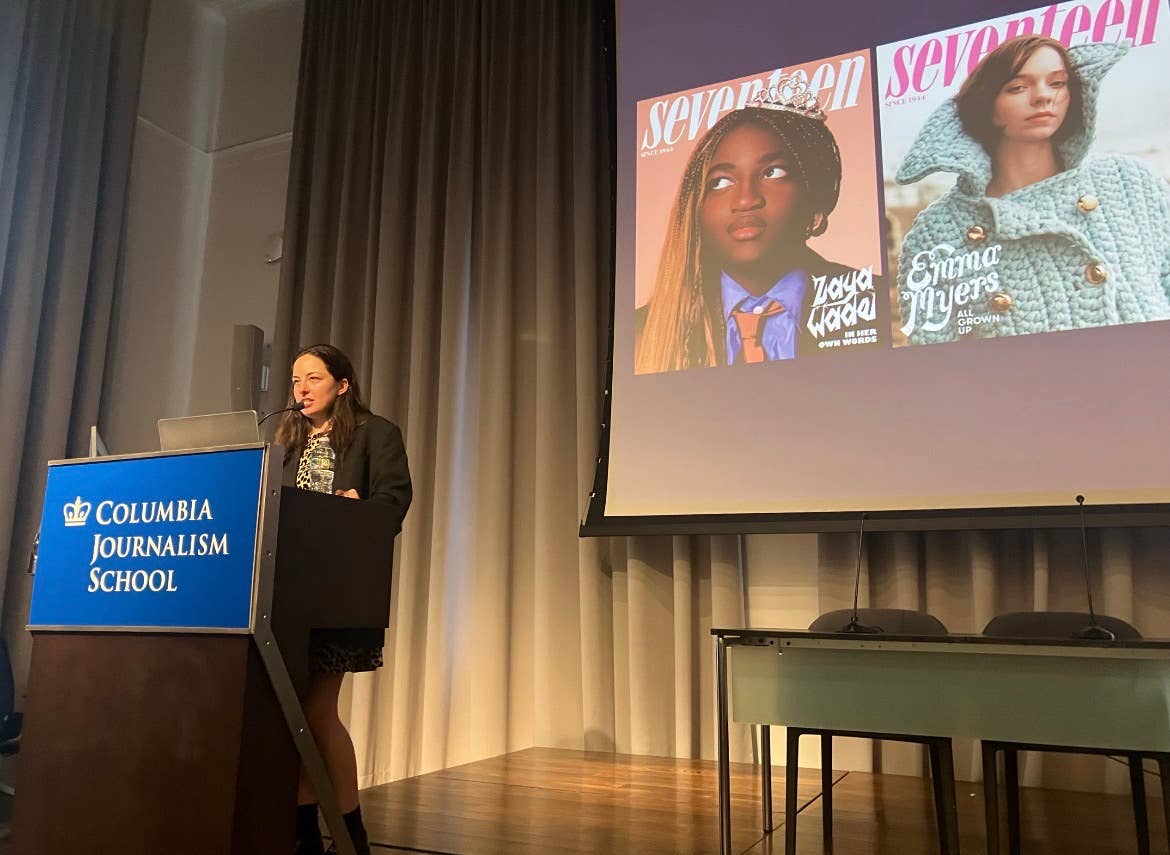
Photo: Courtesy of Willa Bennett
The analog-versus-digital debate is still unfolding. New publications like WYouth and Cuqui may carry the torch for tactile content, while Teen Vogue and Seventeen mine the territory where they know young generations are already comfortable. Perhaps this balance of options is exactly what was missing from the teen media landscape.
For Bennett, whether digital or physical, teen publications should do more than serve data-fueled content tailored to users’ purported interests; rather, they should “surprise you, introduce you to ideas, people and conversations you didn’t even know you were looking for.” She adds that if she can make someone feel a little more understood, inspired or excited about who they’re becoming, then she has done her job.
Baden sees the teen magazine revival as a positive sign that young people are once again interested in communities that authentically discuss identity, friendship, culture, beauty and womanhood; and may even be craving the dry-yet-sweet smell of a magazine or the glossy feel of it in their hands, and warming up to the idea that the offline is worth experiencing. “That’s something young people — and myself — are hungry for.”
