



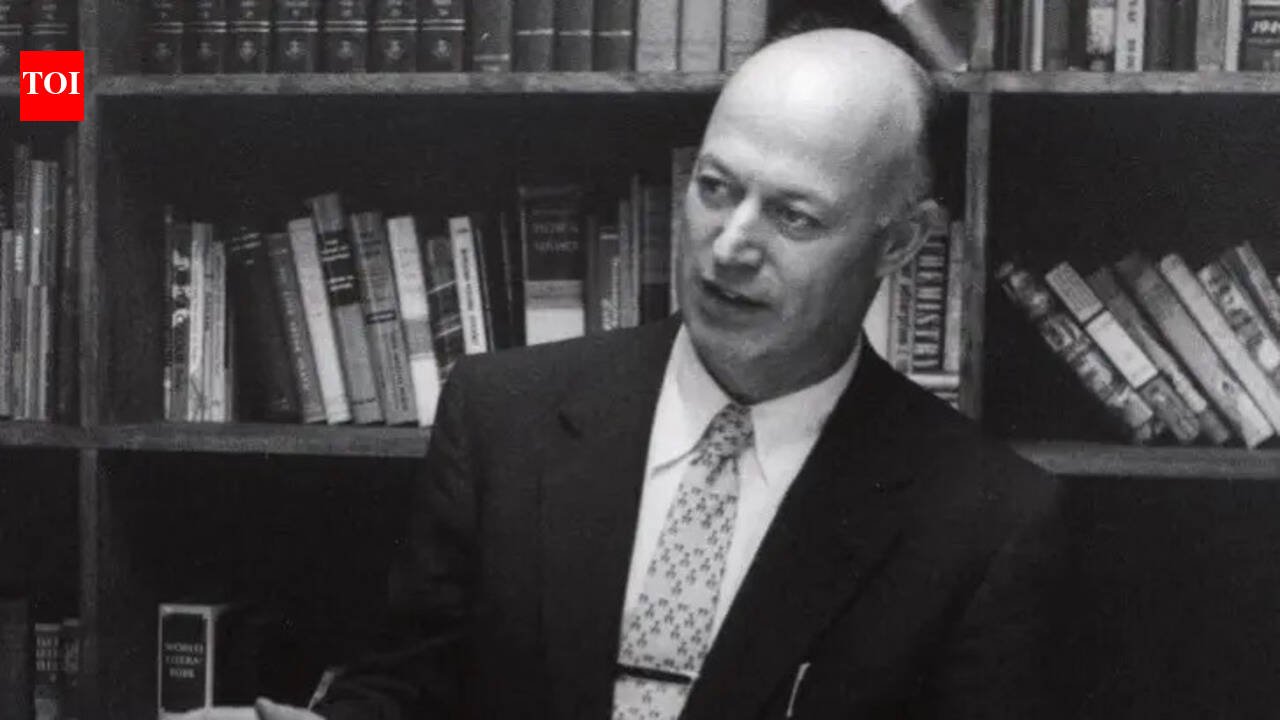
The story behind these colourful and tightly packed containers is one of recycling. Prior to becoming a commonplace object found in every kitchen, the plastic which eventually formed the famous Tupperware brand was simply an oily residue generated during the refinement of oil. It was in the early 1940s that a tree surgeon turned inventor named Earl Tupper looked beyond the smell and dirt of this substance, seeing in it a potential treasure just waiting to be unlocked.Tupper spent years in his home workshop experimenting with these polyethene scraps. He and his young son would boil the black and brittle chunks of plastic to see how they reacted to intense heat and pressure. It was a messy and often frustrating trial-and-error process. Eventually, Tupper figured out how to purify the material into a translucent and odourless plastic that could be moulded into almost any shape.This was a major leap forward for a civilisation just beginning to realise what these new synthetic materials were capable of. The University of Florida article titled From slag to swag: the story of Earl Tupper’s fantastic plastics illustrates the process by which hands-on experimentation transformed discarded byproducts into a flexible and practical plastic. Tupper became one of the first to successfully recycle industrial waste into something consumable.The paint can lid that made it leak-proofIn addition to the amazing properties of the plastic itself, the true innovation in the design was the lid. Tupper knew that the true worth of any storage unit lies in its ability to seal properly. While at the hardware store, he noticed paint cans that utilised a lip design that prevented the material from drying. He stole that burping idea and used it in his bowls.The engineering behind this was far more complex than it looked. As detailed in the historical records provided by the Florida Department of State, Tupper fashioned a flexible lid that relied on a vacuum effect. This was the technical breakthrough that allowed the product to actually work as a food storage tool. Without that specific design, the bowls would have just been another set of dishes. The seal allowed homemakers to keep food fresh for much longer than the traditional ceramic or glass jars of the time.
This innovation, initially met with confusion, eventually became a household staple, showcasing how discarded materials can be repurposed into valuable, functional products.
The item initially failed utterly. Its bizarre appearance made it difficult for people to understand how the mechanism was supposed to work. Only when Brownie Wise took her demonstrations of the “burp” straight into homes did the company begin to gain traction. The technology was sound, but it required human intervention to convey the message behind the little plastic lid.Workshop to cultureDuring the post-war period, America was undergoing change. People demanded quality and durability in their products, and the line offered everything they were looking for. It was lightweight enough to be comfortably manipulated, durable enough to withstand a clumsy drop onto the floor, and ushered in a new age of functionalist industrial design.The design was eventually so well regarded that it was featured in museums of modern art. Yet, at its core, it remained a practical answer to a materials problem. Tupper had taken a stubborn industrial waste product and used simple physics to make it dependable. This focus on the relationship between material and seal is something that remains a standard in modern packaging science today.Reflecting upon the past of home products, Earl Tupper emerges because he began with an outright dismissal of waste. Where the plant saw a clutter, he could see some value. By combining that approach with inspiration derived from a paint tin, he created an invention that now takes up space on our shelves. It shows us how some of the most revolutionary items we use were once dismissed, but combined with some innovation and boiling water.


