



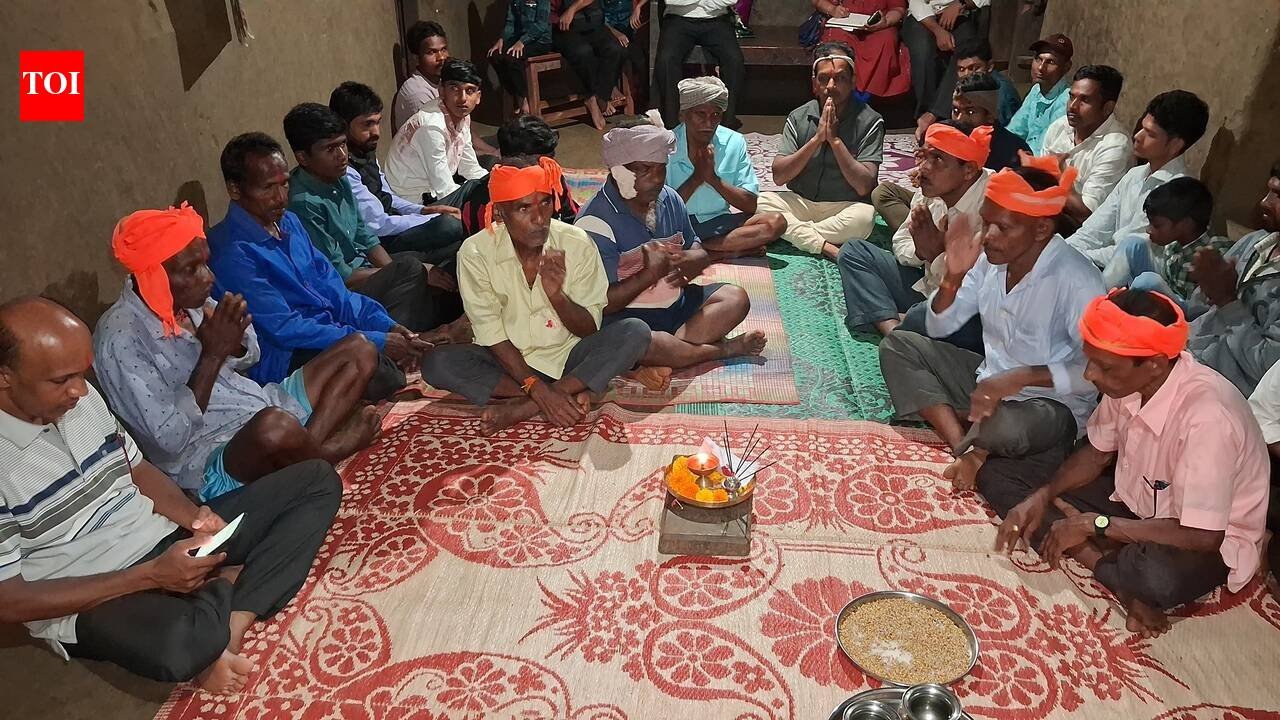
Keri: Ranmale, a folk drama traditionally performed during Goa’s Shigmo festival, continues to be staged during Navratri by Goan forest-dwelling communities in Karnataka’s Joida taluka. Their ancestors migrated from Goa to escape religious persecution, and the tradition remains an integral part of their cultural and religious life.In villages settled by forest dwellers and agriculturists from different parts of Goa, staging Ranmale for at least one night during Navratri is considered mandatory.In Deriya, a village within the Kali Tiger Reserve, forest dwellers whose ancestors migrated from Cazur in Quepem performed Ranmale on the seventh night of Navratri at the ancestral home of the Derekar families. Devotees from forest villages across Joida and Goa attended the performance.Jayanand Derekar said the artists performed roles such as Ganapati and Saraswati without masks, in keeping with tradition. The programme began with folk songs based on the Mahabharata, followed by enactments accompanied by folk music and singing, depicting the triumph of truth over falsehood.Krishna Velip from Kadalsingal said his community’s ancestors migrated from Pernem and worship Mulveer. As a result, they do not cook or eat red vegetables. On Mahanavami night, they stage Ranmale based on the Ramayana, using masks wherever required.Sanjay Gaonkar, a tribal researcher from Amona in Canacona who visited Deriya to witness the performance, said Ranmale reflects the socio-cultural and religious life of the forest dwellers, shaped by their history and traditions. He noted that the folk recitations and percussion instruments point to strong cultural links with Goa.Other villages inhabited by Goan forest-dwelling communities, including Kundal, Khushavali, Mudiya, Keloli and Kadalsingal, also stage Ranmale on at least one night of Navratri, attracting people from neighbouring areas.
