


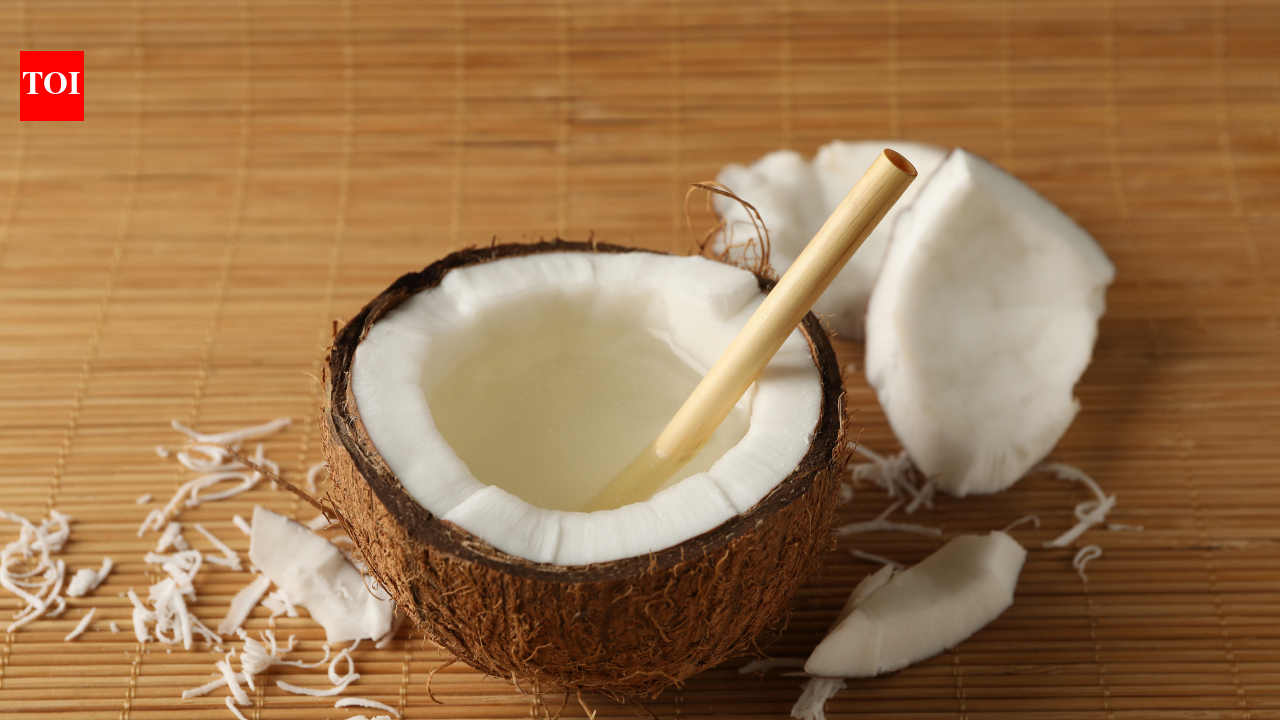
A walk across a university campus in Bengaluru gave English professor Dr Saji Varghese an unexpected idea in 2017. He noticed a dry coconut leaf that had naturally curled into a shape resembling a straw. Instead of seeing it as waste, he began wondering whether the leaf itself could be turned into something useful.Years of experiments followed. The result was straws made from naturally fallen coconut leaves and designed as an alternative to conventional single-use plastic straws.
The leaf already had a useful secret
The interesting part was not adding a synthetic coating to the leaf. It was understanding what the leaf already contained.Research involving Varghese examined the epicuticular wax on coconut leaves. This natural layer helps make the leaf water-resistant. The team explored how the material could be processed into a drinking straw while retaining its useful properties.The resulting straw has a naturally hydrophobic surface and is antifungal and biodegradable. The company says its straws can remain usable in hot or cold drinks for several hours without becoming soggy.
Two years of experiments turned waste into a product
The first idea was simple, but making a reliable straw was not.Varghese experimented with cleaning, processing, rolling and shaping the leaves. The work eventually led to a multi-layered design and machinery for processing the material at scale. Christ University records also show a 2017 research project focused on developing machines to process and roll biodegradable coconut-leaf straws.A single dried coconut frond can produce roughly 150 to 200 straws, according to reporting on the project.
Why the idea matters beyond one straw
The timing also matters. India prohibited identified single-use plastic items, including plastic straws, from July 1, 2022. The Government of India’s Press Information Bureau explains that the ban targeted plastic products with low utility and high littering potential.That makes alternatives important, but it also raises a bigger question: what happens to agricultural material that is usually treated as waste?Sunbird says its model collects naturally fallen coconut leaves instead of cutting green leaves. The company currently reports that more than 107 women have been empowered across Kerala, Karnataka and Tamil Nadu, alongside indirect employment opportunities.Disclaimer: This article is for general awareness and does not endorse any product as universally superior to plastic, paper or other alternatives.
