



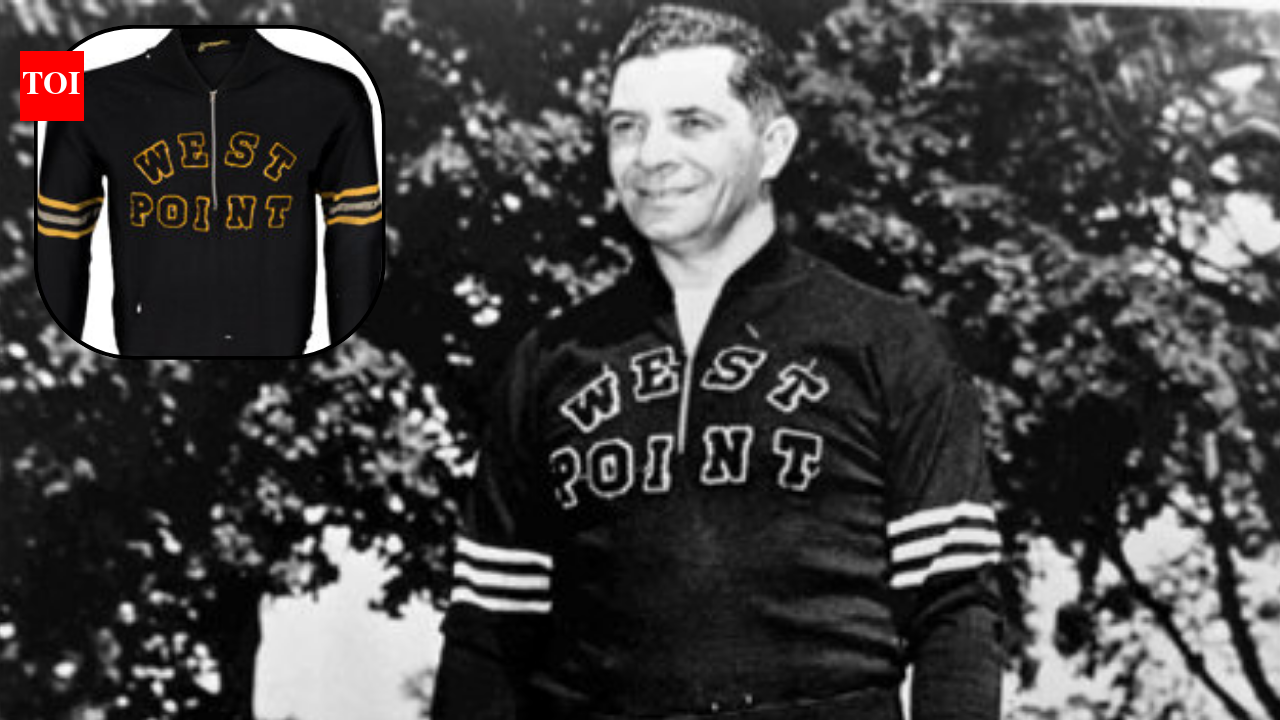
A sweater picked up for just 58 cents at a North Carolina Goodwill turned out to have a remarkable connection to football history. Tennessee couple Sean and Rikki McEvoy bought the black-and-gold sweater in 2014, initially intending to take it to their vintage clothing store in Knoxville. Months later, they realised it could have belonged to legendary coach Vince Lombardi. According to Heritage Auctions, the sweater was later sold at its Sports Platinum Night auction for $43,020 in February 2015, turning a tiny thrift-store purchase into a five-figure sports collectible.
A 58-cent Goodwill discovery
The McEvoys found the sweater at a Goodwill outlet in Asheville, North Carolina, where clothing and other goods were sold by weight. The price worked out to just 58 cents for the sweater. At first, there was no indication that the ordinary-looking piece of clothing had any major historical value. The couple planned to take it back to Knoxville for their vintage clothing business.The discovery came a few months later when the couple were watching a television documentary about Lombardi. They noticed an image of the famous coach wearing a sweater that looked almost identical to the one they had bought at Goodwill. That prompted them to take a closer look at their find. A tag inside the sweater helped confirm their suspicion.
The clue that linked it to Lombardi
Inside the sweater was a white cotton swatch with the words “Lombardi 46” handwritten on it. Heritage Auctions said the marking clearly identified the garment as belonging to Lombardi. The coach wore the sweater during his years at West Point, where he served as an assistant to the head coach of the U.S. Army Black Knights. His time at the military academy came before he entered the NFL.Lombardi’s West Point years were an important part of his coaching career. He later made his NFL debut with the New York Giants in 1954 before becoming one of the most celebrated coaches in American football. Photographs from the period also showed Lombardi wearing the same distinctive black-and-gold sweater, giving the thrift-store discovery an additional connection to its original owner.
How the sweater reached Goodwill
The sweater had an interesting history of its own before it ended up on a Goodwill outlet rack. Heritage Auctions reported that it had been donated by the widow of Bill Wannamaker, who coached at West Point alongside Lombardi during the 1940s and early 1950s. That connection helped explain how a garment associated with Lombardi eventually found its way into a charity outlet. The piece was ultimately consigned for auction, where its history attracted collectors.The auction house also chose to donate its entire seller’s commission from the sale to Goodwill. Heritage said the decision was made in recognition of Wannamaker’s contribution to football history and the family’s original wish that the sweater help raise money for the charity.
From thrift-store clothing to sports history
Once the sweater’s connection to Lombardi became clear, it was no longer simply a vintage piece of clothing. It became a tangible reminder of the period when Lombardi was developing his coaching career at West Point. The handwritten identification, period photographs and its connection to a former West Point coach all added to its significance.The difference between its original price and its eventual auction result was striking. The McEvoys had paid only 58 cents for the sweater, while an anonymous collector bidding by telephone ultimately paid $43,020 for it.
A tiny purchase with a huge payoff
The Lombardi sweater is an example of how valuable sports history can sometimes turn up in places where shoppers least expect it. What appeared to be an inexpensive piece of used clothing at an Asheville Goodwill outlet was eventually connected to one of the most influential coaches in American football.For the McEvoys, the discovery transformed a routine thrift-store purchase into an extraordinary find. The sweater’s journey from West Point to a North Carolina charity outlet and finally to a $43,020 auction sale gave the 58-cent garment a remarkable second chapter.
