


I have been going to the gym for the last year. During this time, I have tried a few protein powders and fitness supplements from different brands to understand what actually works for my body. With so many options available in the market today, choosing the right supplement can honestly feel overwhelming. Every brand claims to offer the best muscle recovery, faster strength gains, better performance, and improved results. But over time, I realised that no single product works the same way for everyone. It often comes down to your fitness goals, diet, training intensity, and how your body responds.
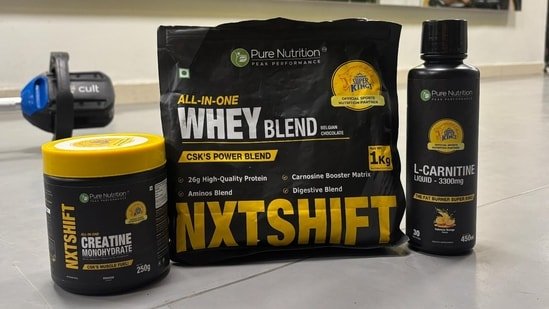
Recently, I switched to Pure Nutrition, one of India’s fastest-growing sports nutrition brands and the Official Sports Nutrition Partner of Chennai Super Kings (CSK). Over the past month, I tested three of its products: the All-in-One Whey Blend, Creatine Monohydrate Powder, and L-Carnitine Liquid to see how they performed in my daily workout routine. Here’s my honest experience, along with a few things you should know before deciding whether these products are worth trying.
1. Pure Nutrition All-in-One Whey Blend (Belgian Chocolate) Protein Powder
Out of the three products, this protein powder was the one I used every single day without fail. Since my goal is weight gain and muscle building, I usually consume one scoop before my workout. While many people prefer taking whey protein after training, I have found that having it before my session works well for me because it helps me feel fuelled without making me feel too heavy.
Each serving provides 26 grams of protein with a blend of whey protein isolate, whey concentrate, casein, soy protein and pea protein. I liked that it isn’t dependent on just one protein source because different proteins are digested at different speeds, which can help provide a more sustained supply of amino acids.
Let’s talk about the taste
I tried the Belgian chocolate flavour, and surprisingly, it wasn’t overly sweet. I have previously tried sweeter flavours like Malai Kulfi from other brands, and honestly, I struggled to finish those because they became too heavy after a few days. Belgian chocolate felt much more balanced. It tasted like a mild chocolate shake rather than a dessert, which made it easier for me to drink consistently. If you’re someone who doesn’t enjoy extremely sweet protein shakes, this flavour is probably a safer choice. Of course, taste is subjective, so people with a sweet tooth may actually prefer richer dessert flavours.
Mixing experience
The powder dissolved well in water using a regular shaker. I rarely noticed any lumps, and there wasn’t any chalky texture left at the bottom, which is something I’ve experienced with a few other protein powders.
Did I notice any difference?
Within a few weeks, I felt my recovery improving. I wasn’t waking up with as much muscle soreness after heavy training sessions, and I was able to maintain consistency in the gym. Did it magically increase my muscles within a month? No, and no protein powder should promise that. Supplements only support your nutrition. Muscle growth still depends on progressive strength training, adequate calories, proper sleep and overall protein intake throughout the day.
Ingredients worth understanding
- Whey protein isolate: One ingredient that caught my attention was this. It is a highly purified form of whey protein that contains over 90 per cent protein while removing most lactose, fat and carbohydrates. Since it is absorbed quickly, it is commonly preferred by athletes and people looking to support muscle recovery after workouts. It may also suit people with mild lactose sensitivity because it contains much less lactose than whey concentrate. However, individuals with a dairy allergy should still avoid it.
- Lion’s Mane Mushroom: Another interesting addition was lion’s mane mushroom extract. This medicinal mushroom has gained popularity because studies suggest it may support brain health and cognitive function by promoting nerve cell growth. Some research also indicates it may benefit heart health by improving fat metabolism and reducing cholesterol oxidation. While the evidence is promising, it shouldn’t be viewed as a miracle ingredient.
- The protein also contains ashwagandha, matcha green tea extract, digestive enzymes, and prebiotic fibre. Digestive enzymes may help reduce bloating and improve protein digestion, while ashwagandha has been studied for its potential to manage stress and support exercise performance.
- One thing to remember: Even though this protein contains added functional ingredients, they should be viewed as bonus additions rather than replacements for a balanced diet.
2. Pure Nutrition Creatine Monohydrate Powder (Orange)
Creatine is probably one of the most researched sports supplements available today. I decided to include this alongside my regular strength training because my focus is on building muscle and improving workout performance.
The first thing I noticed was the orange flavour. Unlike many creatine powders that taste bland or medicinal, this one was actually refreshing and easy to drink. More importantly, it mixed extremely well. There were no gritty particles sitting at the bottom of my shaker, which made the overall experience much better.
Over the month, I felt slightly stronger during my compound lifts and was able to complete a few extra reps on certain exercises. While the improvement wasn’t dramatic overnight, it became noticeable after consistent use.
What exactly is creatine monohydrate?
Creatine monohydrate is one of the most extensively studied ergogenic supplements. It helps increase the availability of phosphocreatine in muscles, allowing your body to produce energy more efficiently during short bursts of high-intensity exercise, such as weightlifting or sprinting.
Research suggests creatine may help:
- Improve strength and power output
- Increase workout performance
- Support muscle growth when combined with resistance training
- Reduce muscle protein breakdown
- Improve recovery between training sessions
The usual recommendation is 3-5 grams daily, and consistency matters much more than timing.
What about taurine?
This product also contains taurine, a naturally occurring amino acid found in the brain, heart, muscles and eyes. Taurine plays an important role in maintaining electrolyte balance, supporting muscle contractions and helping regulate calcium movement inside cells. It also contributes to normal nervous system function and has antioxidant properties. Healthy adults usually don’t have a taurine deficiency because the body can produce it naturally, and it is also found in foods.
A small heads-up
Creatine can increase water retention inside muscle cells, so don’t confuse this with unwanted fat gain. Staying well hydrated is important while using creatine. People with existing kidney disease or other medical conditions should always consult their doctor before starting supplementation.
3. Pure Nutrition L-Carnitine Liquid (Valencia Orange)
The third product I tried was Pure Nutrition’s L-Carnitine Liquid in Valencia Orange flavour. Now, I should mention one important thing: I am currently trying to gain weight, not lose it. So I wasn’t expecting this product to suddenly make me lose fat. Instead, I wanted to see how it fit into my workout routine and whether it supported my training. The flavour was honestly one of my favourite parts. It tasted fresh, citrusy and much better than many liquid supplements I’ve tried before.
Does L-carnitine burn fat?
This is where many people get confused. L-carnitine is not a magic fat burner. L-carnitine is an amino acid derivative naturally produced by the body. Its primary role is transporting fatty acids into the mitochondria, where they’re converted into energy. While this sounds impressive, it only works effectively when combined with a calorie-controlled diet and regular exercise.
If your goal is fat loss, L-carnitine should be viewed as a supporting supplement, not a replacement for exercise or healthy eating. Since I wasn’t following a fat-loss diet, I mainly used it as part of my workout routine. I didn’t notice any unwanted side effects, and it was easy to include because of the ready-to-drink liquid format.
My final verdict after one month
After using these three products together for a month, I can say my overall experience was positive. The whey protein became my favourite because of its balanced taste, good mixability, and recovery support. The creatine complemented my strength training well, while the L-carnitine was easy to incorporate into my routine, though its benefits depend heavily on your fitness goal.
That said, supplements are exactly what their name suggests: they supplement your diet. They won’t compensate for poor nutrition, irregular workouts or lack of sleep. Before spending money on any fitness supplement, first calculate your daily protein intake, understand your training goals and determine whether you actually need additional supplementation.
A few things to keep in mind before buying:
- If you’re lactose intolerant or allergic to milk proteins, check the ingredient list carefully before choosing whey protein.
- Creatine works best when taken consistently every day rather than occasionally.
- L-carnitine should not be considered a shortcut for fat loss.
- Pregnant or breastfeeding women, people below 18 years of age and individuals with underlying medical conditions should consult a healthcare professional before using these supplements.
- Supplements are not medicines and should never replace a balanced diet.
Overall, if you’re someone who trains regularly and is looking for products that are easy to consume, taste good, and fit naturally into a structured fitness routine, these three supplements are worth considering. Whether they’re the right choice for you ultimately depends on your goals, your diet, and how your body responds over time.
(Disclaimer: The products featured in this review were provided to HT Shop Now by the brand for testing and evaluation. The writer’s opinion remains independent and is based on her personal experience with the items.)
