






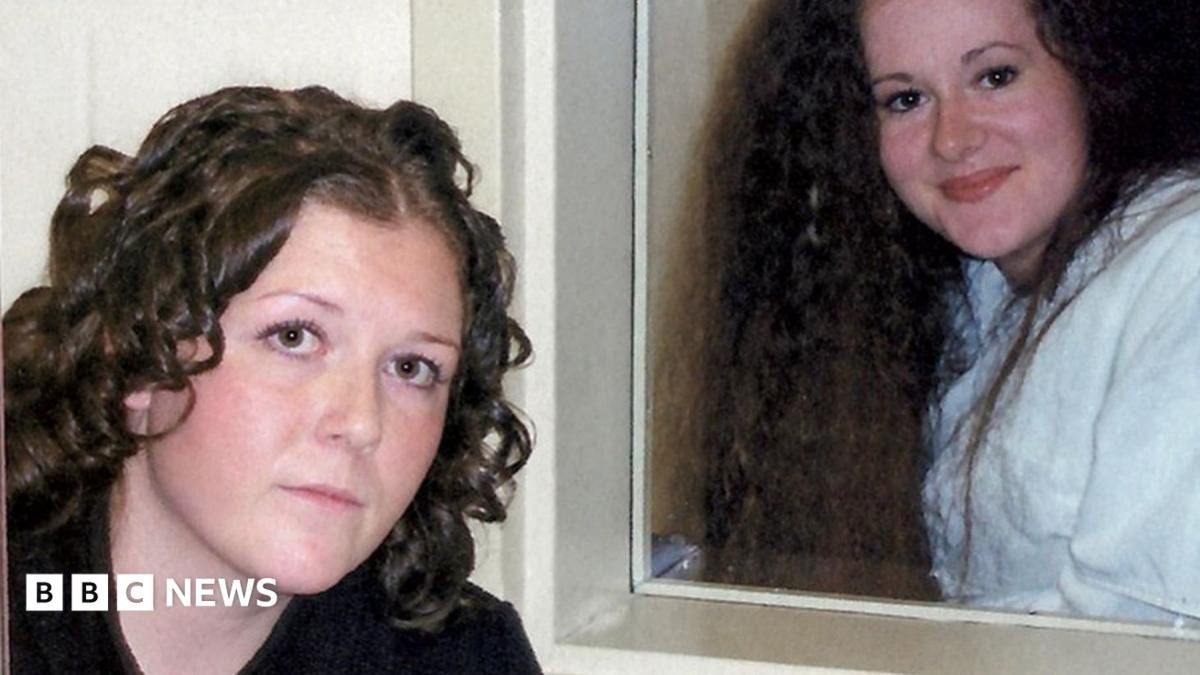
Pike grew up in Beckley, a small, working-class city in southern West Virginia, and her parents, Carissa Hansen and Glenn Pike, were alcoholics who neglected her.
She told Roberts she did not have “any love”, apart from her grandmother who died of cancer when she was 12, setting off a rage inside Pike, alongside suicidal thoughts.
“She was raped at 11 by a neighbour, and again at 17 by a stranger who she said dragged her into the woods. She went through different periods of neglect and abuse,” said Roberts.
Pike bounced from one school to another before joining Knoxville Job Corps aged 18 – what was meant to be a new start.
She told Roberts she had hoped to become a nurse.
Pike’s lawyers, who filed a 226-page clemency petition, hoped for a last-minute reprieve of her execution, but it was rejected, while United Nations human rights experts had also called for the execution to be stopped.
“She definitely had hope,” said Helen, and said Pike hoped someone may step in and help her by “realising” the impact of her childhood and mental health on her actions.
“She knew it was either death penalty and prison for life, but she definitely wanted prison for life, and a peaceful death,” said Roberts.
Roberts described the past week as “bizarre”, despite knowing the execution was coming.
“All day Wednesday I couldn’t not be with her, I was constantly thinking of what would be happening.
“I’d read she had refused her last meal… I cannot even imagine what she was thinking, how she felt, and how you prepare yourself knowing you’re going to die.”
She said waking up to the news Pike had survived the injections was “like watching a horror movie”.
“I can’t comprehend, I can’t understand. It’s absolutely barbaric.
“And then the irony of the state trying to kill her and then her being taken to hospital to try and save her. It doesn’t even make sense.”


