



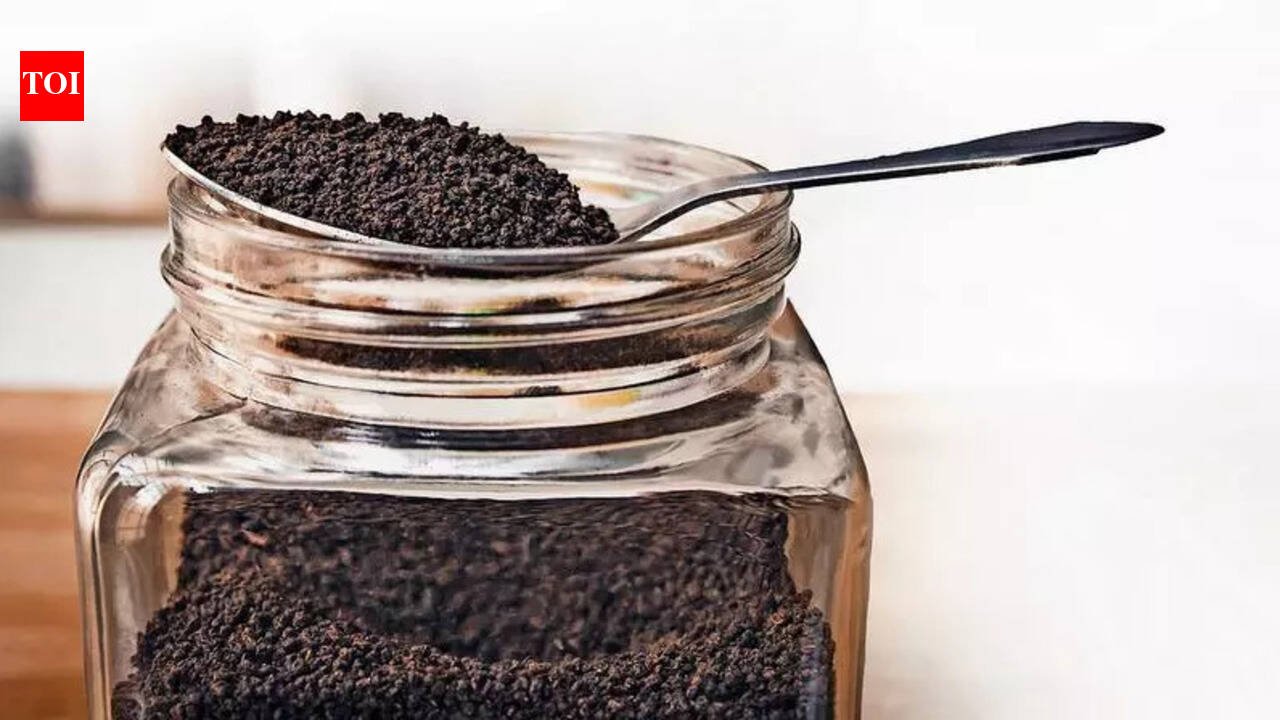
Hyderabad: In a city where a daily cup of chai is an essential part of life, a troubling trend is brewing. Rising cases of tea adulteration are raising serious concerns among consumers, as fake and contaminated products are increasingly making their way into the market. A problem that was once limited to loose, unbranded tea powders sold at local stalls has now spread to counterfeit packs of popular brands such as Red Label, Gemini and Taj Mahal, which are often sold at unusually low prices and contain adulterated tea powder.Over the past week, the Hyderabad city police task force has busted several units involved in manufacturing adulterated tea powder in Sanathnagar, Afjalgunj and Goshamahal, seizing almost 10,000 packets of counterfeit tea powder. The packaging materials and low-quality raw ingredients used were sourced from dealers in Gujarat at discounted rates.The adulterated tea powder was then packed in counterfeit branded packaging and supplied to retail and wholesale markets. Most of the distribution took place in busy trade hubs such as Afzalgunj and Begum Bazaar and the surrounding area — markets frequented by a large number of households for their monthly grocery shopping.As officials investigate this racket, a disturbing method has come to light. The accused mixed peat and excess coconut husk residue with hot jaggery water to create a tea-like texture. The mixture was then dried for two to three days. After drying, synthetic food colours such as sunset yellow and tartrazine orange were added to enhance its appearance and give it the characteristic dark shade of tea. These colouring agents were absorbed by the jaggery-coated material, making it difficult for consumers to distinguish it from genuine tea powder at first glance.According to the police, the accused in Sanathnagar prepared 1 kg of adulterated tea powder by mixing 450 grams of low-quality tea dust, 500 grams of low-quality tea granules and 50 grams of colour-mixed cocopeat. This adulterated tea powder was then supplied and sold to local tea stalls and other dealers, with the sellers misrepresenting it as genuine tea powder.“We advise citizens to verify the authenticity of household products by checking QR codes and other identification marks before purchase, in order to avoid buying counterfeit items. We also advise the public to purchase tea powder only from authorised sellers and to report any suspected cases of food adulteration to the relevant authorities,” said a police official from the Hyderabad city police task force.


