



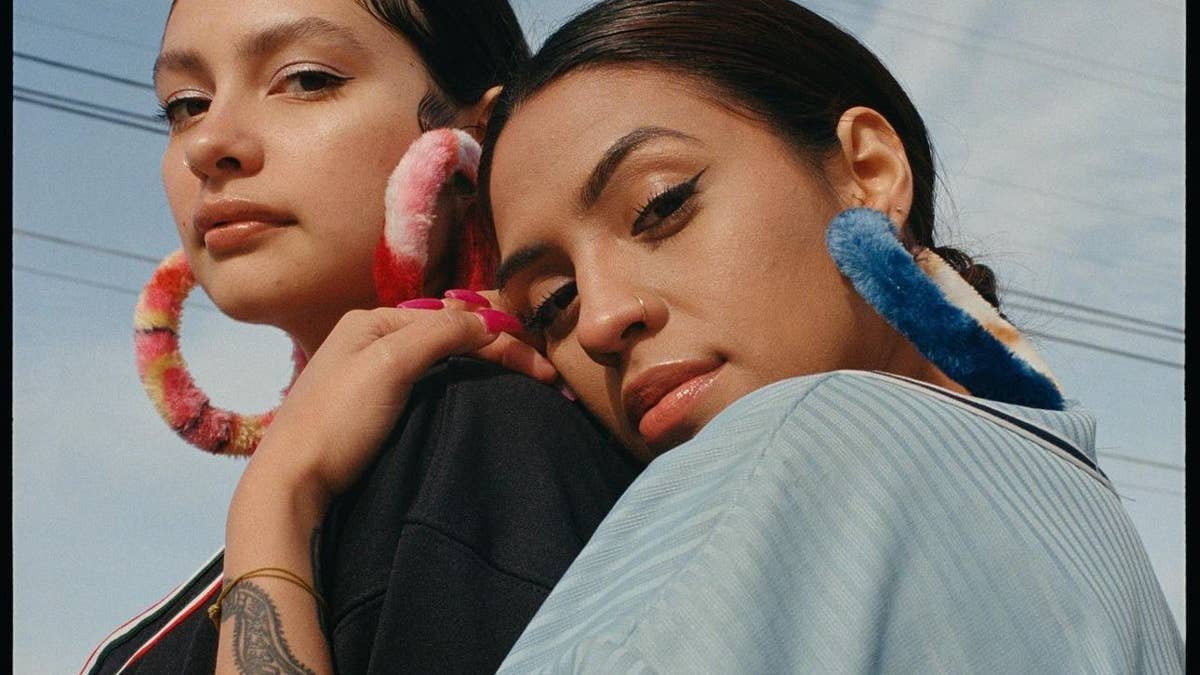
Fashion photography — a space defined by glossy magazine covers, dreamy advertising campaigns and designer-filled editorials — has never required a formal degree. (Just look to Steven Meisel’s storied photography career, achieved with only a background in fashion illustration from Parsons.) In an age when a camera sits in everyone’s pocket, and an Instagram post can get more traction than a magazine spread, the field is more saturated than ever. Now, getting into the industry is no longer the hard part — standing out is.
Ahead, Fashionista asked four fashion photographers what it really takes to make it in this competitive field.
You Don’t Need Credentials or the ‘Right’ Gear
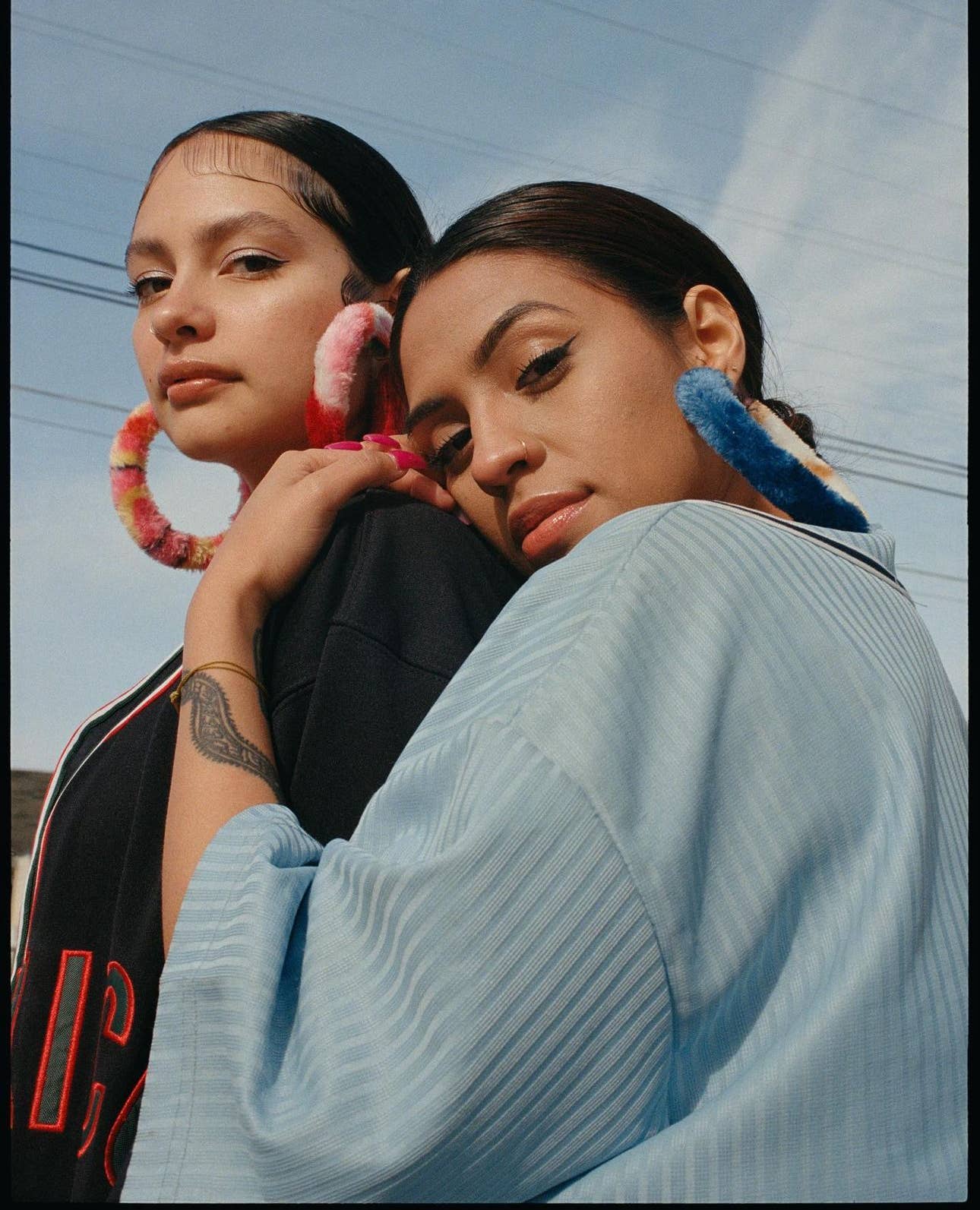
Photo: Thalía Gochez
Lyrie Wang, whose work has appeared in Harper’s Bazaar and Esquire, had a camera and a dream when she quit her job as a product manager in tech to pursue fashion photography. All she knew was how to take cute pictures for Instagram and curate an aesthetic feed.
To learn the basics, she turned to YouTube, looking up what “aperture” and “shutter speed” mean and watching tutorials on how to color grade and adjust her camera settings. “That’s the easy part. The information is there,” Wang explains. Thalía Gochez — a Los Angeles-born photographer snapshotting BIPOC subjects across the world — did the same, using YouTube to learn how to load film.
There aren’t hard and fast rules around gear, either. Dan Bassini, a street style photographer, exclusively uses a 35-millimeter point-and-shoot. “People don’t take it seriously, which I use to my benefit because I don’t think I’m a professional photographer,” he shares. “So I can get in places that other people with a big camera rig can’t.”
Gochez bought her first camera for a dollar at a San Francisco flea market. Years later, she captured a Nike campaign on that same camera, battery cover missing and held together with tape.
Just Go for It
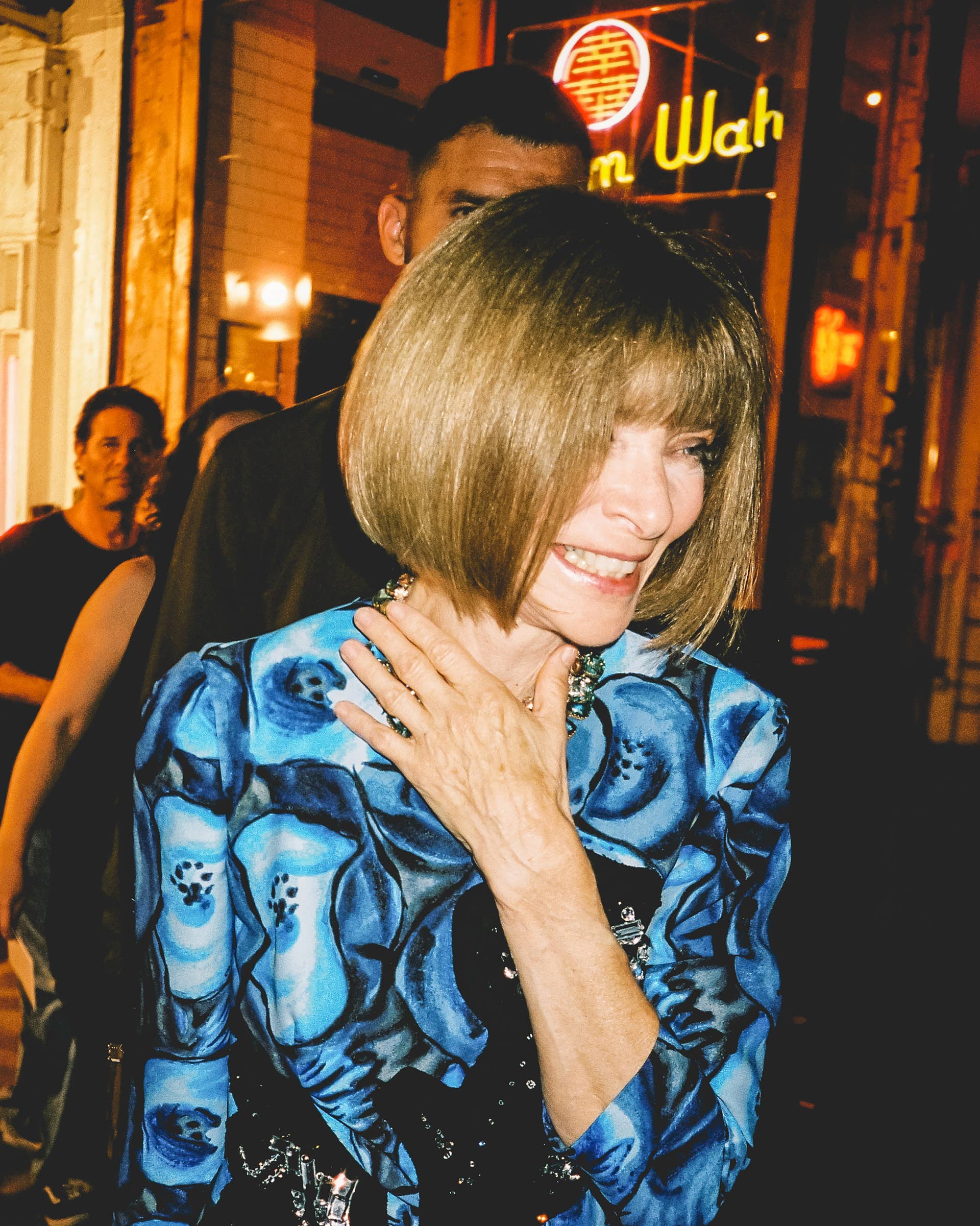
Photo: Dan Bassini
Despite hailing from very different backgrounds, all four photographers we spoke with say one trait is essential: the audacity to act. “You have to be unapologetic about putting yourself forward,” London-based fashion photographer Emily White says.
“I am shameless about overselling myself,” Wang echoes. With no prior experience under her belt, she posted in a Facebook group for photographers and models, introducing herself as a photographer who was looking to shoot.
For Gochez, this audacity surfaced in a community college fashion styling class, when she was watching a photographer work but felt the urge to take the camera and try it herself. “If he’s figured out that camera, I can figure it out,” she says. “Like, what makes him different from me?”
Bassini’s audacity takes shape in simply showing up: Without an invite, he’s photographed New York Fashion Week for a decade. “‘What if I just try to walk through the front door?'” he recalls asking himself. “It works more than you’d expect.” This September, Bassini unveiled his 10-year retrospective titled “No Invite,” which featured photographic highlights of sneaking into NYFW parties and standing outside runway venues.
Manage the Fear
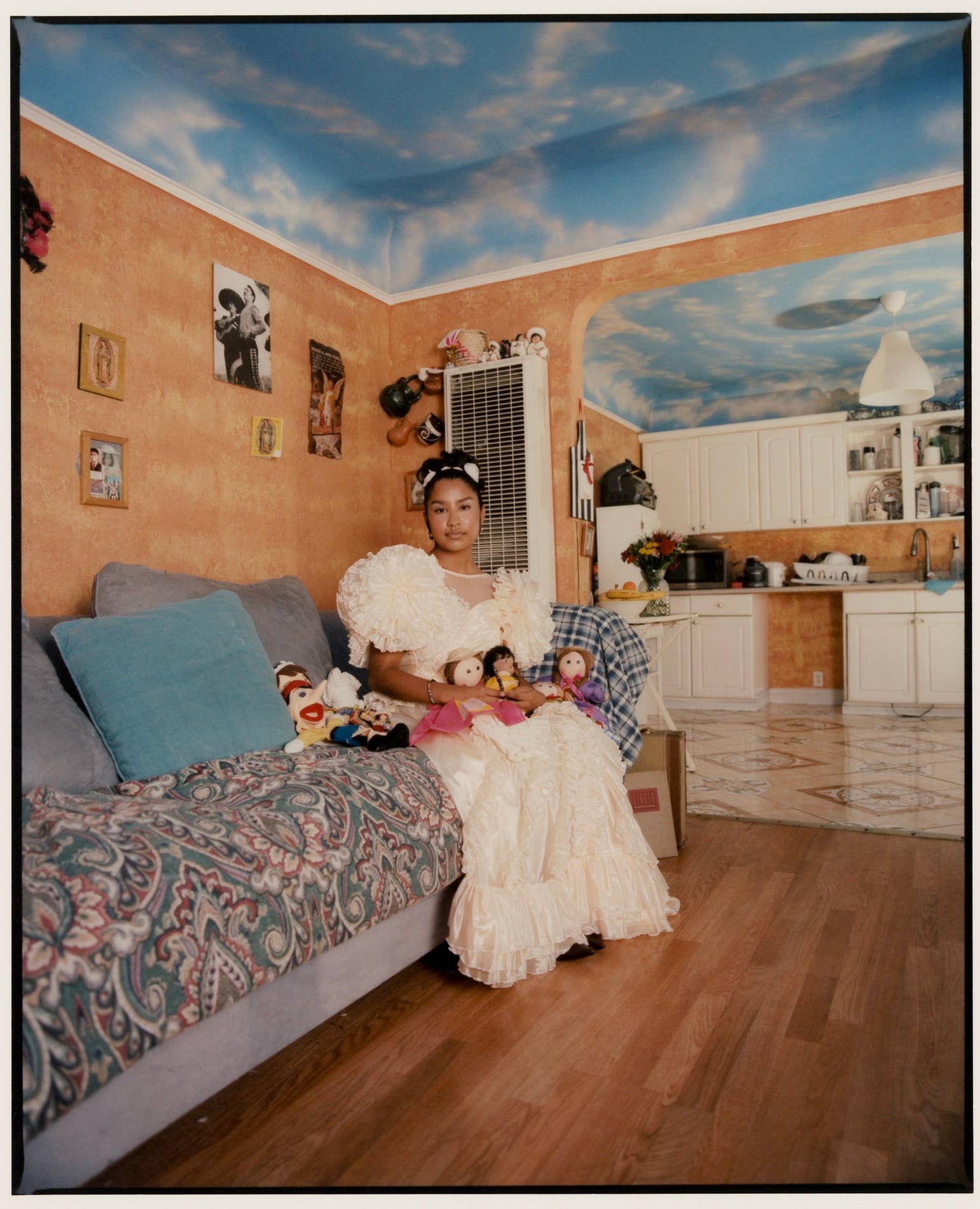
Photo: Thalía Gochez; Style and Creative: Jasmine Maldonado
That’s not to say a photographer’s career is easy (or glamorous). “I definitely had nerves and moments of doubt (still do), but I never really let them stop me,” White shares. Pushing through that discomfort has allowed her to eventually build a portfolio that includes Cartier, Dior Beauty and Hypebeast.
For Gochez, having imposter syndrome is inevitable, even part of the process. “You’re gonna feel all these emotions, but you have to understand that’s part of the creative process, and you have to see it through towards the end,” she explains.
On the other hand, for Wang, splitting everything into small, manageable steps meant she never felt like she was taking a big leap. “The first step is really all you need to get the ball rolling, and then every other step becomes more clear as you go,” she shares.
Develop a Point of View
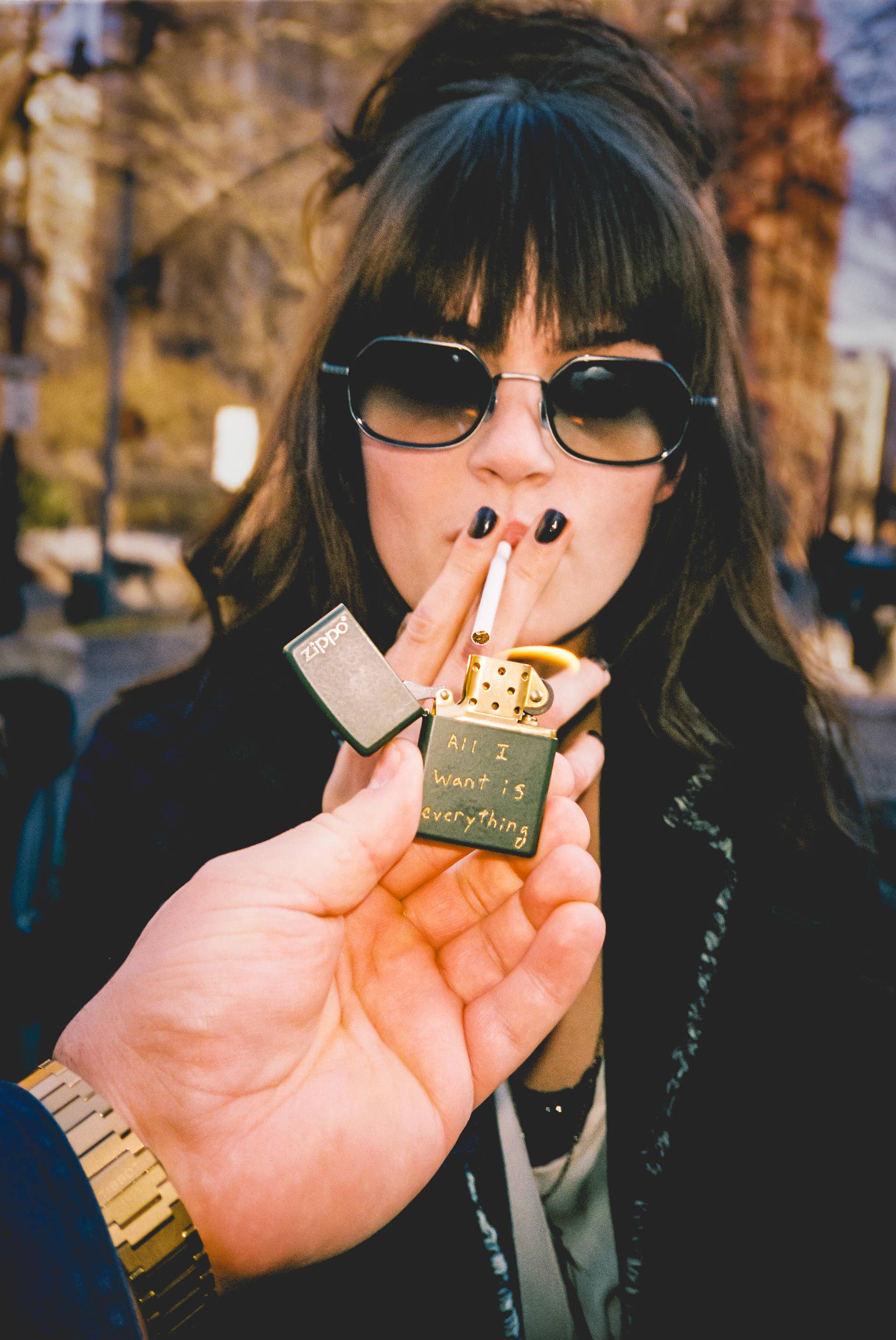
Photo: Dan Bassini
To stand out, each photographer developed a distinct signature, and many found their inspiration from their own lives. Gochez started by photographing girls from her own neighborhood: girls the industry didn’t consider models, but whom Gochez found beautiful. That perspective became her signature: photographing people of color.
“I was relentless in discovering my artistic voice and it being so distinctively ‘me’ meant that the industry couldn’t ignore that,” she says. Her clients include Vogue, The New York Times and Apple.
Bassini, too, drew from his life. He got his start in music photography — a scrappy, DIY scene — so he brought that approach to the glamorous world of fashion week. In practice, that meant capturing close-up portraits while other photographers sought out more editorial or abstract shots.
“What are you doing to set your work apart from the other two dozen people standing next to you with the same camera pointed at the same model?” he says.
Of course, not everyone starts out with a unique visual style. That point of view can be built over time, with continued practice and evolving taste. Wang developed hers by treating her Instagram as a research platform, constantly studying other photographers’ campaigns and taking note of what she liked and disliked.
You Need To Hustle
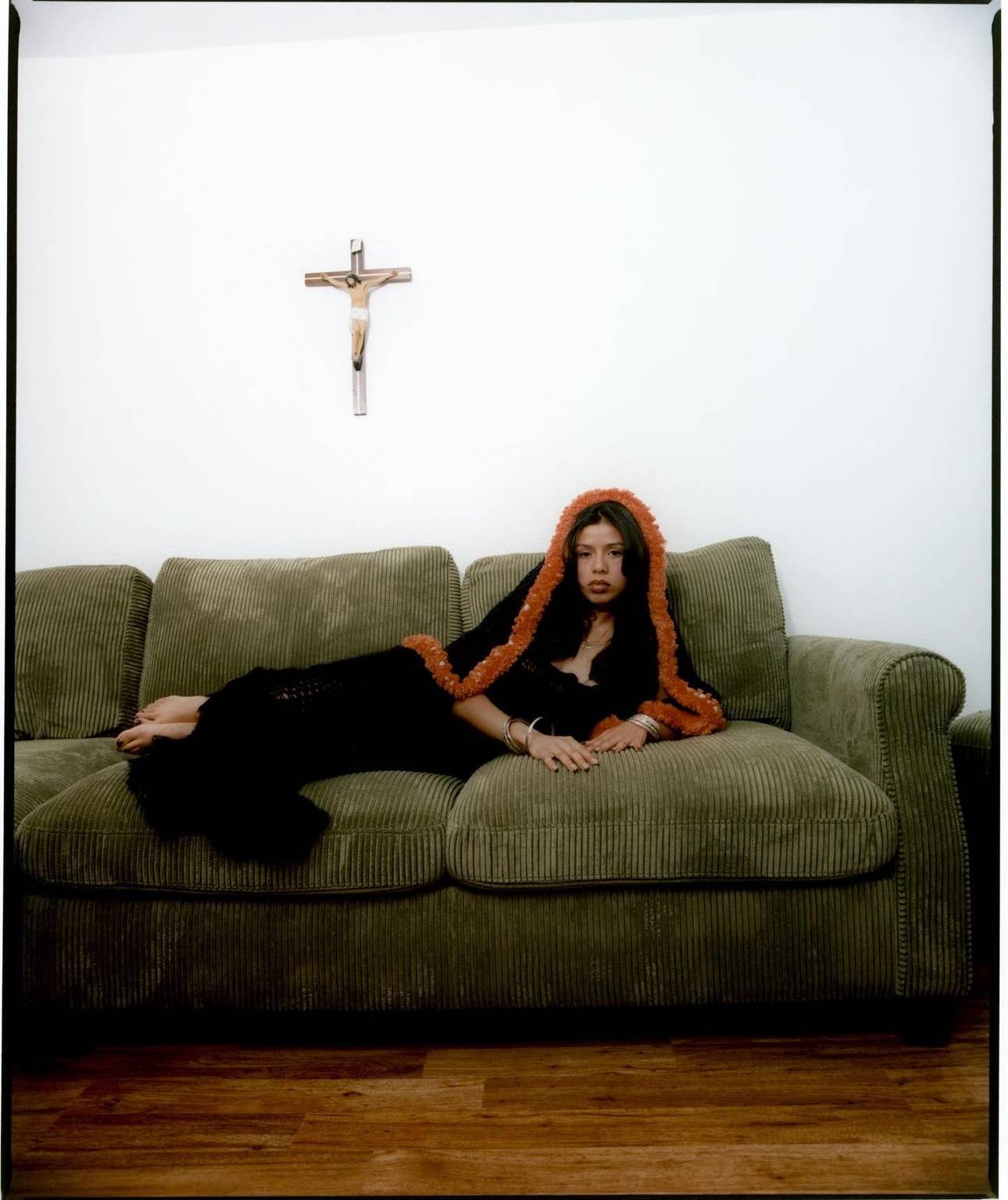
Photo: Thalía Gochez
Unsurprisingly, hustling was also essential to these photographers’ success. To find out where fashion shows were taking place, Bassini tracked hairdressers and makeup artists who geotagged their locations online. White, in addition to scoping out fashion week show locations to capture street style, picked up assistant gigs and retouched for other photographers to pay the bills. “Alongside that, I was constantly making my own work and trying to build a portfolio I could eventually pitch with,” she says. “It was a slow process of cold emailing, coffee chats, meeting people on set and collaborating on as many tests and personal projects as possible.”
For Wang, hustling meant taking a series of strategic steps, beginning with her Instagram. After archiving old posts and curating her grid, she would monitor what other photographers were putting out to identify who the decision-makers were, so she could connect with them. “You need a portfolio first and foremost — and good work,” she explains. “But beyond that, you have to be pretty savvy about who needs to see that work for it to go somewhere.”
Don’t Give Up
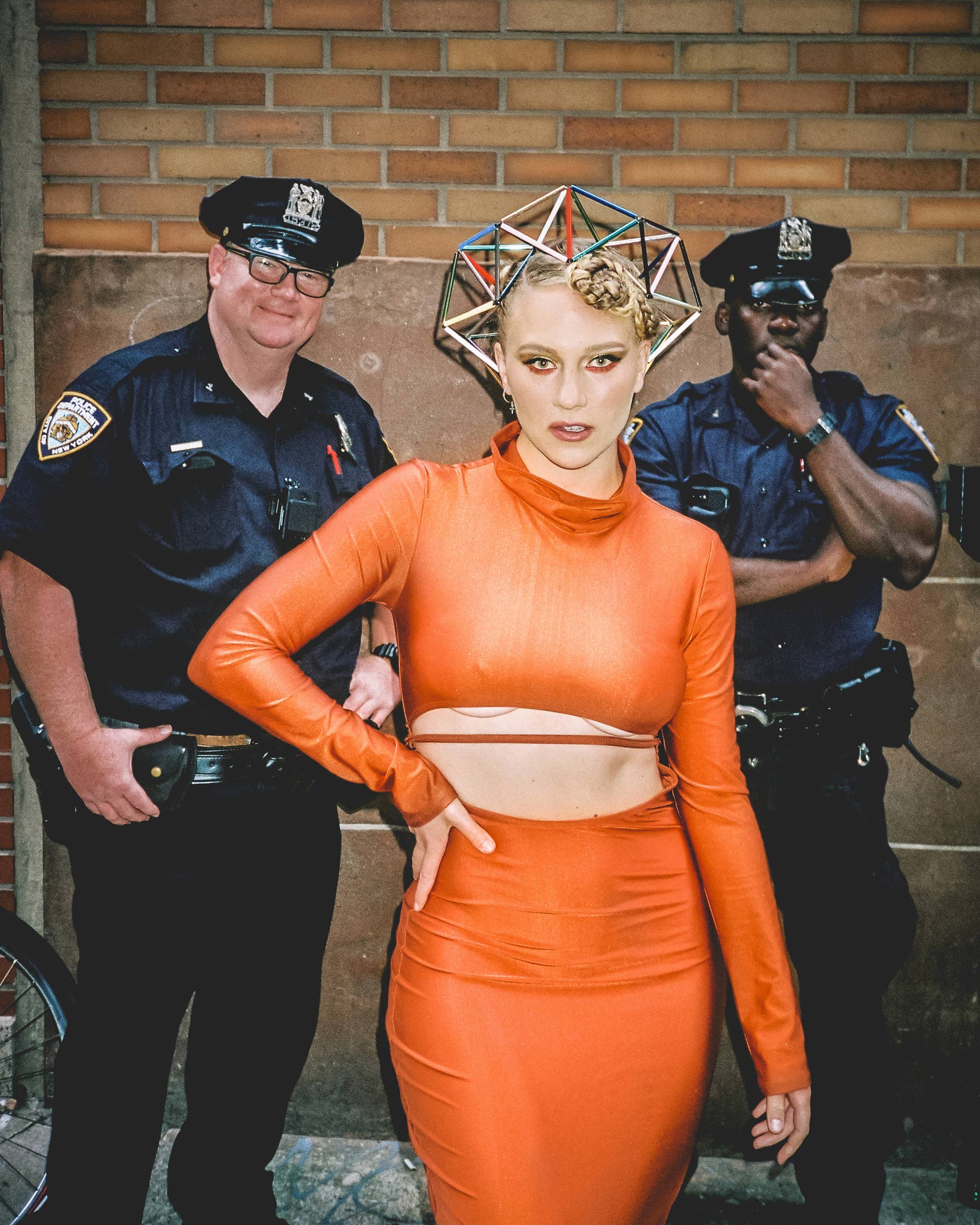
Photo: Dan Bassini
At the end of the day, what sets these photographers apart is that they never quit, regardless of setbacks.
“[There are days] I woke up depressed and I didn’t want to do shit,” Gochez says. “But then I picked up the camera, and my creativity found me in the end. I think it’s like working out: It’s a muscle that you need to keep training.”
It’s hard to not take rejections personally. Wang reminded herself that art is subjective, which encouraged her to keep going. “Every mistake can be made to seem like a choice, too,” she says.
By using what was available to them, walking into rooms without invites, networking wisely and showing up consistently, these photographers forged their own paths in the competitive world of fashion photography. They serve as a reminder that there’s no singular right way to break in.
“For me, tenacity, kindness and a healthy amount of delusion have gone a surprisingly long way,” White says.
