



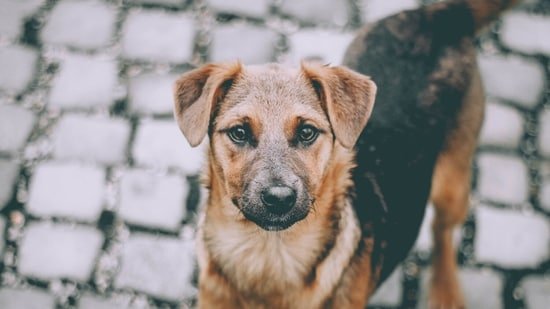
The summer season is brutal with record-breaking temperatures making headlines almost everyday. During heatwaves, people generally prefer to stay indoors, looking for the much-needed respite in the air-conditioned spaces to beat the heat. But what about the strays on the street, who have nowhere to go and no refuge from the merciless sun? At a time like this, all animal lovers must come together to help stray animals stay safe, hydrated and protected from heat-related distress and health emergencies.
ALSO READ: Can your dog get heatstroke in summer? Vet shares major warning signs every pet parent should know
Dr Vishal Dangle, scientific communication manager at Royal Canin, told HT Lifestyle about the vital steps people can take to help community pets stay hydrated, safe and protected during the harsh summer months.
“You don’t need too many resources or expertise, or burn a hole in your pocket to keep your neighbourhood strays safe during the summer,” the vet said, suggesting that one does not require a large-scale rescue setup or anything expensive to help the strays. It is actually doable and very basic, and they mean the world to the strays. “A simple bowl of water. A piece of fruit. A cardboard box in a corner. That’s all it takes. These small gestures of kindness can help our community pets get through the summer unscathed,” Dr Dangle further added.
Here’s the vet’s complete guide covering all the essentials on how you can protect stray animals during summer:
Essentials strays require
1. Water first, always
- Place bowls of fresh, cool drinking water outside your home, building, or shop.
- Water left out in the heat warms quickly, so make sure to check and refill the bowls throughout the day and place the bowl away from direct sunlight.
- Using clay or ceramic bowls can also help keep the water cooler for longer, offering much-needed respite from the heat.
2. Shade
- If you have a covered porch, a garage, or even a shaded, cool corner outside your home or even within the gates of your home, let community animals seek shelter there during the day’s hottest hours, typically between 11 AM to 4 PM.
- If you do not have that space, then consider preparing a simple, makeshift shelter built using cardboard boxes to block direct sunlight
3. Foods
- Keep food for the stays.
- A few pieces of watermelon or cucumber help replenish lost fluids in the body.
- Nutritious food like hydrating fruits help keep their energy levels stable when their bodies are working overtime to stay cool.
How to spot an emergency and what to do?
Watch out for these alarming signs:
- Heavy panting
- Excessive drooling
- Vomiting
- Weakness or inability to move
- Unresponsiveness
- Unconsciousness
What to do immediately
- Move the animal to a shaded or cooler spot.
- Offer small amounts of cool water.
- Wet their paws and body with cool water.
- Avoid forcing them to drink.
- Contact a local animal rescue group or veterinarian immediately.
Note to readers: This article is for informational purposes only and not a substitute for professional medical advice. Always seek the advice of your doctor with any questions about a medical condition.


