



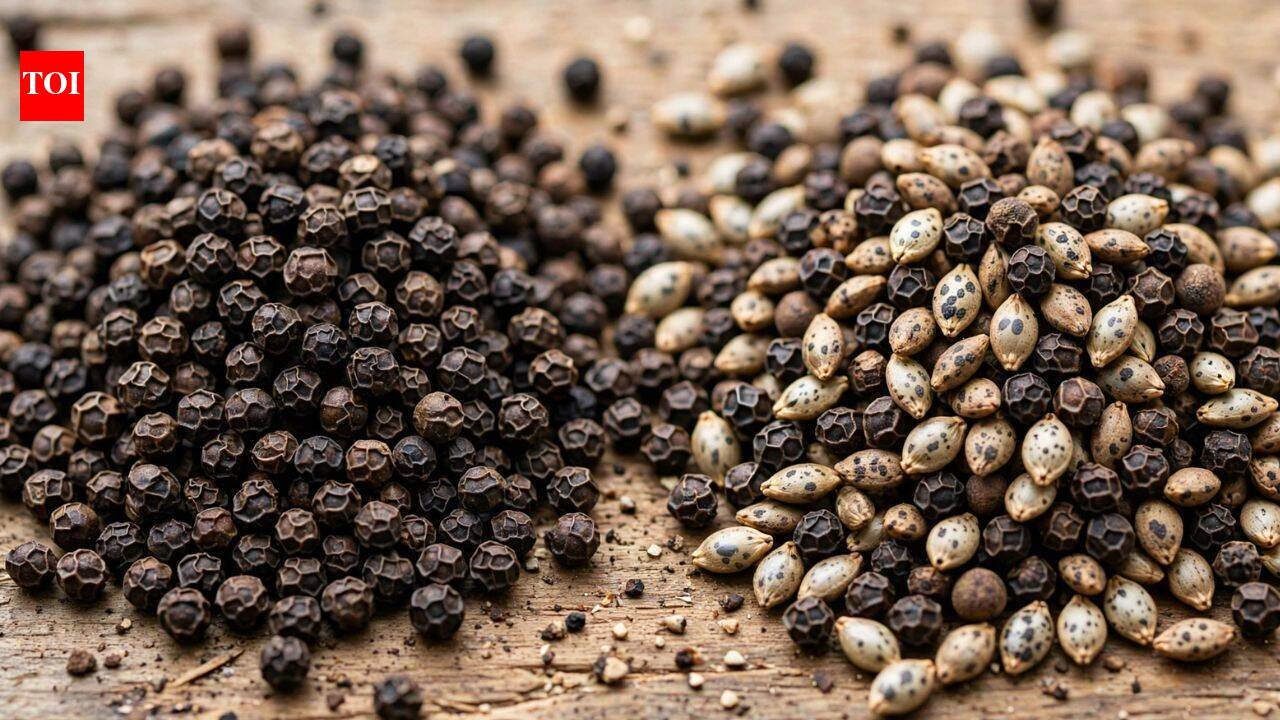
Black pepper is a kitchen staple, but the dark, wrinkled spice can sometimes be mixed with cheaper materials that resemble genuine peppercorns. Genuine Piper nigrum is often mixed with a broad range of potential adulterants, including papaya seeds, millet, mustard seeds, starches, and other plant and mineral materials. For consumers, however, a few simple observations can help identify suspicious peppercorns before they make their way into your food. From checking the shape and texture to pressing, smelling, and examining the pepper closely, these easy checks can help you spot signs of poor-quality or potentially adulterated black pepper at home. Whole peppercorns are easier to inspect because you can examine their colour, surface, and shape before using them. Unusual seeds, weak aroma, or berries that break apart easily can be reasons to look more closely at a batch. These checks are simple to carry out in your kitchen and can help you decide whether your pepper needs closer scrutiny before you add it to your food.
How to check if your black pepper is real at home
Check the colour and surface
Start by examining a few whole peppercorns under good lighting. Genuine black peppercorns should generally have a dark brown to black colour and a rough, wrinkled surface. They should also appear relatively uniform and well formed. If you notice unusually light, smooth or irregular seeds mixed among the peppercorns, they should be seen with a closer look. A difference in appearance does not automatically prove adulteration, but it can be a useful warning sign.
Try the press test
Take a small quantity of black pepper and place it on a clean, dry surface. Press the peppercorns gently with your finger. Unadulterated pepper berries should not break away easily when pressed, while adulterated berries that are lighter can break away more easily. Check several peppercorns rather than relying on a single berry before judging the batch.
PC: AI Generated
Smell the peppercorns
Fresh, genuine black pepper should have a strong, pungent and distinctly peppery aroma. Crush or break a small amount and smell it closely. A weak or unusual smell can indicate that the pepper is of poor quality or potentially mixed with other material. Aroma alone cannot establish whether pepper is authentic, but it can help you identify pepper that does not have the characteristic smell expected from a good-quality spice.
Look for unusual or broken seeds
Take a small handful and examine the peppercorns individually. Genuine peppercorns are generally small, round, and slightly wrinkled. Watch for seeds that are noticeably different in shape, size, colour or texture. For instance, papaya seeds and other substitutes can resemble pepper, which means unusual-looking pieces should not simply be ignored. Separating anything that looks distinctly different can help you identify a suspicious batch before grinding it.
Try the water test
Take a small quantity of whole black pepper and drop it into a clear glass of water. Pure black pepper settles at the bottom, while papaya seeds used as an adulterant float on the surface. This makes the test a simple way to check whether a batch contains papaya seeds.
PC: AI Generated
Examine the pepper on white paper
Spread a small amount of pepper on a sheet of white paper and examine the individual pieces closely, preferably with a magnifying glass. Genuine black pepper is brown with a wrinkled surface. They may also appear greenish-brown or blackish-brown.
Quick tips to check black pepper
- Choose whole peppercorns instead of pre-ground pepper when possible.
- Look for a dark brown to black colour and naturally rough, wrinkled surface.
- Avoid batches containing many unusually smooth, light or differently shaped seeds.
- Gently press a few peppercorns; genuine berries should generally not crumble or break apart easily.
- Crush and smell them; good-quality black pepper should have a strong, pungent aroma.
- Compare several peppercorns rather than judging the entire batch from one unusual piece.
- Remove any seeds that look noticeably different in colour, size, shape or texture.
- Remember that these are home checks, not proof of adulteration; laboratory testing is needed for confirmation.


