



Marriage in India is not disappearing; it is evolving. That is the biggest takeaway from Jeevansathi’s latest data-led report, The Big Shift: How India Is Rewriting the Rules of Partner Search and Marriage. The study analyses user
trends from 2016 to 2025 and includes survey insights from over 30,000 active users in 2026. The findings clearly show that Indians are changing how they approach partner search and commitment.

One of the most striking changes is the steady rise in marriage age. Over the past decade, the median age of Jeevansathi users has moved from 27 to 29. Today, 50% of users begin their partner search at 29. This suggests that more
people are prioritising career growth, financial stability and emotional readiness.

Another major shift is who is behind the process. In 2016, 67% of profiles were self-managed while 33% were handled by families. Today, 77% of profiles are created and managed by individuals themselves and family-managed profiles
have reduced to 23%. Interestingly, in Tier 3 cities, siblings are often more involved than parents, acting as digital bridges between tradition and technology.
Caste preferences have also seen a dramatic decline. In 2016, 91% of users selected caste as a strict partner filter. By 2025, that number has dropped to 54%. The shift is even more visible in metro cities, where only 49% continue
to apply strict caste filters. Compatibility, shared values and lifestyle alignment are clearly gaining importance over rigid traditional identifiers.

Remarriage is another area where major changes have been witnessed. In 2016, 11% of users on the platform were looking for a second marriage. By 2025, that figure increased to 16%, marking a 43% rise over ten years. Notably, 15%
of the interest received by divorced profiles now comes from never-married users, showing a gradual reduction in social stigma.

Another key aspect highlights the increasing importance of emotional compatibility over traditional benchmarks. According to the report, 90% of users say finding the “right person” matters more than age or income level. This sentiment
is almost the same across genders, indicating that emotional readiness has overtaken chronological or financial milestones in defining marriage readiness.

Despite growing independence, families continue to play a pivotal role. About 69% of users say parental involvement makes the process easier, either always or sometimes. Among women, this number is even higher at 75%. The data points
to a hybrid model where individuals lead decisions but still value family participation.
Financial roles within marriage are also being renegotiated. Only 8% of users believe one partner should be the sole breadwinner. Meanwhile, 87% of men say they are comfortable marrying a woman who earns more and 15% of women say
they are open to marrying men who earn less.
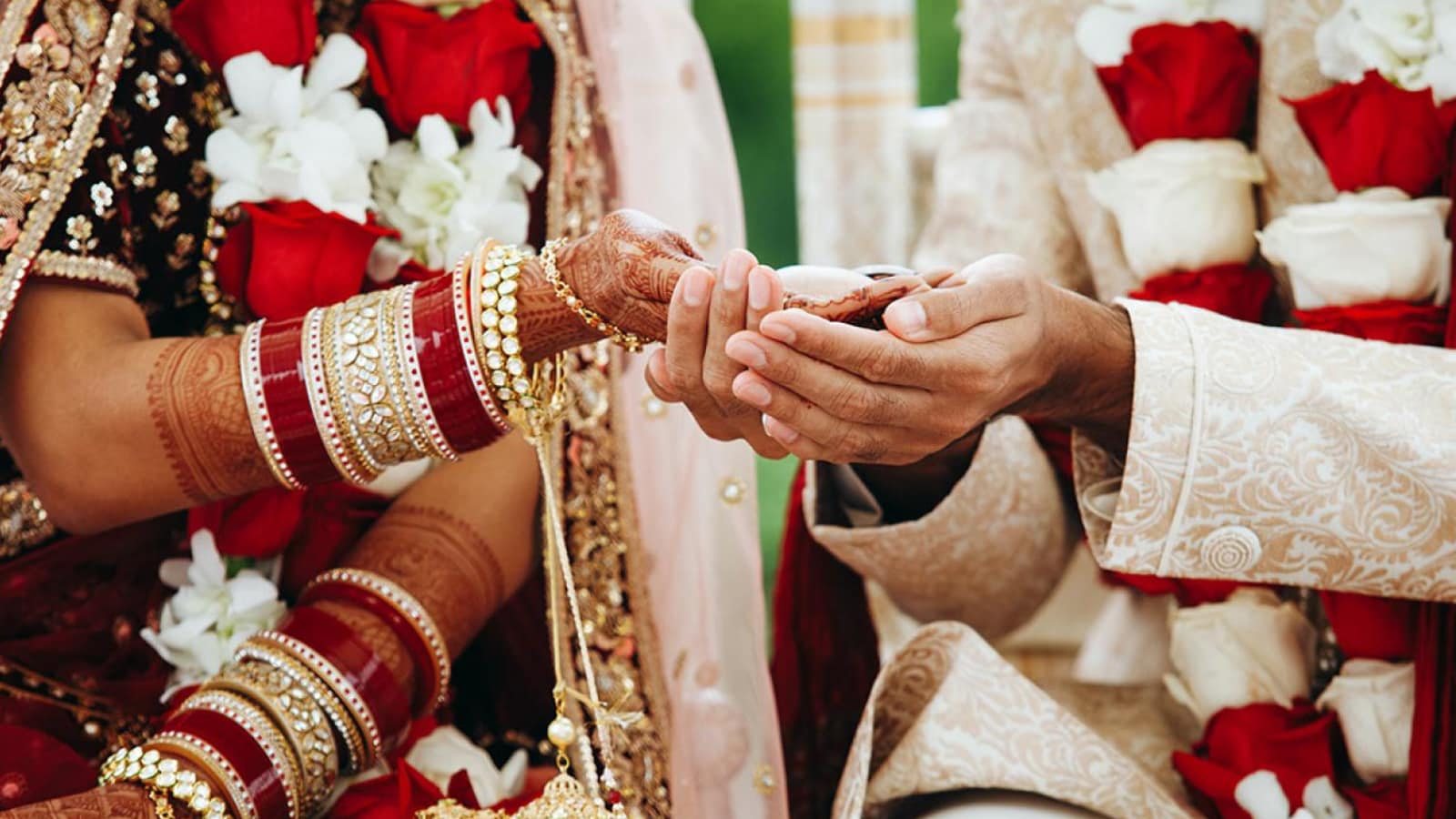
Meanwhile, the intent also remains strong. About 78% of users say they plan to marry within the next six months and nearly half hope to do so within three months. The report ultimately shows that marriage in India is not declining.
Instead, it is being reformed, blending modern aspirations with family values.


