









Need extra funds for your next purchase?
Loan up to ₹5 Lakhs
Starting at 11% p.a.*
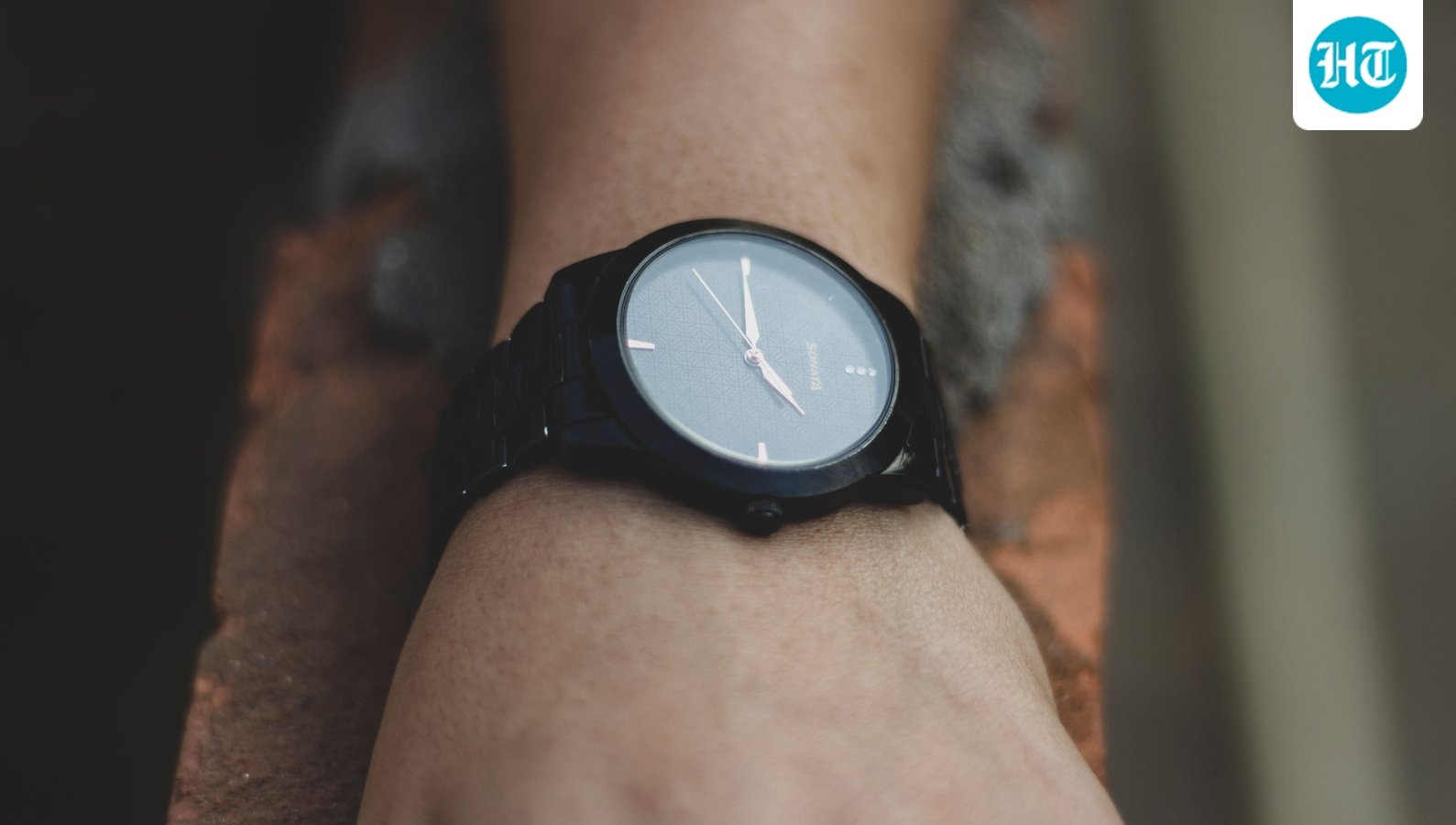
I’ve learnt this the slightly annoying way: a watch can look gorgeous online and completely different once it’s sitting on your wrist.
For the longest time, I thought choosing a watch was mostly about the dial colour, strap and whether it went with my clothes. Then I tried on watches that looked either comically oversized or almost lost on my wrist, and realised that proportion matters just as much as design.
Your wrist size, the watch’s case diameter, its thickness, the shape of the case, and even the strap can change how it looks. Citizen’s own fit guide recommends considering case shape and thickness alongside wrist size, rather than treating diameter as the only measurement.
So if you’re shopping for a new watch and wondering, “Will this actually look good on me?”, here’s what I now check before hitting buy.
First, I actually measure my wrist
This sounds unnecessarily serious for a fashion accessory, but it saves so much guesswork.
You can use a flexible measuring tape around the wrist where you normally wear your watch. If you don’t have one, a strip of paper or thread works too, you can then measure it against a ruler. Citizen also recommends measuring your wrist when deciding on the appropriate fit.
I wouldn’t obsess over finding one “perfect” case diameter, though. Wrist measurements are a starting point, not a fashion law.
The same watch can look completely different depending on whether it has a narrow bezel, a chunky case, a rectangular face or long lugs.
If you have a smaller wrist, don’t automatically choose a tiny watch
This is where I think watch shopping gets unnecessarily confusing.
If you have a petite wrist, a smaller or medium-sized case will usually look more proportionate, particularly if you’re after a classic or elegant aesthetic. But that doesn’t mean you have to ban yourself from larger watches.
A slim watch with a larger-looking dial can still work beautifully because the overall visual weight is different.
For a delicate everyday look, I’d personally lean towards smaller, slimmer cases, leather straps or narrow metal bracelets. They tend to sit closer to the wrist and look especially good with dresses, kurtas and tailored outfits.
And if you’re wearing a chunky watch because you genuinely love the style? Wear it. Fashion is allowed to be slightly disproportionate.
A larger wrist can carry a bigger dial, but proportion still matters
If your wrist is broader, a very small watch can sometimes look a little lost.
This is where larger case sizes, wider straps and chunkier bracelets can create better visual balance. Sport watches and chronographs naturally tend to have more presence, so they can work particularly well if you prefer a statement accessory.
But there’s another measurement people often forget: lug-to-lug.
A watch with a relatively modest diameter can still feel large if its lugs extend significantly beyond the sides of your wrist. Looking at the full case dimensions, rather than just the headline diameter, gives you a better idea of how it will actually sit.
For example, Seiko lists both diameter and lug-to-lug measurements in its specifications, which is useful when comparing how different watches might wear.
Then there’s case thickness, and this changes everything
I’ve found that two watches with the same diameter can look completely different because one is much thicker.
A chunky case sits higher on the wrist and immediately feels more substantial. A slim case sits closer to the skin and tends to look more refined.
Citizen specifically notes that case thickness affects how high a watch sits on the wrist, with thinner cases creating a sleeker profile.
So if you’re looking for an everyday office watch, I’d consider a slimmer case. If you’re buying a sporty watch and want it to have presence, a thicker case may actually be part of the appeal.
Your wrist isn’t the only thing deciding the size
This is my favourite part because it makes watch styling much more fun.
The shape of the case matters.
A round watch can feel classic and understated. A square or rectangular watch immediately has more of a vintage, jewellery-inspired personality. An oversized chronograph feels sporty. A tiny rectangular watch can look almost like a bracelet.
The strap changes the equation too.
Leather straps generally create a softer, more classic appearance, while metal bracelets can make the same case feel more substantial. Materials also affect the physical weight of a watch, so what looks good isn’t necessarily what feels best after eight hours of wearing it.
Here’s the easiest way I match a watch to my outfit
I don’t actually start with wrist size when I’m styling a watch. I start with the mood of the outfit.
If I’m wearing a crisp shirt and trousers, I love a slim leather-strap watch.
With jeans, sneakers and an oversized shirt, a slightly chunkier metal or sporty watch feels more natural.
For a saree or dress, I’d choose something delicate, perhaps a champagne dial, slim bracelet or vintage-inspired square case.
And with a casual co-ord? That’s when I have the most fun with oversized watches.
The trick is to make the watch feel like part of the outfit rather than an object you’ve simply strapped onto your wrist.
Don’t ignore the strap
A perfectly sized case can still look wrong if the strap is too wide or too long.
As a general styling rule, I find slimmer straps work beautifully with smaller cases and delicate outfits, while wider straps complement larger, sportier watches.
And if you’re buying a metal bracelet, make sure it can actually be adjusted to your wrist. Bracelet sizing varies by model, and brands may use removable links to achieve a better fit.
You want the watch to feel secure without squeezing your wrist.
My no-fuss watch-buying checklist
Before I buy a watch online, I now check five things:
1. My wrist measurement — so I know roughly what I’m working with.
2. Case diameter — the obvious measurement, but definitely not the only one.
3. Lug-to-lug length — especially important if you’re shopping for a larger watch.
4. Case thickness — because a chunky case can completely change the look.
5. Strap width and material — because these affect both proportion and comfort.
And if the brand offers a virtual try-on tool, I’d use it. Citizen, for instance, has a virtual try-on feature that lets shoppers see how a watch looks on their wrist and compare its scale.
Ultimately, there isn’t one “correct” watch size
This is probably the most useful thing I’ve learnt.
Watch sizing guides can tell you what is conventionally proportionate, but your personal style still gets the final vote.
Maybe you have a small wrist and love an oversized watch. Maybe you have a broad wrist and prefer a tiny vintage-inspired dial. Neither choice is wrong.
For me, the best watch is one that feels comfortable, sits properly on my wrist and makes my outfit look a little more intentional.
Because honestly, once you’ve found that sweet spot between proportion, comfort and your personal style, you stop wondering whether your watch is the right size, and start wondering how many more you can justify buying.


