


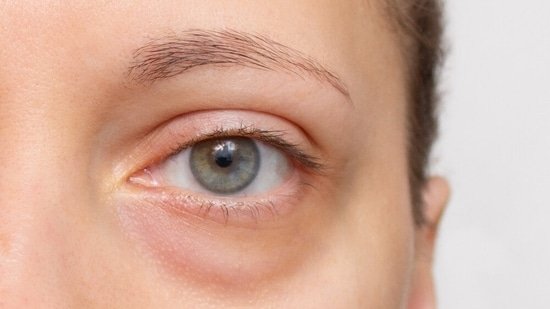
The hotter months can trigger a lot of health problems. The range of health problems includes skin breakouts and gut issues like acidity and heartburn, to bowel problems such as constipation. Just like these parts of the body, your eyes can also take a hit, with many observing puffiness, dark circles, dryness and a tired appearance during summer.
Let’s try to understand from an expert why the eyes become puffier and why dark circles appear during summer. Dr Neeraj Sanduja, director at Viaan Eye and Retina Centre, Gurugram, shared with HT Lifestyle all the essentials you need to know about puffy eyes management in hotter months.
Why do you have puffy eyes during the summer?
Did you know your skin around your eyes is far more delicate than the skin on the rest of your face? This is why the under-eye area is first to show signs of summer or, in general, heat-related stress.
“Increased heat, sun exposure, dehydration, and environmental pollutants can significantly affect the delicate skin around the eyes. The periocular skin is among the thinnest in the body and is particularly vulnerable to fluid retention, pigmentation changes, dryness, and irritation,” Dr Sanduja described why that area is vulnerable, and one may see a change in appearance in that area.
This condition is called periorbital puffiness, and as the doctor outlined, it commonly occurs due to fluid accumulation in the loose tissues around the eyes. High temperatures, excessive salt intake, dehydration, inadequate sleep, allergies, and prolonged screen exposure can all contribute to this.
Can dark circles happen too?
Dark circles appear as darker patches under the eyes. They may look brownish due to several reasons. The dermatologist mentioned that the pigmentation shows up as a blush, or purplish, because of visible blood vessels beneath thin skin, or hollow and shadowy due to fatigue or dehydration.
How to manage dark circles and eye bags?
Here is a brief guide on how you can manage, as shared by the doctor:
1. Try cold compression
- One of the simplest ways to reduce under-eye puffiness is cold compression.
- You can apply chilled cucumber slices, refrigerated gel eye masks, cold spoons or cooled tea bags over closed eyelids for 10 to 15 minutes.
- This can help constrict superficial blood vessels and reduce swelling around the eyes.
2. Use tea bags for temporary relief
- Green or black tea bags may also help because they contain caffeine and antioxidants.
- These can temporarily improve microcirculation and reduce swelling around the eyes.
- But make sure the tea bags are cooled properly before placing them on the eyelids.
3. Stay hydrated
- During summer, increased sweating can lead to dehydration, making the under-eye area appear dull, sunken and tired.
- Drinking enough water and eating water-rich foods like cucumber, watermelon and citrus fruits can help maintain skin hydration and elasticity.
4. Be careful with natural remedies
- Aloe vera gel may help soothe irritated or sun-exposed skin, while almond oil can support the skin barrier when used gently and in moderation.
- Some people also use potato slices or potato juice for pigmentation, but scientific evidence for these remedies is limited.
- Since the eye area is very delicate, avoid applying anything too close to the eyes or using ingredients that cause burning or irritation.
5. Reduce salt intake
- Excessive sodium can make the body retain water, which may worsen eyelid puffiness.
- Cutting down on processed, packaged and salty foods can help reduce fluid retention around the eyes.
6. Prioritise sleep
- Lack of sleep can make dark circles and under-eye puffiness appear worse.
- Getting around seven to eight hours of sleep every night allows the skin and blood vessels to recover better, reducing the tired appearance of the face.
7. Protect your eyes from the sun
- Sun exposure can increase pigmentation, speed up collagen breakdown and contribute to premature ageing around the eyes.
- Wearing UV-protective sunglasses and using sunscreen formulated for sensitive facial skin can help protect the under-eye area.
When should you see the doctor?
Although most cases of mild puffiness and dark circles are cosmetic and temporary, Dr Sanduja shared that persistent swelling, redness, itching, pain, or sudden asymmetry should not be ignored, as these symptoms may indicate allergies, infections, thyroid disease, or other underlying medical conditions.
Note to readers: This article is for informational purposes only and not a substitute for professional medical advice. Always seek the advice of your doctor with any questions about a medical condition.
