






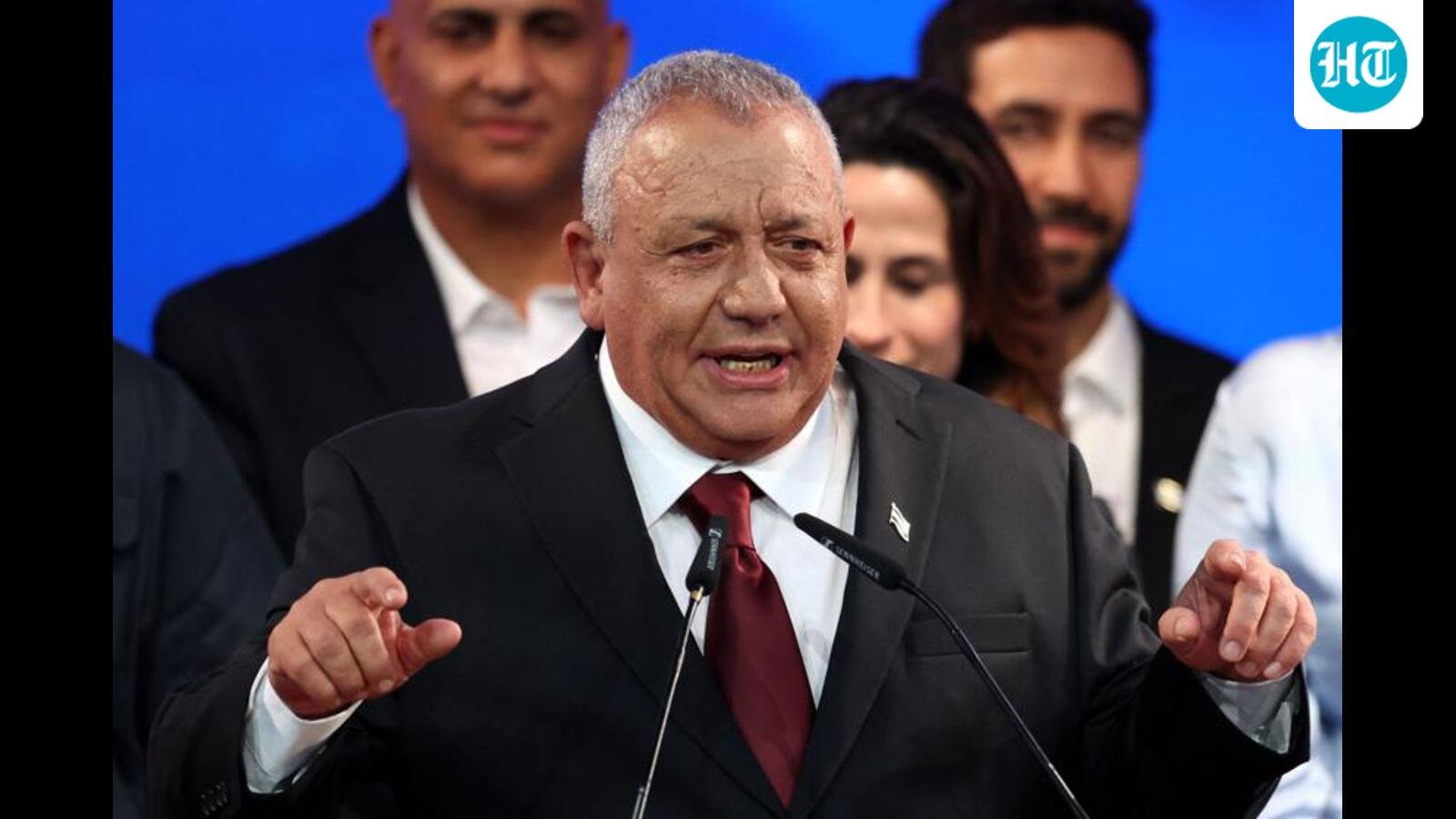
The biggest story in the Israel elections, apart from the cloud over Benjamin Netanyahu retaining power, is the historic showing of the Joint List and United Arab List, or Palestinian, parties. Palestinian citizens of Israel have consolidated as a voting bloc. It looks unlikely that the rival coalitions led by Netanyahu’s Likud and Gadi Eisenkot’s Yashar will gain a majority of 61 seats, which would give the Arab parties a decisive say, if anyone is willing to ally with them.

Such a miraculous coalition between Arab and Jewish parties has happened only once before. In 2021, United Arab List (Ra’am) became the first independent Arab party to join an Israeli governing coalition led by Naftali Bennett. The alliance fell apart the next year. While Netanyahu considers it nothing short of treason to work with the Arab parties, even the opposition parties have pledged to steer clear of them during their campaign. However, while counting was underway, the Left-leaning Yair Golan, the leader of the Democrats party, urged the opposition to oust Netanyahu with the help of Arab citizens. While Netanyahu’s government is considered the most Right-wing in the history of Israel, his chief opponent, Eisenkot, is just as much of a hardliner on Palestine and vowed to end Hamas rule in Gaza within 18 months. On the West Bank, Eisenkot differs with Netanyahu on the question of the controversial E1 settlement, a plan practically splitting the territory in two. Eisenkot also wishes to curb Jewish settlements there. Since he’s also opposed to the two-State solution, Tel Aviv’s approach to Palestine may not change even with Netanyahu’s exit. The only hope may be restraints on bombing Gaza that the Arab parties could bring about, should they join a ruling coalition.


