






Pakistan returned from England with almost nothing to celebrate. A 3-0 whitewash had exposed familiar weaknesses, the batting had repeatedly buckled under pressure, and the final Test at Edgbaston had seemed destined to end in another emphatic defeat.
Then Razaullah Mashwani appeared from the margins of the squad and briefly altered the mood. The 21-year-old bowled with genuine pace on debut before producing an extraordinary second-innings counter-attack, smashing 81 from 63 balls and adding 121 for the ninth wicket with Mohammad Abbas as Pakistan overturned a 320-run first-innings deficit.
The innings did not rescue the Test, and it certainly did not rescue the tour. England still won by eight wickets to complete the sweep, but Razaullah had done enough to return home as one of the few Pakistan players whose reputation had been enhanced by the series.
What happened next, however, became the subject of a far more uncomfortable conversation. Razaullah was greeted by large crowds on his return to Pakistan, welcomed with garlands, bouquets, and the kind of public celebration usually reserved for a triumphant campaign. Wasim Akram saw no romance in the spectacle. To the former Pakistan captain, it illustrated precisely the sort of thinking that has allowed standards to deteriorate.
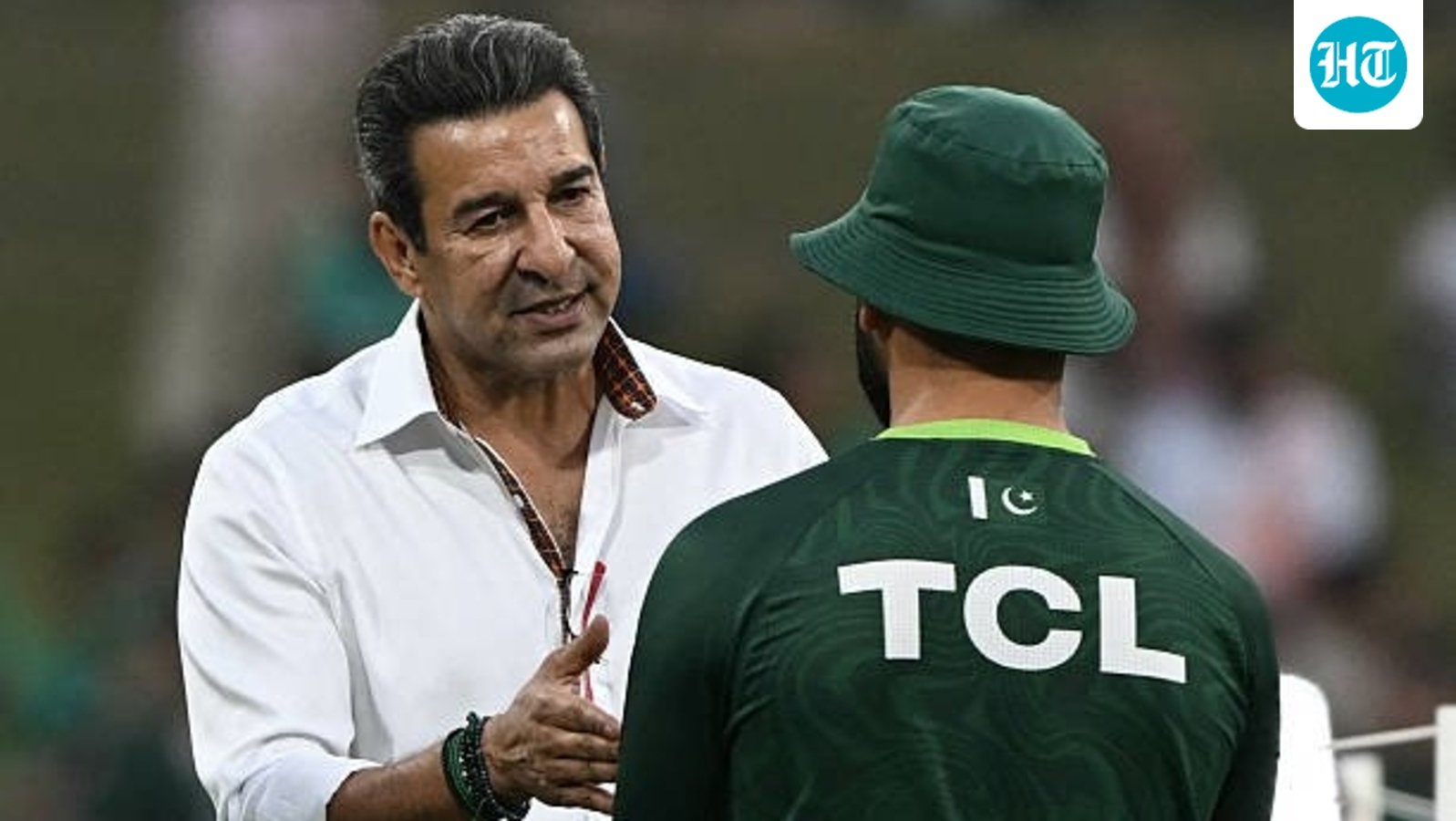
Speaking at a charity event in Manchester with Waqar Younis alongside him, Akram delivered a scathing assessment of the reception. “Jara muh chhupake jao (hide your face at least). Go and celebrate at your home. Let me get this straight, you may bring the best coach in the world, the best chairman in the world, but the players are from here, they are the same. There are no new players,” Akram said.
He then placed the celebrations against the only context he believed truly mattered: Pakistan had been comprehensively beaten. “Let’s talk about mindset, very talented. So, we got hammered by England, not lost, hammered. So he arrives in Islamabad with 5,000 people to welcome him. His whole village came to receive him with bouquets and garlands. This tells you the mindset. We have accepted mediocrity,” he added.
A debut worth noticing, not canonising
Akram’s criticism was not an attack on Razaullah’s performance. The youngster had been one of Pakistan’s rare discoveries on a disastrous tour, and his debut contained enough raw promise to justify considerable excitement about what might follow.
His larger objection was to proportion. In Akram’s telling, Pakistan cricket had become too willing to separate an individual flash of brilliance from the result that surrounded it, rewarding moments rather than demanding sustained collective excellence.
Razaullah’s emergence had also been remarkably abrupt. He was flown to England during Pakistan’s mid-series overhaul and thrust into the final Test with little international pedigree behind him, a decision that underlined just how desperately the management was searching for answers.
Babar Azam later admitted he had known little about the youngster before his arrival. “To be honest, I didn’t know too much about him before he arrived. But I had heard things about his batting because he came in as an opener and he scored 100 in first-class cricket. So I heard about that innings,” Babar said.
England captain Joe Root was similarly unfamiliar with Razaullah before the debutant began swinging freely and disrupting the hosts’ plans. The performance ensured that Razaullah will not remain an unknown for long. Akram’s argument, however, was that Pakistan must resist turning discovery into achievement before the harder work has even begun.
A promising debut can provide encouragement. After a 3-0 whitewash, Akram’s message was that it should not provide absolution.


