


On April 14, the India Meteorological Department (IMD) issued a heatwave warning after observing rising temperatures, with the maximum temperature reaching 43.8°C in Akola, Maharashtra, and it is only April! As heatwaves are expected, you need to adopt immediate precautions to stay safe during this period. Among these, dietary choices stand out, aiding in supporting your body from the inside to endure this extreme heat.
ALSO READ: Swimming this summer? Ophthalmologist shares 4 eye protection tips: ‘Never rub your eyes…’
Protection begins by understanding, end-to-end, what to eat during a heatwave, especially. Your regular diet won’t make the cut. Let’s find out if you are ready to brace for the impact of a heatwave.
In a conversation with HT Lifestyle, Dr Vimal Pahuja, associate director, internal medicine and metabolic physician at Dr Hiranandani Hospital, Powai, Mumbai, shared what to eat and drink so that you stay hydrated with vital electrolytes balanced.
Observing one common mistake people make during heatwaves, he shared, “In my practice as an internal medicine physician, I’ve encountered numerous individuals who fail to realise that their everyday dietary habits can either safeguard them from heatstroke or bring them nearer to it.”
Identifying this pattern is essential, as often people overlook and underestimate the strength of preventive nutrition until they fall sick.
What should you drink during a heatwave?
During the summer season, you sweat more, so naturally, during heatwaves, sweating increases exponentially. The doctor positioned hydration as the body’s primary defence against heat-related illnesses. While water remains the best source of hydration, he also listed other options for a more well-rounded approach, as they provide electrolytes that can be depleted due to excessive sweating.
“Oral rehydration drinks, chaas (buttermilk), and tender coconut water offer the ideal balance of electrolytes and fluids,” Dr Pahuja named a few hydration sources that help you, along with water.
But be careful about certain beverages like sugar-sweetened ones, carbonated drinks, and packaged juice. The physician warned, “They increase blood glucose levels and induce diuresis.” If you don’t know, diuresis is a process that makes your system produce more urine, causing greater fluid loss from your body.
You can also go for some traditional drinks. “Go for a glass of aam panna or sattu drink, which cools you down while being packed with minerals and nutrients,” the doctor recommended.
Lastly, he addressed drinking patterns and advocated for consuming water regularly instead of waiting until one feels thirsty. Why is this important? He explained, “Thirst is a late indication of mild dehydration.” So, don’t wait until the early stages of dehydration set in; keep drinking water regularly.
What should you eat during a heatwave?
Seasonal fruits can help you stay cool. There are many that grow during the hotter months. The physician shared some foods that strengthen the body’s defence mechanism against heat damage.:
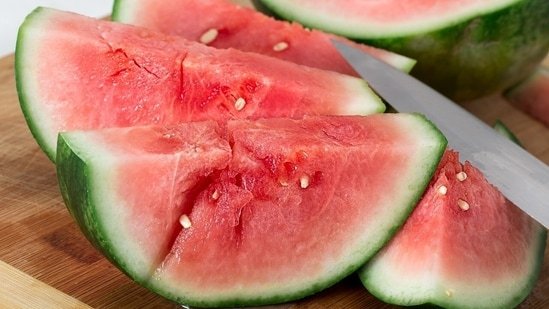
- High-water-content fruits: Watermelons, muskmelons, papayas, oranges, and various berries.
- Fresh vegetables: Cucumber, lauki, and patthar ka ghia should be part of your salad or curry. They calm the stomach and aid digestion.
- Whole grains: Foods like moong dal khichdi or plain rice with curd provide energy without stressing the metabolism.
Which foods and drinks should you avoid?
As aforementioned, steer clear of beverages like caffeine and alcohol due to their diuretic properties. Likewise, the doctor also cautioned against spicy foods as they raise your body temperature, and digestion slows down. The doctor advised eating light meals during extreme heat.
Who is at risk during the summer season?
There are some people who are more vulnerable, which means they need to be more careful.
The physician warned people with diabetes, high blood pressure, obesity, or heart conditions who are considered at higher risk because of poor heat tolerance and different requirements regarding hydration.
Why? He reasoned, “There are medications like diuretics and beta blockers that interfere with the body’s adaptation process.”
Because of this, he recommended that they drink plenty of fluids, avoid strenuous activities outside during the daytime, and pay close attention to symptoms like dizziness, fast heartbeat, and tiredness.
Note to readers: This article is for informational purposes only and not a substitute for professional medical advice. Always seek the advice of your doctor with any questions about a medical condition.
