


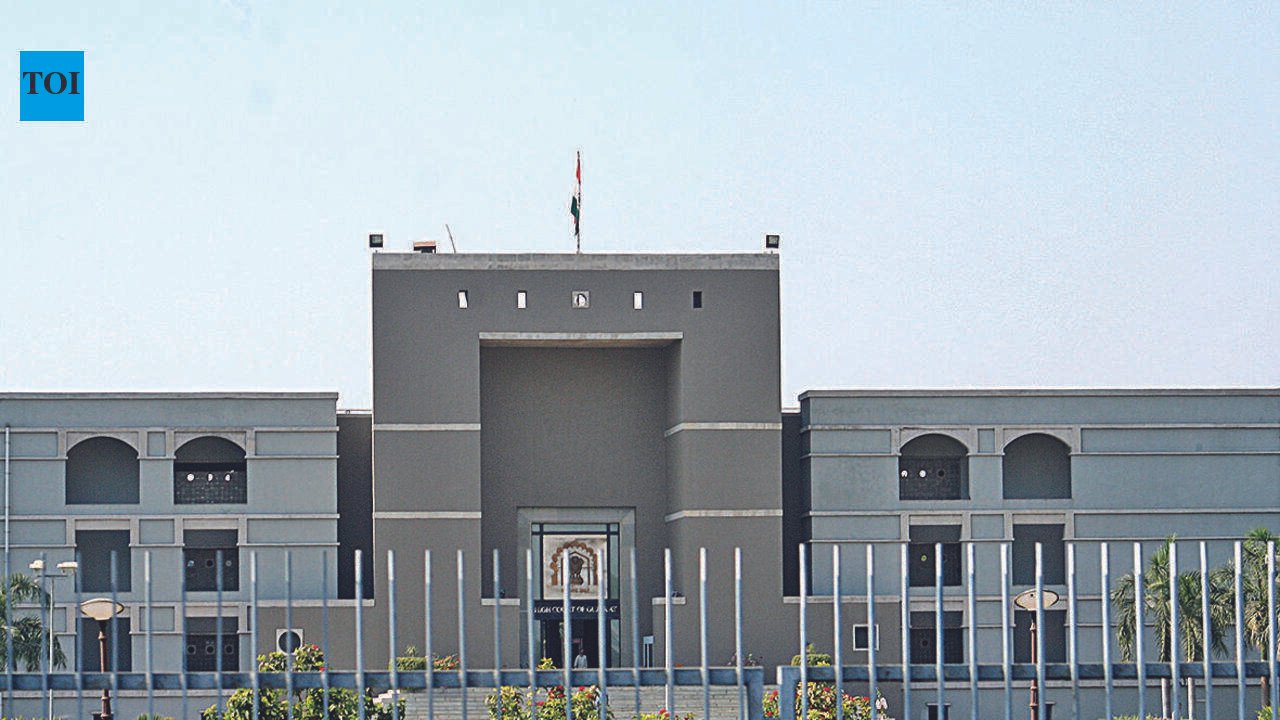
Ahmedabad: An inheritance meant for charity became the subject of a courtroom battle that lasted more than three decades. When Kantilal Shah died in 1994, he left behind not just his properties, but also two competing wills: one favouring a Vadodara NGO, and another naming a doctor as the beneficiary. Gujarat High Court has now ruled in favour of the doctor, ending the prolonged contest.Shah, who owned a company, had named Jalaram Sevashram Trust as the beneficiary of his properties in a will drafted in April 1993. The dispute arose because Shah executed another will in Nov 1993, naming a woman doctor as the beneficiary of his properties. She had treated him, developed a close friendship with him and lived with him during the final years of his life.As the later will reflected Shah’s final wishes, the doctor obtained probate and letters of administration and took possession of his house on Akota Road in Aug 1994, four months after his death.Three trustees — Kamlesh Dave, Gunvanti Vaghela, and Ashok Dholakia — challenged the grant before a Vadodara civil court. They sought revocation of the probate and letters of administration issued in the doctor’s favour under Section 263 of the Indian Succession Act.The trustees raised several objections, including a contention that the will relied upon by the doctor did not bear Shah’s signature. However, they failed to produce evidence to substantiate their claims. The civil court rejected their plea to revoke the probate and also dismissed their application seeking probate of Shah’s April 1993 will that had bequeathed the properties to the trust.In 2007, the trustees approached HC, challenging the lower court’s decision that upheld the Nov 1993 will in favour of the doctor and refused probate for the earlier will benefiting the NGO.Appearing for the doctor, advocate A R Majmudar argued before HC that the trustees did not object when a public notice regarding the probate proceedings was issued. He further submitted that the allegations concerning Shah’s signature on the later will had not been properly established.The high court also noted that the trustees could not effectively dispute Shah’s signature on the second will. It observed that the witness produced on this issue was a company secretary and not a handwriting expert.HC said in its order, “The fact remains that the executor-appellant did not raise any question regarding the title of the immovable property, which stands in favour of the beneficiary.”
