


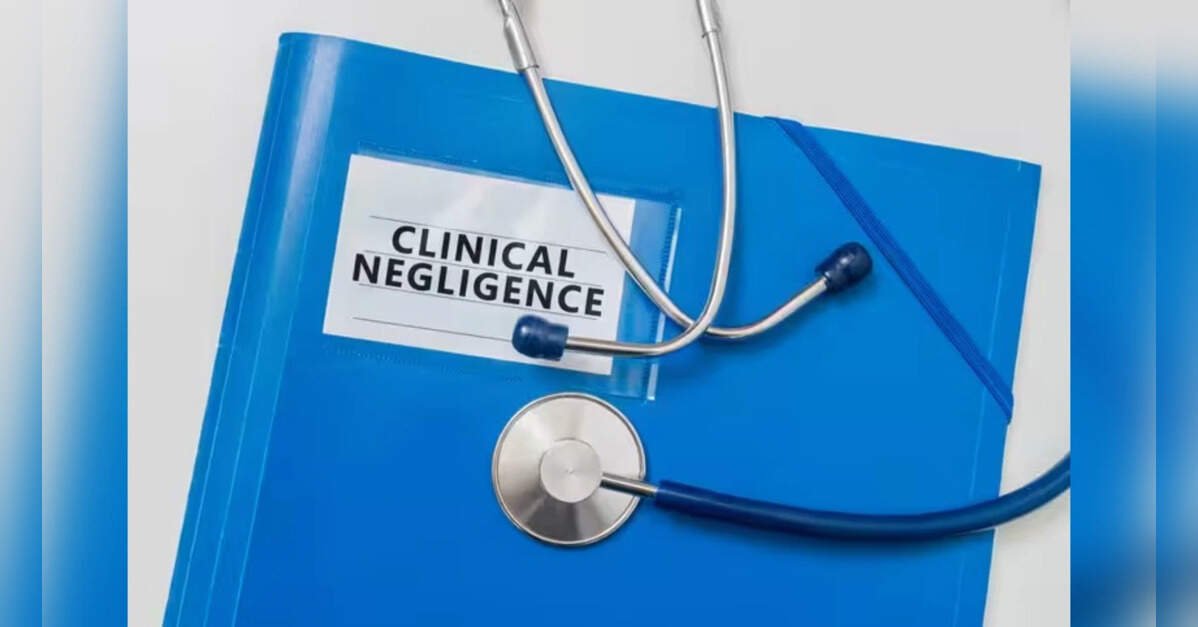
Chandigarh: The Haryana Human Rights Commission has emphasised the need for a clear, independent and effective appellate mechanism for persons aggrieved by the findings of District Medical Negligence Boards.
The Commission observed that merely having a mechanism at the district level for examining complaints is not sufficient. “If a person is aggrieved by the opinion or findings of a District Medical Negligence Board, an effective remedy must be available to challenge the same before a higher or independent authority,” it said.
The directions were issued in an order passed in a complaint, and the matter was heard by the full bench of the Haryana Human Rights Commission (HHRC) comprising Chairperson Justice Lalit Batra, Member (Judicial) Kuldip Jain, and Member Deep Bhatia.
Referring to its earlier order, the Commission observed that there is an urgent need for a codified legal framework to regulate such situations.
In the absence of statutory rules and clear guidelines, a person aggrieved by the findings of a District Medical Negligence Board is left without a clear remedy or appellate recourse, it observed and in an order dated August 27, said that the state government should formulate appropriate rules and guidelines to provide a structured and effective mechanism for redressal where the findings of the Board are contested.
In its report submitted before the HHRC, the Haryana Health Services DG referred to the state government’s notification issued in 2017 and the subsequent amendment made in 2018, under which district medical boards have been constituted for examining complaints relating to medical negligence.
The Commission, however, made it clear that the mere existence of a mechanism at the district level for examining complaints cannot, by itself, be treated as providing an effective remedy against the decision or opinion of the Board.
It further observed that the report did not disclose any appellate, review or revisional mechanism through which the findings of a District Medical Negligence Board could be challenged before a higher or independent authority.
Merely because a mechanism exists at the district level, an aggrieved person cannot be left without a remedy, the HHRC pointed out, and when such boards’ opinions or findings are under challenge, there must be a clearly defined, independent and structured appellate recourse.
It also dismissed the DG’s apprehension that constitution of a state-level appellate authority could lead to parallel proceedings and clarified that it would lead to successive stages of adjudication.
“The appellate mechanism would come into operation only when an aggrieved person chooses to challenge the findings of the District Medical Negligence Board,” it said.
HHRC Assistant Registrar Puneet Arora said that, in accordance with the order of the full bench of the Commission, senior government officials have been directed to present their respective stands before the HHRC through video conferencing on the next date of hearing.
They have also been directed to submit a progress report to the Commission at least one week prior to the next date of hearing. The matter has been adjourned to January 21, he added.
