



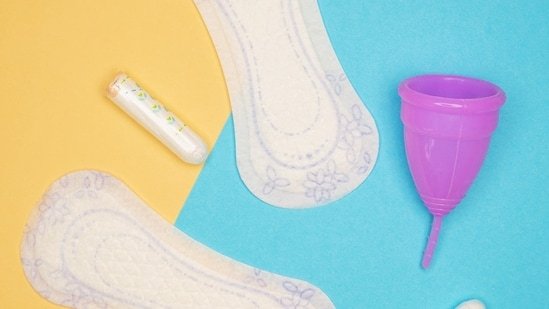
Over the last few years, conversations around women’s wellness and menstrual health have become far more open and progressive, which is an encouraging shift. However, awareness alone is not enough. Menstrual health in India still faces a significant credibility and education gap. Amongst period conversations, what holds even more importance is period hygiene, which is often overlooked. In an interview with HT Lifestyle, Dr Pooja Rana, Senior Consultant in Gynaecology, The Women’s Hospital, reveals common period mistakes women should avoid.
Also read | Starting your first period? Here are 5 simple menstruation tips every girl should know
“Menstrual hygiene is not merely about managing five days of bleeding every month. It is an essential part of a woman’s lifelong reproductive, physical, and emotional health,” said Dr Pooja.
Period hygiene mistakes to avoid
According to Dr Pooja, Menstrual hygiene involves much more than simply using a sanitary product. Unfortunately, several unhealthy practices continue to be ignored or normalised.
• Wearing a single pad for prolonged hours.
• Using a damp or unclean cloth repeatedly.
• Excessive use of scented washes, sprays, or antiseptics that disturb normal vaginal flora. Some studies have shown that the use of talc in that area increases risk of ovarian cancer.
• Ignoring symptoms such as itching, burning, rashes, foul smell, or abnormal discharge.
• Avoiding medical consultation for severe pain, heavy bleeding, or irregular cycles.
• Using over-the-counter painkillers repeatedly without evaluation.
Manveen Ssharma, CEO at Pinq Polka, highlighted the Everteen Menstrual Hygiene Survey 2025, which revealed that although over 71.6% of Indian women consume menstrual health information online, only 11.5% trust it during emergencies. What often gets ignored is that poor period hygiene is not just a matter of discomfort; it can directly impact intimate health, confidence, and long-term well-being. “What continues to stand out is how deeply women have been conditioned to normalise discomfort, especially when it comes to periods and intimate care,” said Manveen.
Pooja highlighted that poor menstrual hygiene can increase the risk of reproductive tract infections, urinary infections, skin irritation, and discomfort. In some women, untreated menstrual problems may also affect daily functioning, emotional well-being, school attendance, work productivity, and long-term reproductive health.
Period hygiene tips
Here are some period hygiene tips to follow:
• Using clean and safe menstrual products
• Changing pads every four to six hours or as needed
• Maintaining proper genital hygiene with clean water
• Washing hands before and after changing products
• Drying reusable cloth completely in sunlight before reuse
• Safe disposal of menstrual waste
• Maintaining adequate hydration, nutrition, and iron intake during periods
Note to readers: This article is for informational purposes only and not a substitute for professional medical advice. Always seek the advice of your doctor with any questions about a medical condition.


