



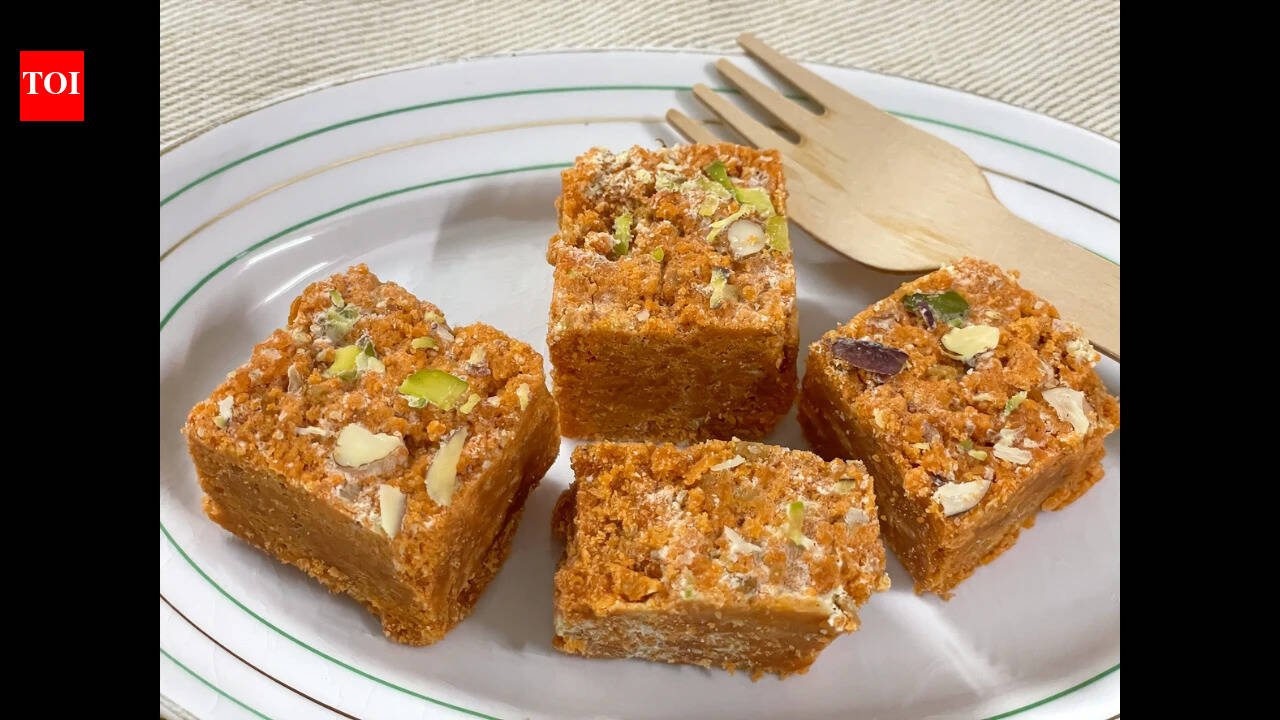
For generations, devotees visiting Gujarat’s Ambaji temple have taken home something sweet after offering their prayers: Mohanthal prasad. Now, the temple’s much-loved offering has received a Geographical Indication (GI) tag, giving its long-standing connection with Ambaji official recognition.The announcement came on the first day of Navratri, making it a special moment for the temple and its devotees. The GI certificate was handed over to the temple trust at a ceremony in Ambaji town on Sunday.Mohanthal is made with gram flour, ghee and sugar. It’s a familiar sweet in Gujarati homes, but the version offered at Ambaji temple has a significance of its own. For devotees, receiving the prasad is part of the visit, and many carry it home to share with their families.What Does the GI Tag Mean for Ambaji’s Mohanthal?Simply put, a GI tag recognises a product that’s closely linked to a particular place. It also gives its name legal protection.In this case, the tag recognises Mohanthal’s association with Ambaji temple and the tradition of offering it to the goddess. It’s a way of protecting that identity rather than letting the name lose its connection with the place it comes from.Banaskantha Collector Mihir Patel, who also serves as the managing trustee of the Shri Arasuri Ambaji Mata Devasthan Trust, welcomed the recognition. He said the prasad represents the faith of devotees and a religious tradition that has continued for generations.Unnat Pandit, Controller General of Patents, Designs and Trade Marks and Registrar of Geographical Indications, attended the ceremony, where the certificate was presented to the temple trust.A Sweet Offering With a Long HistoryMohanthal isn’t a new discovery. The sweet has been part of Gujarat’s food traditions for years, and its place at Ambaji temple gives it a deeper meaning for devotees.For many people, prasad isn’t something they simply eat and forget about. It’s something they bring home, share with loved ones and associate with a visit to a place of worship. Mohanthal has become part of that experience for people who visit Ambaji.That’s what makes the GI tag worth noting. The recognition is about more than a recipe. It acknowledges the link between the sweet, the temple and the people who have kept the tradition going.Why the Announcement Comes at a Special TimeAmbaji temple sits in the Aravalli hills in Gujarat’s Banaskantha district and draws devotees throughout the year. Navratri is among its busiest periods, with people arriving to offer prayers and seek blessings.The temple also has a distinctive form of worship. Instead of a conventional idol, devotees worship the sacred Shri Yantra as the principal representation of the goddess.With Navratri celebrations getting underway, the GI recognition has given the temple another reason to mark the occasion.For devotees, Mohanthal will remain the familiar prasad they receive during a visit. But now, the sweet’s identity and its connection with Ambaji have also received formal recognition, helping preserve a tradition that has been part of the temple for generations.
