



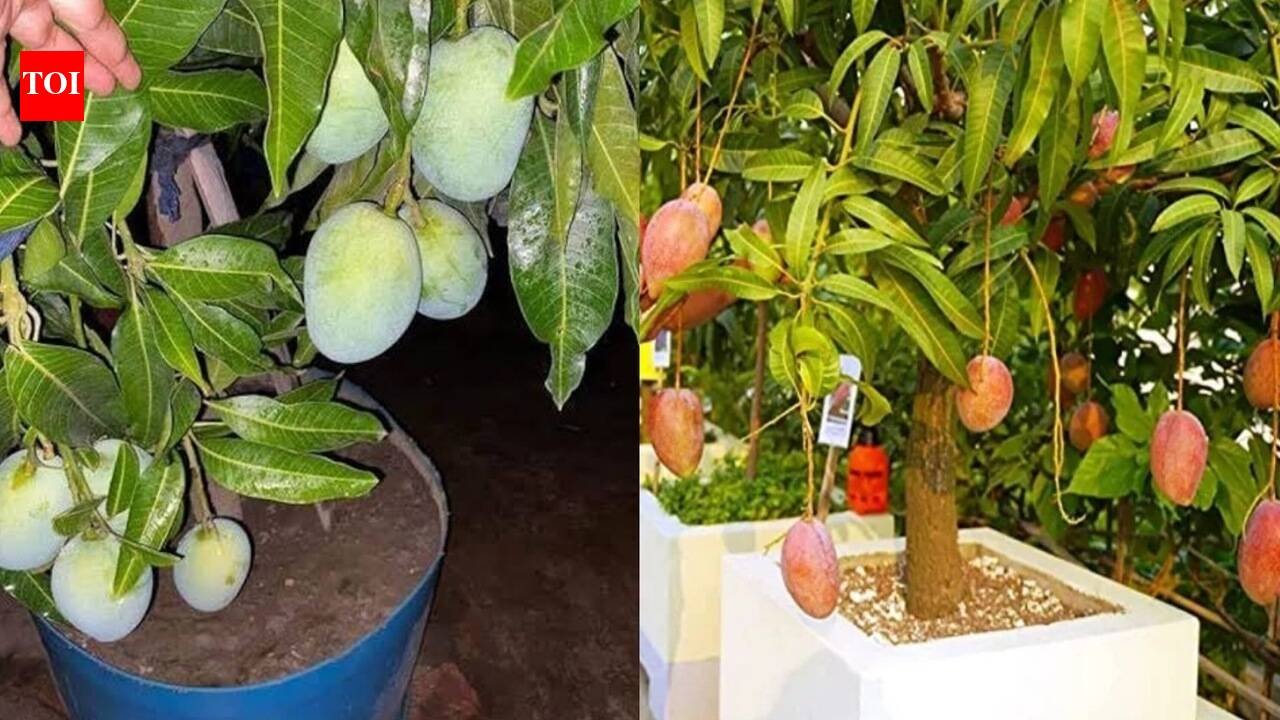
There’s something almost irresistible about the idea of stepping onto your own balcony and plucking a ripe, homegrown mango, especially in a country where the fruit borders on a seasonal obsession. The catch most people run into is timing: a mango tree grown the traditional way, from a seed tossed into a pot after a good meal, can take anywhere from five to eight years to fruit, and even then, there’s no guarantee it’ll produce anything close to the sweet, fibreless mango you started with. The good news is that a genuinely faster path exists, and it comes down to a handful of deliberate choices rather than luck or patience alone. Here are five steps that can meaningfully shorten the wait.
Choose a grafted dwarf variety, never a seed
This single decision matters more than everything else on this list combined. A grafted dwarf mango tree, one where a proven fruiting variety has been joined onto a compact rootstock, can start producing fruit in as little as two to three years, compared to five to eight years, with no guaranteed outcome, for a tree grown from seed. Varieties like Amrapali, specifically bred in India as a dwarf hybrid, along with Neelam, and even a well-pruned Alphonso, are genuinely well suited to container life. Buying a grafted sapling from a nursery rather than starting from a seed is, quite simply, the fastest route to an actual harvest.
Pick the right pot and soil from the start
A mango tree’s roots need real room to establish themselves, and starting in too small a container is one of the more common reasons growth stalls early. A pot at least 18 to 24 inches wide and deep, with a layer of broken pottery or gravel at the base for drainage, gives a young tree the foundation it needs. For the soil itself, a mix of roughly equal parts potting soil and compost with a smaller portion of sand tends to strike the right balance between moisture retention and drainage, since mango roots are particularly prone to rot in soil that stays soggy for too long.
Give it full sun and consistent watering
Mango trees are unapologetically sun-hungry, and a shaded balcony corner will slow fruiting down no matter how good the variety or soil is. A spot that gets several hours of direct sunlight daily is close to essential, and consistent watering through the first couple of years, without letting the roots sit in standing water, helps the tree establish itself quickly. Once flowering begins, watering should ease off somewhat during that specific window, since overly wet soil right before blooming can interfere with fruit set rather than help it along.
Feed and prune with the seasons in mind
A mango tree’s nutritional needs shift depending on what stage of growth it’s in, and getting this wrong is a quiet way to delay fruiting without realising it. During active growth, a balanced fertiliser supports healthy leaf and branch development, but as flowering season approaches, switching to a feed lower in nitrogen and higher in phosphorus and potassium encourages the tree to put its energy into blooms and fruit rather than just more foliage. Regular pruning matters just as much, keeping the tree at a manageable container-friendly size while also encouraging the kind of branching that tends to produce more flowers.Watch for pests and repot as it growsA tree that’s otherwise on track can still lose momentum to a handful of common pests, particularly spider mites, scale, mealybugs, and hoppers, all of which sap the plant’s vigour and can noticeably reduce flowering if left unchecked. Catching these early with organic pest control keeps a young tree’s energy focused on growing rather than recovering. Just as important is repotting into a slightly larger container every year or two as the rootball fills out, since a mango tree left root-bound in an undersized pot for too long will slow down regardless of how well everything else is managed.


