



I have practised medicine for over four decades. The biggest disease, more stubborn than any pathogen I have ever treated, is misinformation, often wrapped in good intentions. It usually arrives not from a villain, but from a loving mother who read something on WhatsApp, a well-meaning neighbour who survived an illness and swears by a remedy, or a health influencer with a beautiful smile but little grasp of biochemistry. The intention is always to help. The outcome is sometimes catastrophic and at the clinical level, this becomes the physician’s responsibility.
The infodemic is not new, but it has never moved this fast
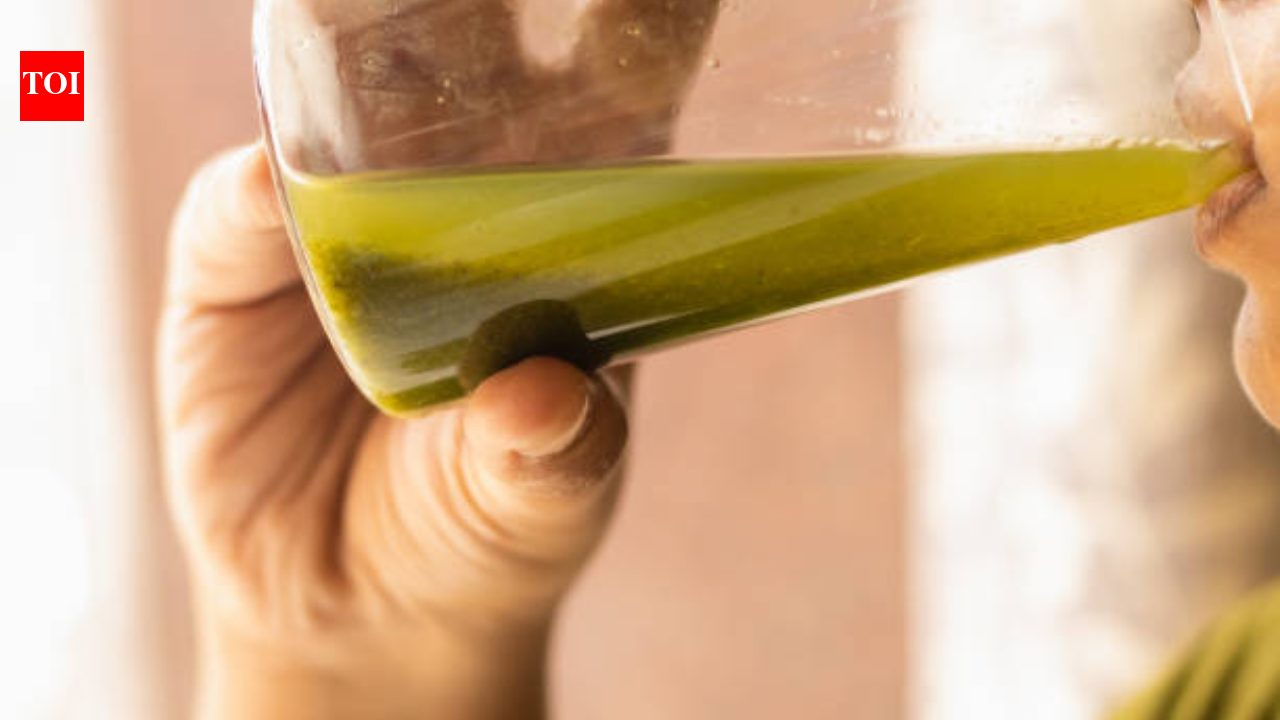
A few years ago, I recall a man who came resigned to death. His family said, “Doctor, please operate immediately. The doctors have said he is in his last days. We have no hope.” Upon examining him, I realised that all he needed was careful medical management. He had been taking an “herbal detox” kit purchased after watching a series of videos promising to cleanse his body of toxins. This led to severe acidity and inflammation, making him extremely uncomfortable. The ingredients were unverified, the claims unregulated, and the harm entirely avoidable, though potentially serious. He was 62, and his wife was distraught.
This is what the World Health Organization calls the infodemic, an overabundance of information, including false or misleading content, spreading rapidly and making it difficult for people to identify trustworthy guidance. On this World Health Day 2026, as we rally around the theme Together for Health. Stand with Science, we must ask: have we, as physicians, done enough to stand in the breach?Here is what I have seen happen to a scientific study in the age of digital media. A journalist chasing a deadline picks up a preliminary finding from a small cohort, perhaps not yet peer-reviewed. The headline reads: “Scientists Say This Kitchen Spice May Cure Diabetes.” By the time serious researchers issue a clarification, the headline has been shared four million times. The clarification gets four hundred clicks, simply not enough. Since when did kitchen anecdotes become clinical research?This is not a media problem alone. We, in medicine, have been too slow, too technical, too reluctant to enter the public square. We speak in dense terminology while our patients absorb information like sponges from Instagram reels. We publish in journals behind paywalls. Senior doctors present at conferences attended by those who already agree with them. And then we are surprised when vaccine hesitancy rises, when families refuse chemotherapy in favour of turmeric paste, or when a man with stage-three hypertension stops his medication because a YouTube video told him salt is not the enemy.
On this World Health Day 2026, as we rally around the theme Together for Health. Stand with Science, we must ask: have we, as physicians, done enough to stand in the breach?
Dr. Ramakanta Panda
Scientific rigour is true protection
There is a peculiar cruelty in the way misinformation is framed. Scientific rigour is positioned as cold and elitist; folk wisdom is presented as warm and rooted. This is a false opposition that costs lives. I have tremendous respect for traditional knowledge, many home remedies do have a scientific basis. However, respect is not the same as exemption from evidence. Every medical intervention I administer, whether drawn from a modern laboratory or an ancient text, must earn its place through honest inquiry.What we must urgently and empathetically communicate, in every language and dialect of this country, is that scientific rigour is not a barrier designed to confuse the public. It is the single most powerful tool we have to protect people from being misled or exploited. A Randomized Controlled Trial does not exist to intimidate; it exists to prevent harm, to ensure that what we recommend is both safe and effective. Cases of supplement-induced liver injury and adverse drug interactions are well documented in clinical literature, often stemming from unregulated products marketed as “natural.”On this World Health Day, I urge my younger colleagues, the brilliant doctors graduating from our many legacy institutions, to see communication as a clinical competency, not an extracurricular skill. Partner with journalists. Write in plain language. Build relationships with communities before a crisis demands it. Practice pre-bunking, getting the truth out before the myth takes root.Governments and institutions must do their part: mandate transparency in research reporting and amplify trusted local voices. In underserved societies, the ASHA worker, the district hospital doctor, and the community pharmacist must all be equipped with accurate, shareable information. We must create systems where verified health information travels as fast as a WhatsApp forward.Good intentions are not enough. The road from a caring heart to a safe outcome must be paved with evidence. The viral health tip that goes wrong is almost always shared by someone who genuinely wanted to help. Our responsibility, as healers, communicators, and citizens is to ensure that good intentions are guided by good science.Because the greatest public health intervention is not a vaccine or a molecule. It is trust, earned slowly, lost quickly, and worth every effort to protect.


